Goto main content

The Nobel Piece. Repairing peace, together.

Join our movement today and take a stand against landmines. ​​​​​​​

Humanity & Inclusion is launching a global campaign: "The Nobel Piece. Repairing peace, together." | © HI

AnchorHumanity & Inclusion, co-winner of the 1997 Nobel Peace Prize for its work to ban landmines, has sent fragments of a reproduction of its Nobel medal to UK Prime Minister. 


This gesture marks the launch of our new global campaign in the UK, The Nobel Piece: Repairing Peace Together.

Anti-personnel mines have re-emerged in conflicts including Syria and Ukraine. The United States delivered mines to Ukraine in late 2024, while several countries bordering Russia have moved away from the Ottawa Treaty (Estonia, Latvia, Lithuania, Finland, Poland and Ukraine) or announced plans to expand mine production. The treaty has helped drive a dramatic reduction in mine casualties and the destruction of more than 55 million stockpiled mines. But decades of progress in stigmatising these indiscriminate weapons could now unravel piece by piece.

In response, Humanity & Inclusion is launching “The Nobel Piece: Repairing peace together”, a global campaign calling on governments around the world and the public to defend the treaty. A reproduction of HI’s 1997 Nobel Peace Prize medal has been fractured, with fragments symbolising countries leaving the treaty being sent to key world leaders, including the UK Prime Minister. 

could supply a vital hygiene kit to a family of five that will last for one month.

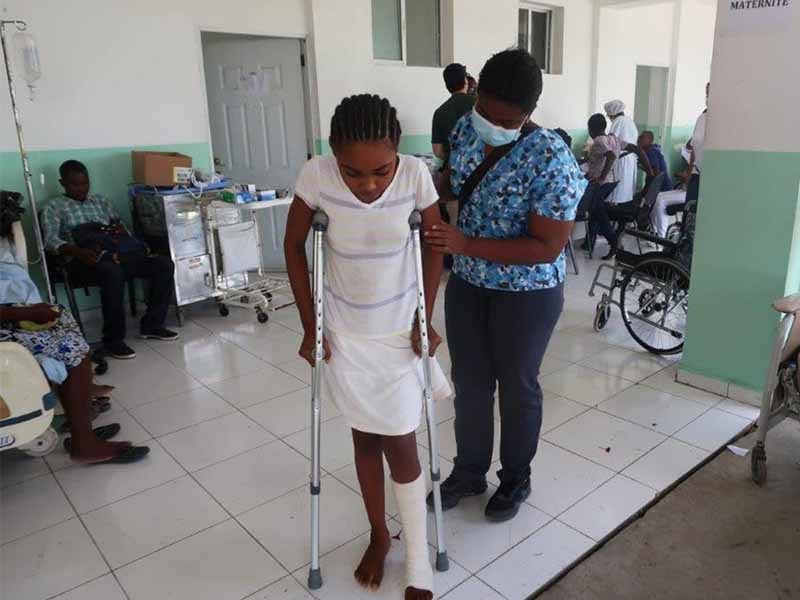
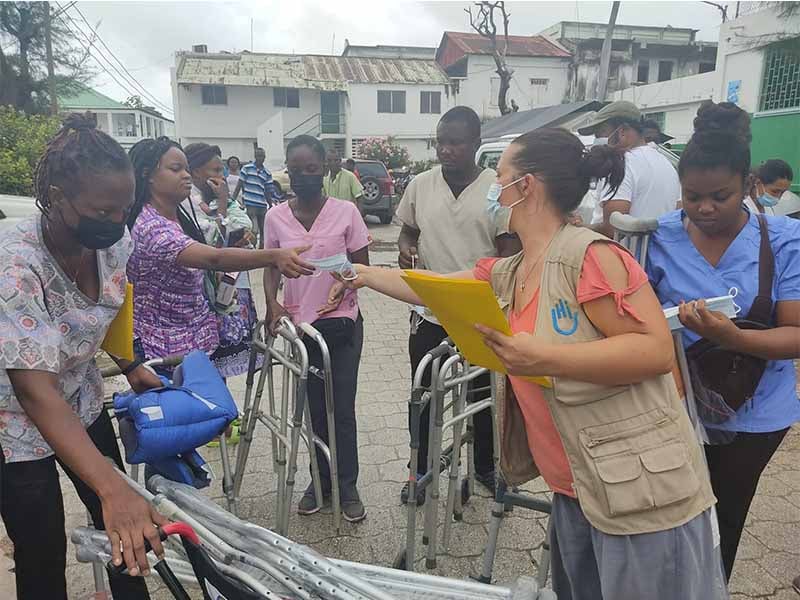
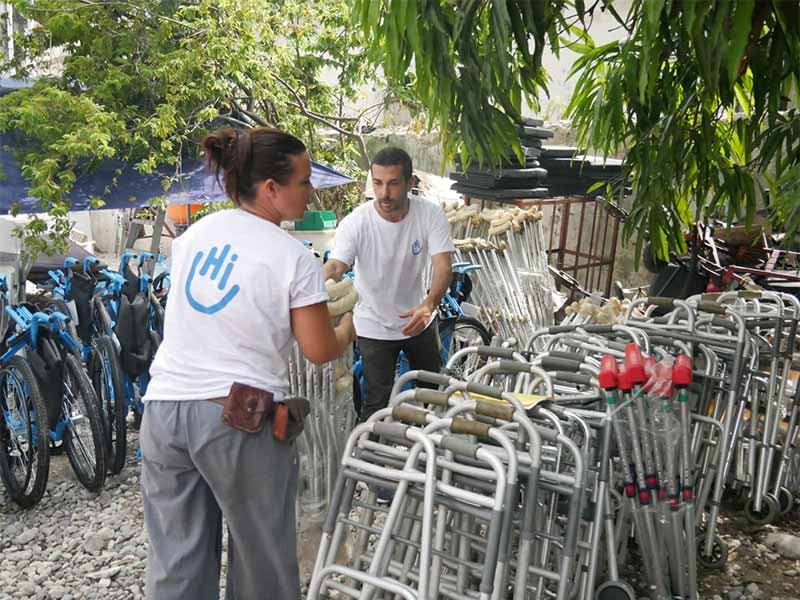
could go towards a pair of crutches and an emergency wheelchair.

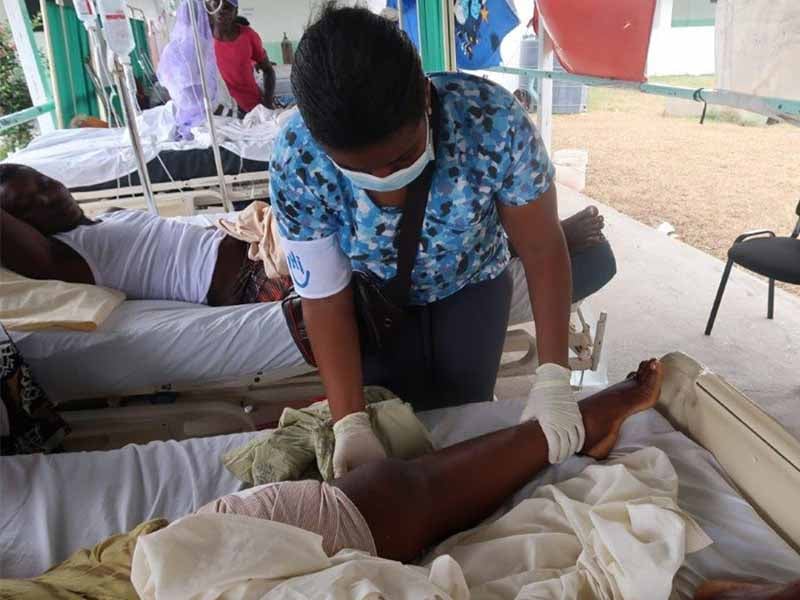
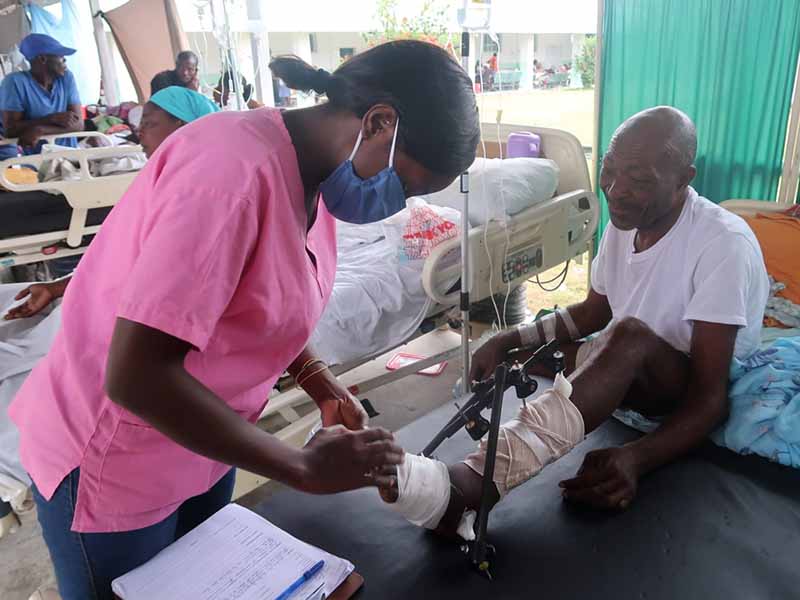
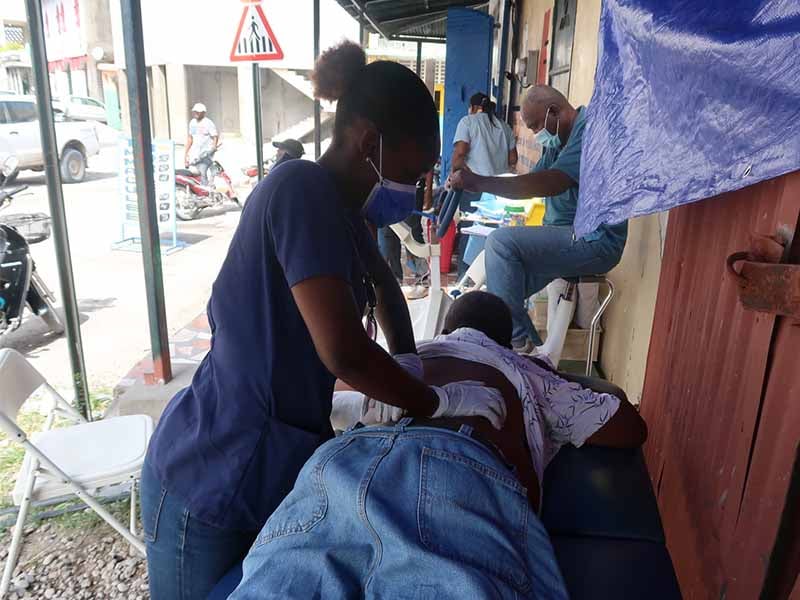
could provide an injured person with 10 sessions of physiotherapy and psychological support.

HI

Through The Nobel Piece campaign, Humanity & Inclusion and the International Campaign to Ban Landmines (ICBL) are calling on governments and the public to defend the Ottawa Treaty and prevent anti-personnel mines from becoming normalised again.

By breaking a reproduction of its Nobel medal and sending fragments to political leaders, including the UK Prime Minister, Humanity & Inclusion is urging governments to uphold their commitment to protecting civilians.

Thirty states called upon to respond 

Around 30 states will be called upon as part of the campaign, with specific and concrete demands:  

1. The five states that have withdrawn from the Treaty  

  • Make a public commitment never to use, produce or transfer anti-personnel mines. 

  • Rejoin the Mine Ban Treaty. 

2. Allied states and strategic partners  

  • Demonstrate renewed and visible leadership. 

  • Use diplomatic, political and multilateral tools to prevent further withdrawals.

  • Intervene proactively to prevent any further use, production or transfer of anti-personnel mines. 

3. Parliamentarians 

  • Exercise oversight to ensure strict compliance with the Convention at the national level. 

  • Highlight the humanitarian impact of anti-personnel mines in debates, resolutions and media interventions. 

  • Engage constituents, including affected communities and young people, through public hearings, events and debates. 

4. Current users of mines  

  • Immediately cease the use of anti-personnel mines, ensure rapid demining and support survivors. Join the Mine Ban Convention without delay. 

This campaign also aims to mobilise public opinion in order to put the issue of landmines and the defence of the Ottawa Treaty on the political agenda. 

HI

Sharaf portrait Sharaf portrait Sharaf portrait Sharaf portrait

“The humanitarian, environmental, and financial costs of anti-personnel landmines far outweigh any temporary military advantage they might offer. They no longer serve as reliable barriers to movement – only as lasting threats to civilians,”

says Gary Toombs, Explosive ordnance disposal expert for Humanity & Inclusion.

Modern technologies can deter, detect, and delay hostile incursions without leaving behind a deadly legacy for civilians.

“No minefield can stop a determined and technologically capable force. They cause disruption, not decisive delay. Mines may complicate a military operation, but they no longer determine its outcome,” Toombs adds.

Nobel Piece Campaign

Join our movement today and take a stand against landmines.

Ways you can donate:

  • By telephone: Call our Supporter Care team on 0330 555 0156 to donate by credit or debit card.
  • By post: Send a cheque payable to "Humanity & Inclusion UK" to: Humanity & Inclusion UK, Romero House, 55 Westminster Bridge Road, London, SE1 7JB.

Thank you

AncreLatest news from our teams

Read more

The Nobel Piece. Repairing peace, together.
© HI

The Nobel Piece. Repairing peace, together.

Humanity & Inclusion, co-winner of the 1997 Nobel Peace Prize for its work to ban landmines, has sent fragments of a reproduction of its Nobel medal to UK Prime Minister. The gesture marks the launch of its new global campaign in the UK, The Nobel Piece: Repairing Peace Together.

HI celebrates 24 years since Nobel Peace Prize
© ICBL

HI celebrates 24 years since Nobel Peace Prize

On 10 December 1997, Humanity & Inclusion was co-awarded the Nobel Peace Prize as a member of the International Campaign to Ban Landmines. Twenty-four years on, the fight to protect civilians continues.

Rubble of destroyed buildings in Hatay, Turkey following the earthquakes on February 06, 2023. © Tom Nicholson / HI

Latest photos from our teams

All photos © HI

FOLLOW US

ABOUT US

Humanity & Inclusion UK
Romero House,
55 Westminster Bridge Road,
London SE1 7JB

UK registered charity no. 1082565

Fundraising Regulator logo Fundraising Regulator logo Fundraising Regulator logo Fundraising Regulator logo

Terms & conditions | Privacy | Cookies

© Humanity & Inclusion UK