

Search results
Filter your results
-
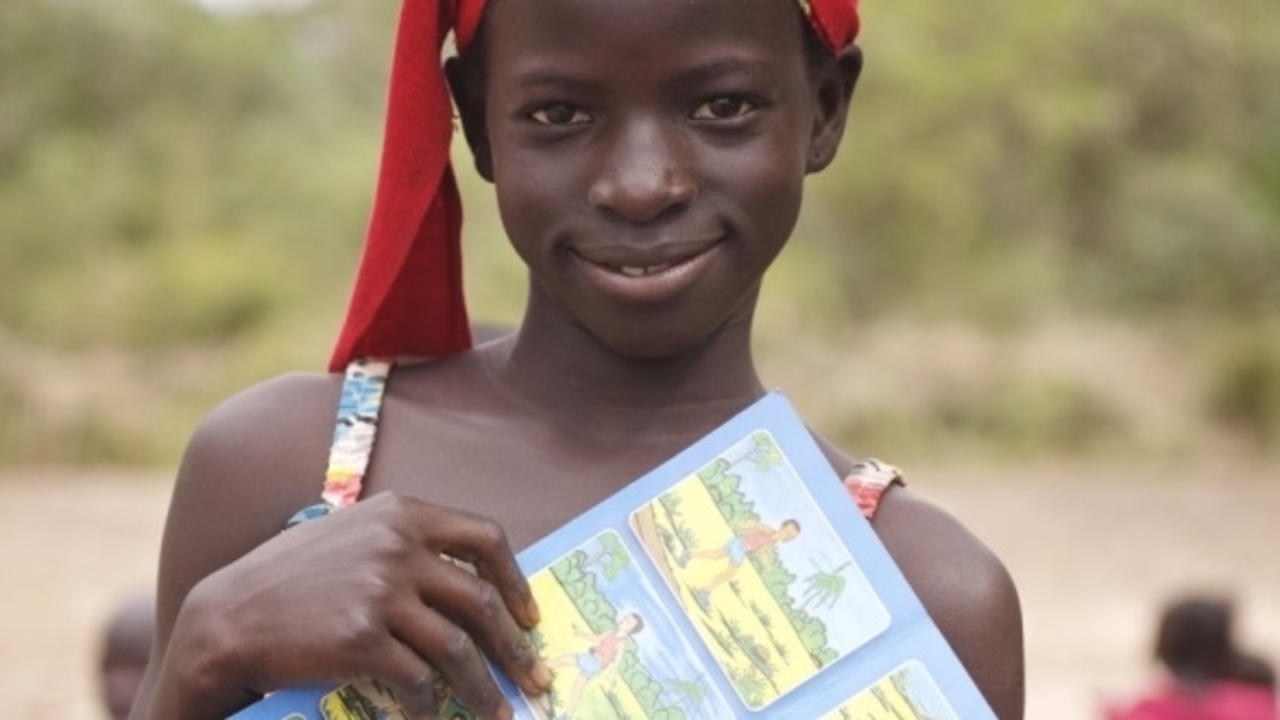
What should you do if you find a mine? 21/03/16
The conflict that devestated the region of Casamance in southern Senegal for thirty years is now over. However, anti-personnel mines still pose a threat to civilians. Alongside its mine clearance operations, Handicap International is also working with its partner, ASVM (the Senegalese Association of Mine Victims), to inform and raise people's awareness of the dangers posed by mines. Over an eight-month period, awareness-raising sessions will be held in 60 schools and 65 villages.
- Senegal
-
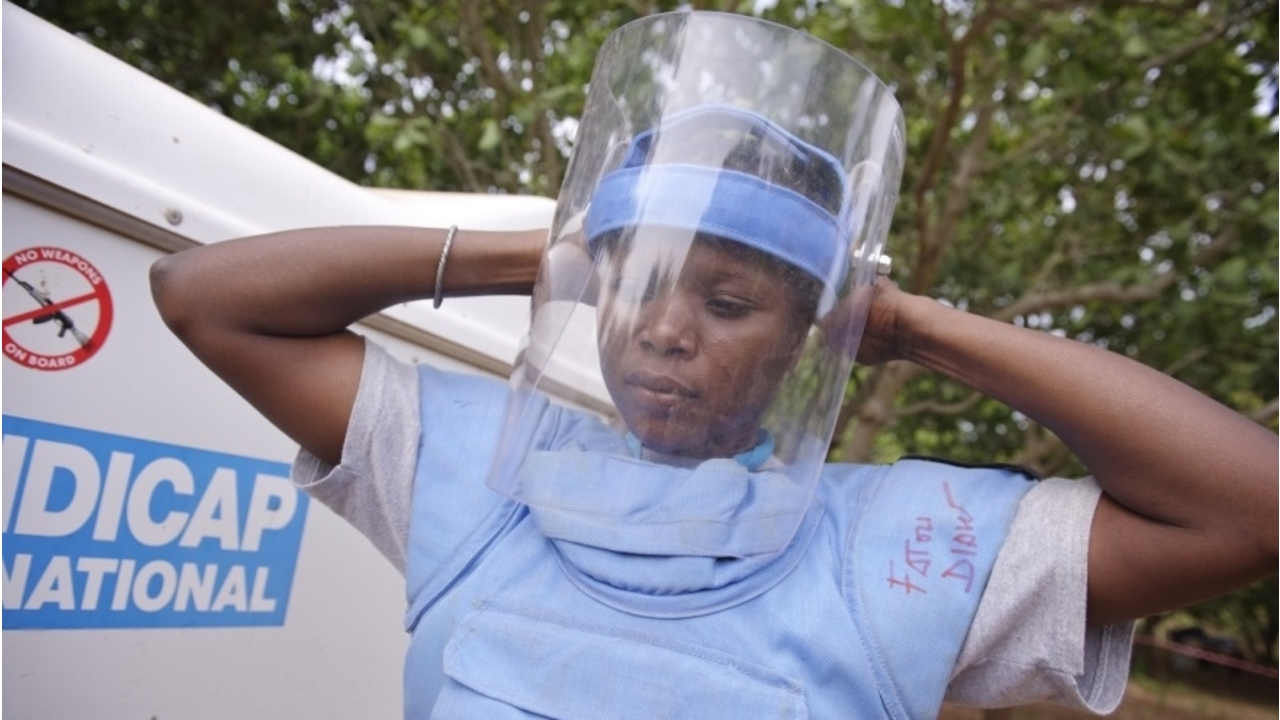
50 mines and counting: a woman clears a path to safety in Senegal 21/03/16
In southern Senegal, landmines pose a clear and present danger. The violence that rocked Casamance for 30 years is now a distant memory, but the mines laid during the fighting, often on the edges of villages, continue to put people’s lives in danger.
- Senegal
-
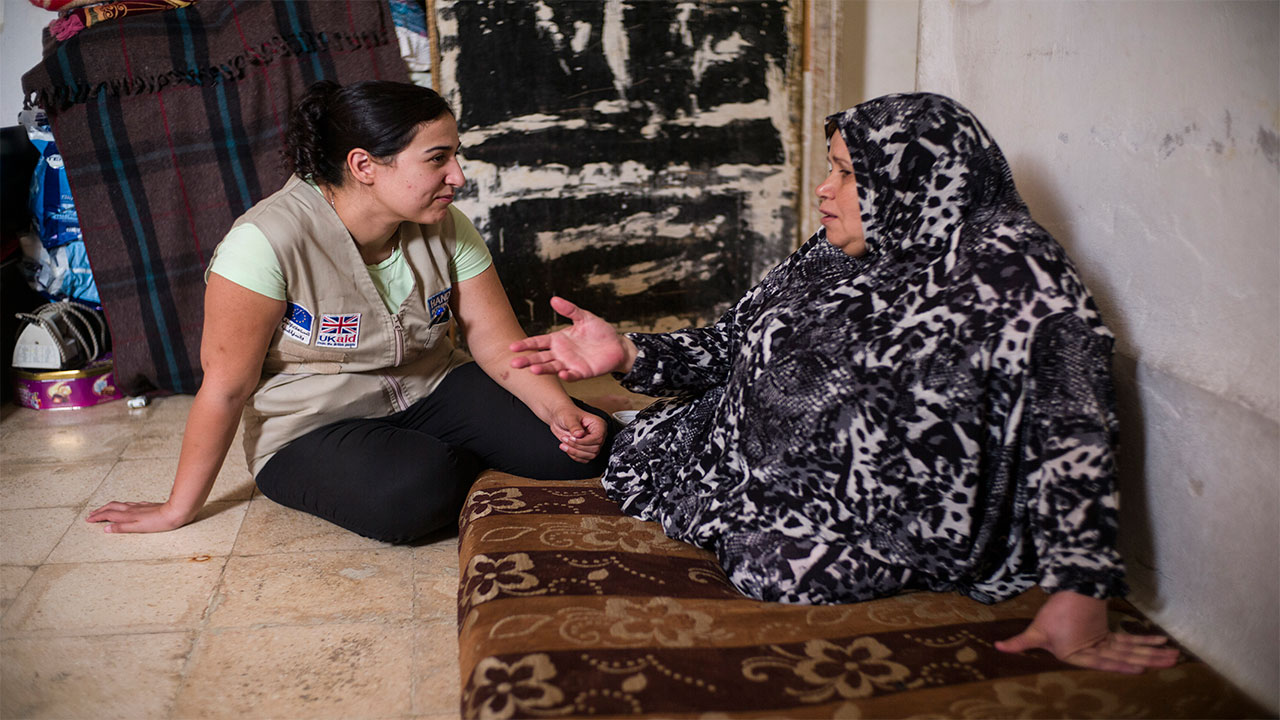
Ala'a Dieri: “These small victories fill me with joy” 14/03/16
Ala’a has been one of Handicap International’s social workers since April 2014. Based in Amman, she identifies the most vulnerable people and helps meet their needs. An industrial engineer by training, she explains why she chose to work with Handicap International.
- Jordan
- Syria
-
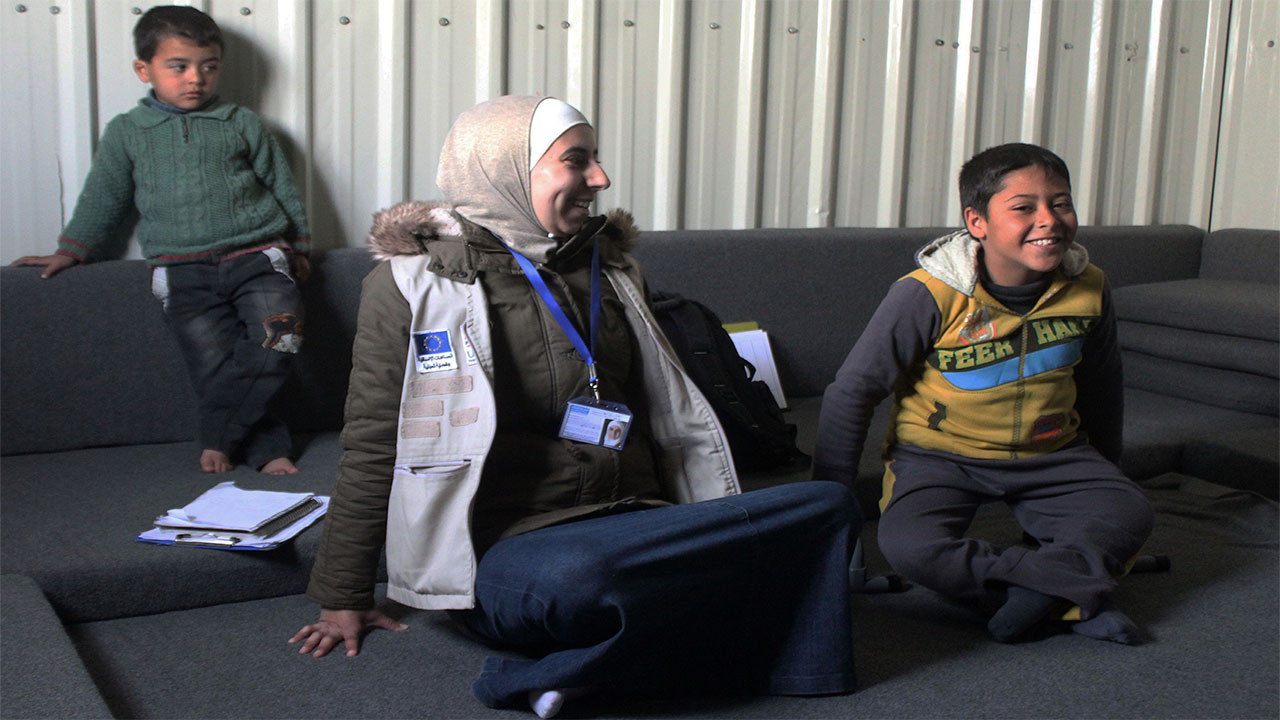
A wheelchair to go back to school 10/03/16
Ahmad is eight years old. He was born with spina bifida, a condition where the spine does not develop properly, and which prevents him from walking. He arrived in the Azraq camp, northern Jordan, with his family in November 2015. To improve his quality of life and his mobility he is being supported by one of Handicap International’s teams*.
- Jordan
- Syria
-
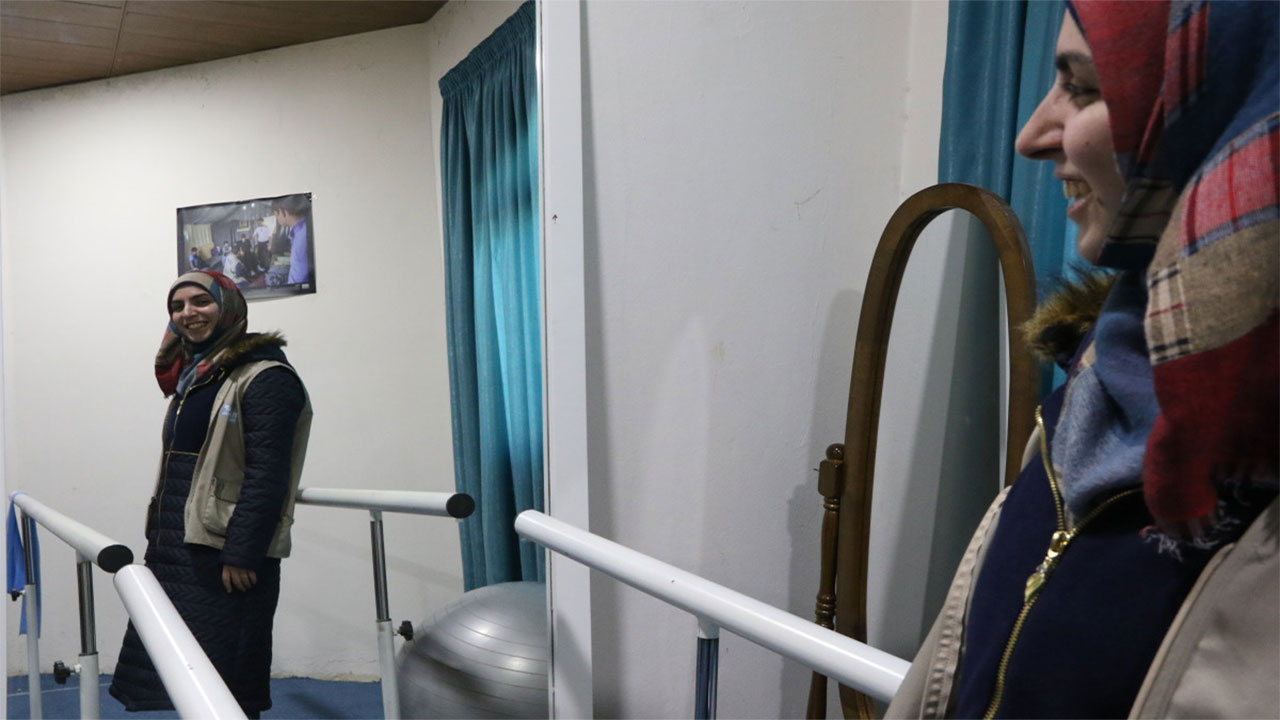
Five years of the Syria crisis: Meet four amazing people supporting injured and disabled people 10/03/16
Handicap International's response to the Syria crisis, which began five years ago, has become the biggest humanitarian response in the organisation's history. More than 600,000 people have been supported by our teams of physiotherapists, orthopaedic technicians, social workers, logistics officers and many others. Here, four of Handicap International's 370 strong team explain what their roles mean to them.
- Syria
-

World leaders in London must deliver transformational new deal for Syrian refugees and host countries 03/03/16
Press release | London, 3rd February 2016, 09:00 GMT.
- Jordan
- Lebanon
- Syria
-

WCPT briefing paper: The role of physical therapists in disaster management 01/03/16
Download (pdf, 2.70 MB)
-
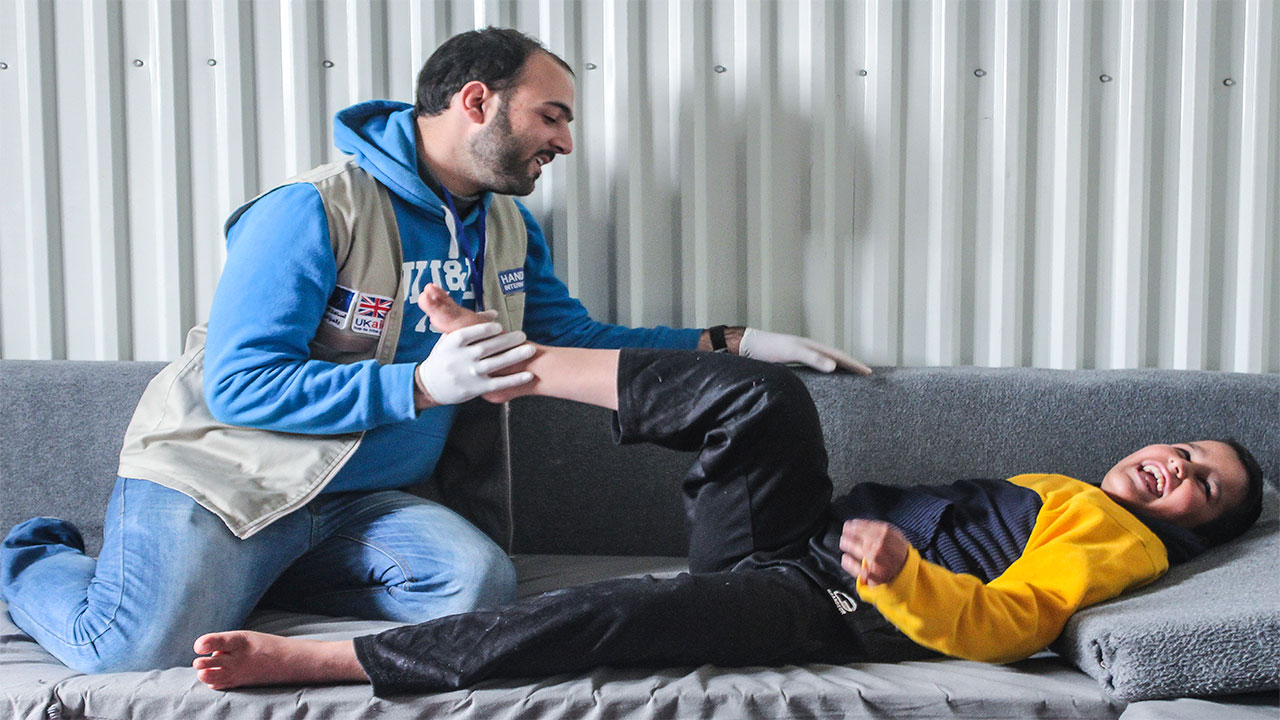
Abdel Rahman: “I’m going to care for people too one day” 29/02/16
Abdel Rahman, 13, has muscular dystrophy. At the end of 2015, he and his family arrived in Azraq camp, Jordan, where he is being supported by a Handicap International team*. Abdel's physiotherapy sessions are helping him adapt to life in the camp.
- Jordan
- Syria
-
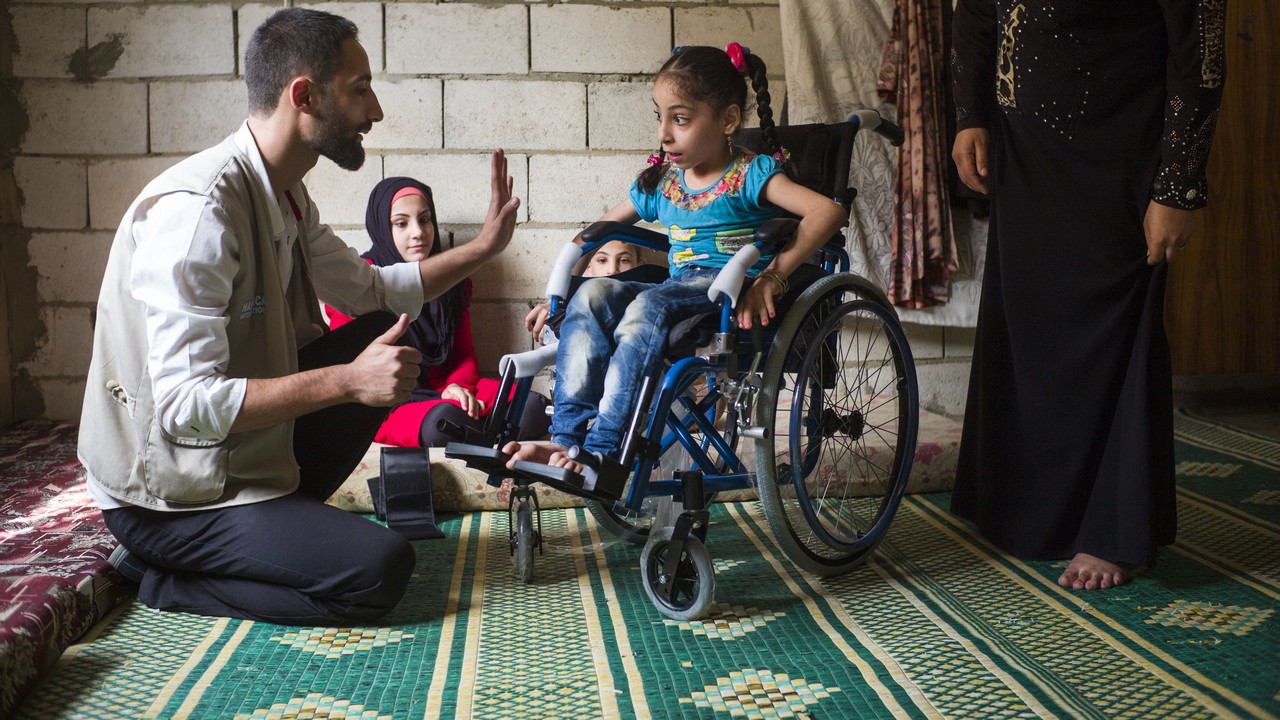
Dalal, 7, goes outside for the first time in a year 28/02/16
Dalal is seven-years-old. Born with cerebral palsy, which affects her speech and mobility, she arrived in Lebanon with her family in March 2012. Today, one of Handicap International’s teams has brought her a wheelchair so she can move around more easily. With help from Handicap International* and her family, Dalal was able to leave her family’s apartment for the first time in eighteen months.
- Lebanon
- Syria
-
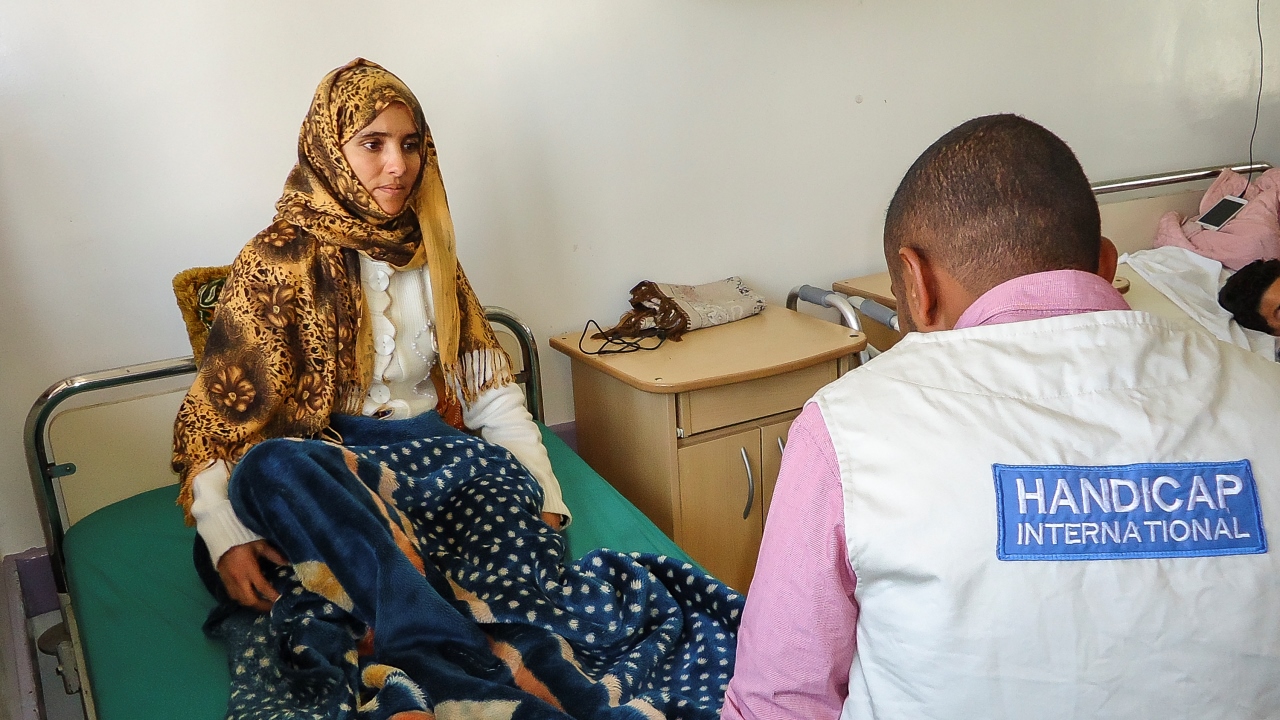
Bushra: “I want to walk again and get my life back to normal” 24/02/16
Injured in an air strike, Bushra receives help from Handicap International’s team in one of several hospitals in Yemen where we provide support to victims of the conflict.
-
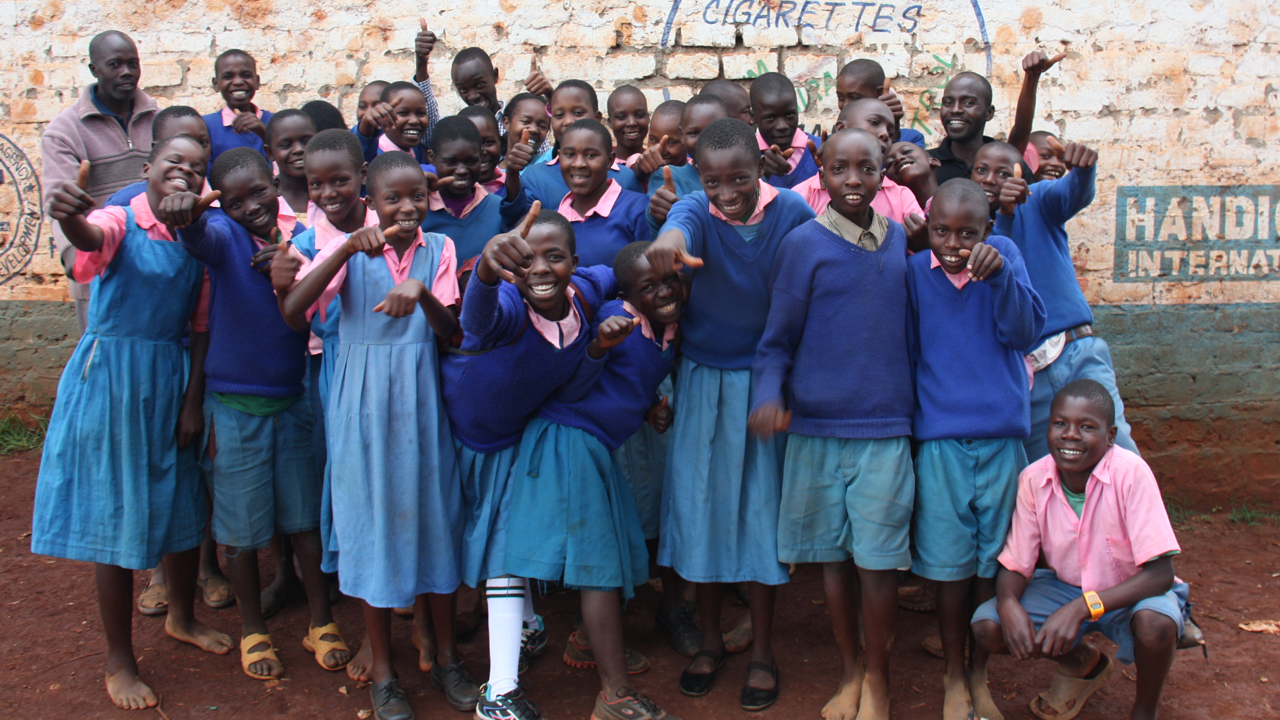
Preventing sexual violence against children 24/02/16
The Ubuntu Care1 project combats sexual violence against children, particularly children with disabilities, in Kenya, Burundi and Rwanda. Launched in November 2012, it has already provided care and treatment to 600 child victims of sexual violence. Regional coordinator Sofia Hedjam describes the programme and its achievements.
- Burundi
- Rwanda
- Kenya
-
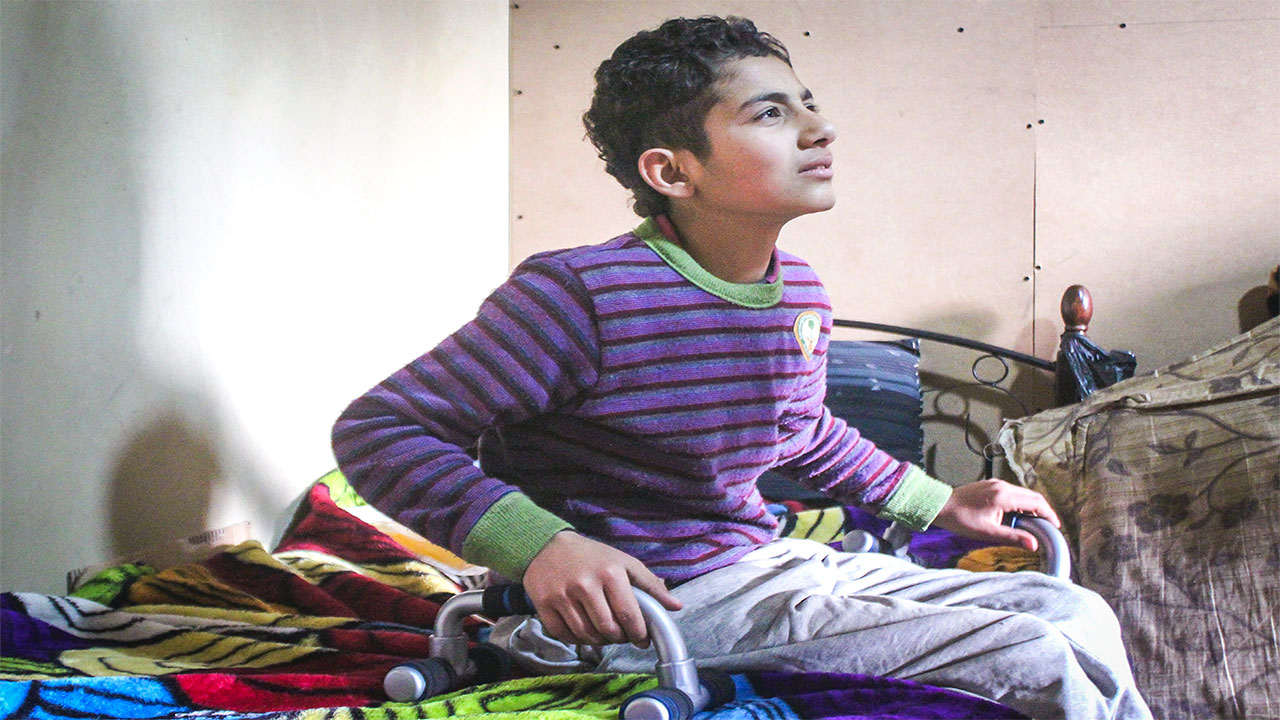
Abdallah: “I’d like to go out and see my brothers again” 24/02/16
Abdallah, 11, was injured in a bombing raid in Syria. He is now paraplegic and lives with his mother, brothers and sisters in a shelter for refugees in Lebanon. Since he arrived in the Beqaa Valley in September 2015, he has been supported by a Handicap International team* who are helping him to gradually recover and meet the new challenges he is facing.
- Lebanon
- Syria
-
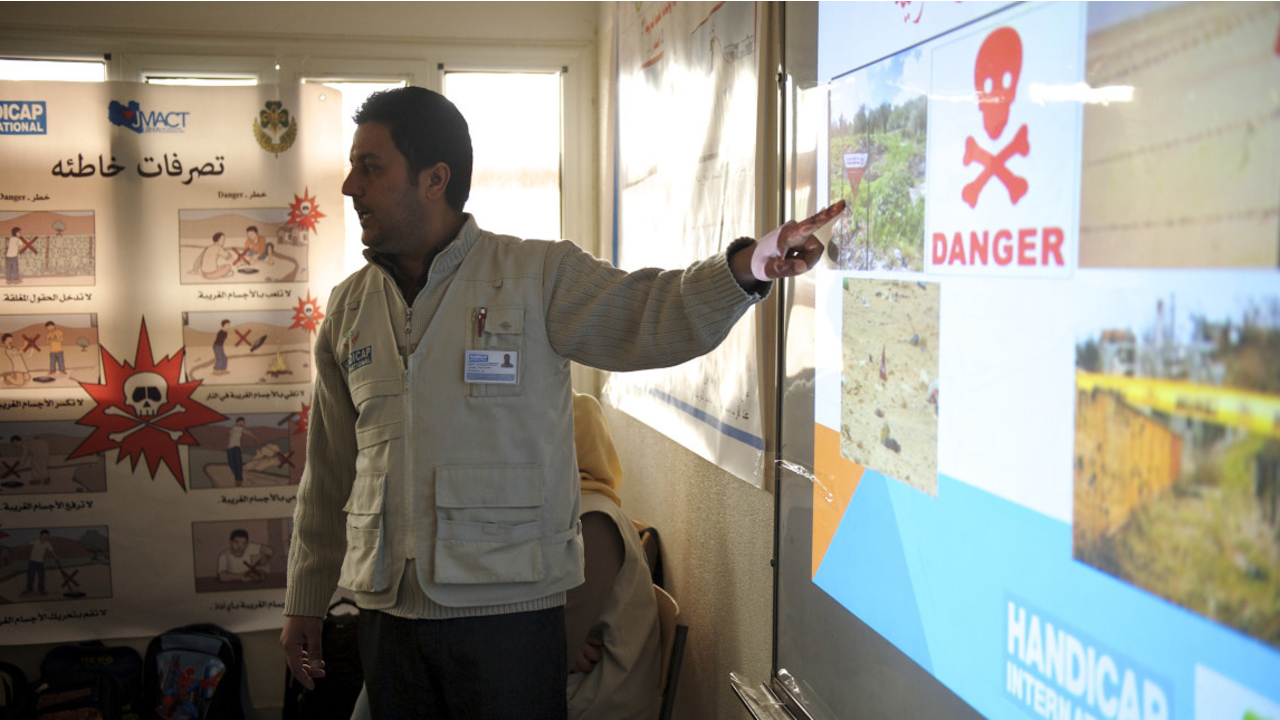
Weapons: a daily threat to people’s lives 18/02/16
The fall of Muammar Gaddafi in 2011 and Libya’s descent into chaos has led to a proliferation of arms and an escalation in fighting between militia groups. In response, Handicap International is providing the population with risk education on firearms, mines and explosive remnants of war. Over the last four years, the organisation has educated 120,000 people at greatest risk from these weapons, most of them children.
- Libya (no longer active)
-
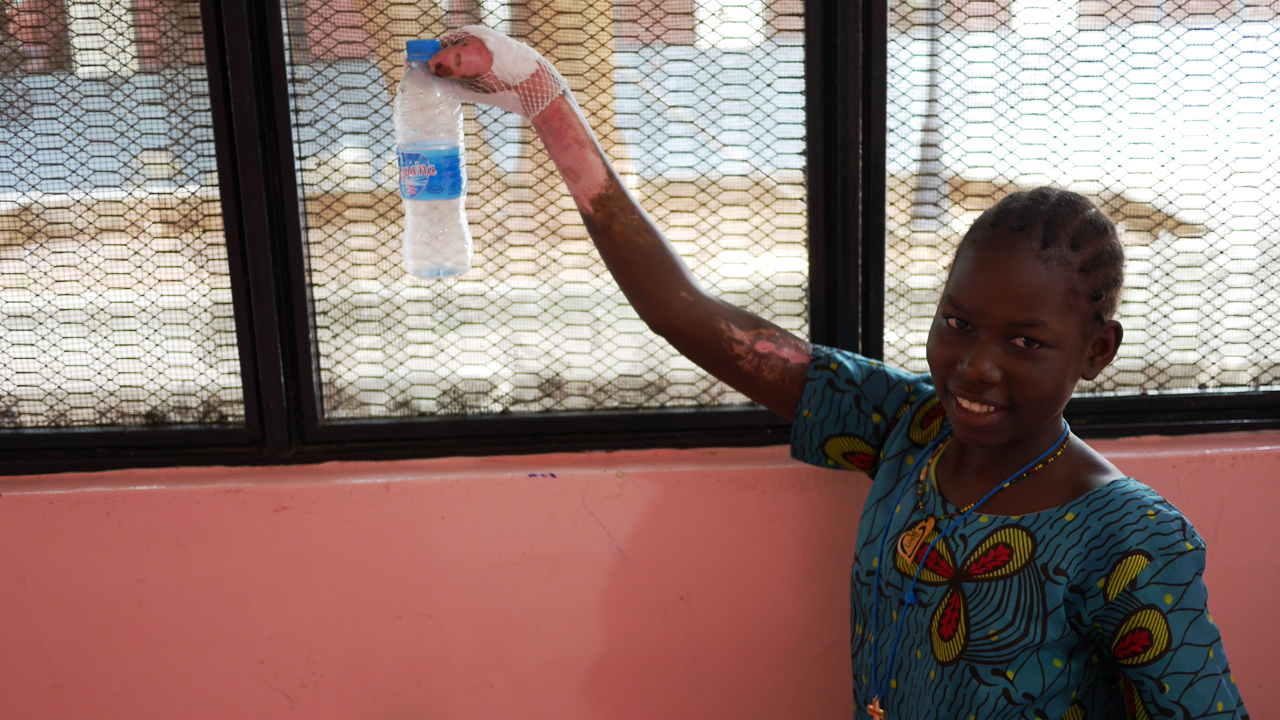
Providing healthcare in a country at war 16/02/16
South Sudan’s brutal two-year civil war is forcing an increasing number of civilians, who are often the victims of violence, to flee their homes. Over two million people have been internally displaced or taken refuge in a neighbouring country since the start of the conflict. Present in South Sudan since 2006, Handicap International is providing humanitarian response to people caught up in the fighting, particularly in the field of health.
- South Sudan
-
Air strike destroys MSF hospital in northern Syria 15/02/16
A hospital supported by humanitarian organisation Médecins sans Frontières (MSF) in Marat al-Numan, 280 kilometres to the north of Damascus, was destroyed in an air strike on Monday 15th February. Seven people were killed in the attack and dozens injured.
- Syria