

Mohammed, 12 years old, is drawing during a psychological support session in the HI partner institution in Idlib. | © HI
Mohammed, 12 years old, is drawing during a psychological support session in the HI partner institution in Idlib. | © HI
When asked how he is doing, Mohammed, 12, replies with a smile, "Tamam, tamam", "I'm fine, I'm fine". The wound on his head has healed and he still has six rehabilitation sessions to go before his broken leg is completely healed.
"I can already play football with my friends despite my crutches, but now I want to learn to swim," he promises.
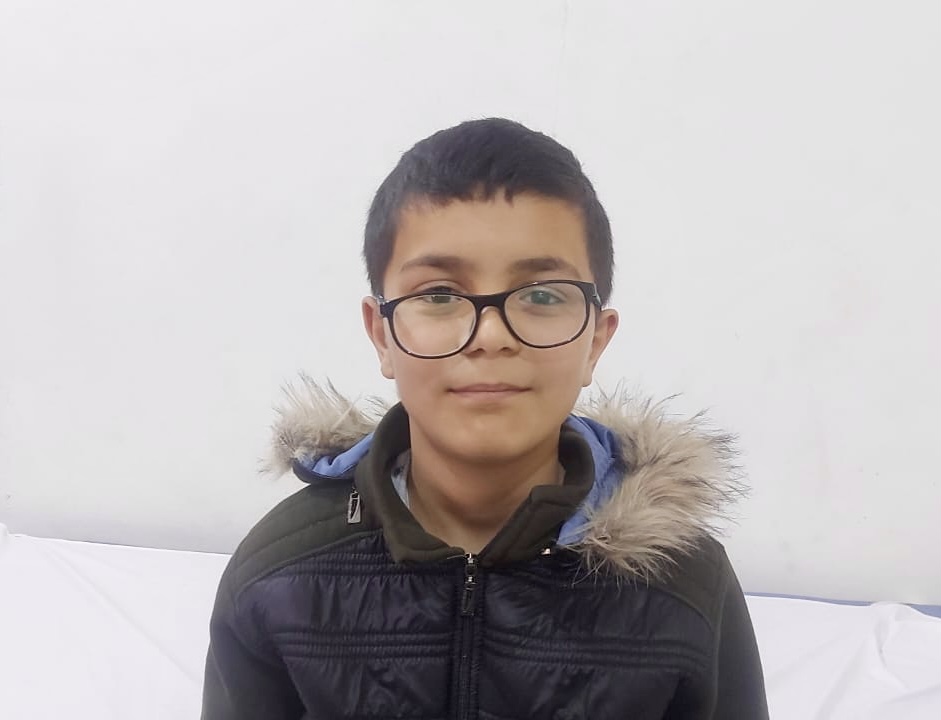
Mohammed is the eldest of three children, all of whom were unharmed during the February earthquake. They were able to escape before the flat they were living in collapsed violently. Mohammed and his family since found another flat to move into and Mohammed has been able to return to school:
"I love studying, my favourite subjects are geography and history"
Some wounds are less visible. However, the traumas are deeply rooted in the minds of these children.
"I can't fall asleep at night because I have nightmares, I can still hear the sounds of the earthquake, and I'm really scared," says Mohammed.
Sleep disorders are among the recurring symptoms of these little earthquake survivors, explains Ammad, one of the psychologists at HI’s partner hospital:
"These children are plagued by repeated flashbacks and recurring nightmares, which prevent them from sleeping peacefully"
"Baba, Baba", "Daddy, Daddy", little Hosain repeats. He was visiting his aunt with his mother and siblings in a small village near Idlib when the earthquake struck. Hosain, 4, was trapped under the rubble for three days; all his relatives who were with him that day died. Doctors had to amputate Hosain’s left foot.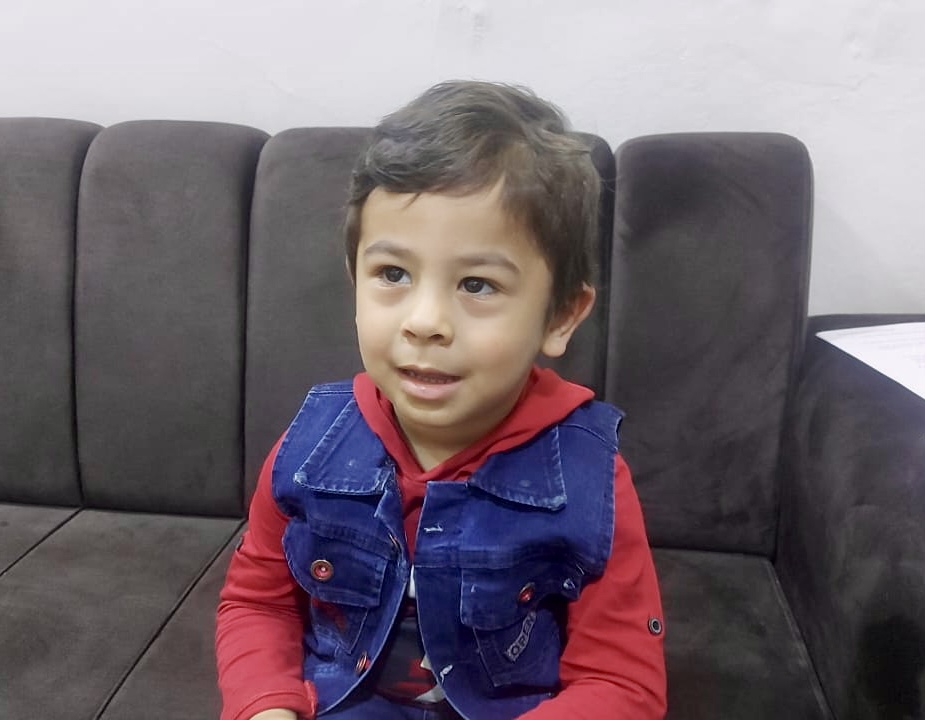
"I was at my aunt's house and then when I woke up, I was with Daddy in the hospital," he explains in his childlike way.
As Hosain runs around, asking for a toy or his mobile phone, his father confides that there is not a day that goes by without Hosain asking for his mum. The child also asks his father if he remembers any moments that they spent together.
"In addition to a deep sense of sadness and fear, these children suffer from mood and concentration problems and a loss of interest in everyday activities," says Ammad, who offers psychological support sessions to Hosain.
After each rehabilitation session at HI partner hospital, the boy meets Ammad, the psychologist:
"I put on soft music and offer to draw or dance, I tell him nice stories and we do various recreational activities"
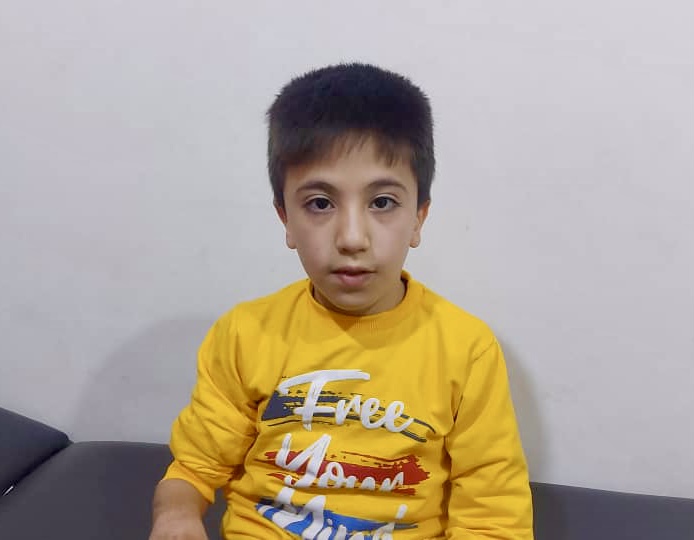 Taim's favourite thing is drawing. His right hand was broken in the earthquake, but fortunately, he can still use his pens and pencils. Taim and his family were staying with relatives in Turkey when the earthquake struck. Taim and his mother - who was seriously injured - now live with their grandmother.
HI's partner teams in charge of mental health and psychosocial support agree that children are especially resilient after tragedy: these children seem to rebuild themselves more quickly than adults and elderly people. But this varies from one child to another and from the environment around them:
"We remain vigilant because children are the most vulnerable and sometimes their feelings are ignored, put aside," concludes Ammad.
Since last February, HI and its partners have provided 9,724 mental health and psychosocial support consultations to survivors of the earthquake in Syria. About ¼ of the patients are children.