

Photo of a refrigerated aid convoy in Bamako, Mali, March 2023. | © T. N'Daou / HI
Photo of a refrigerated aid convoy in Bamako, Mali, March 2023. | © T. N'Daou / HI
Ensuring the safe storage of vaccines, medicines and other health products is a major challenge, fraught with difficulties including a lack of infrastructure, power cuts, difficult access to isolated areas, etc.
Every year, around 50% of vaccines are wasted due to cold chain problems, compromising access to healthcare for millions of people worldwide (source: WHO). To address these issues, Humanity & Inclusion (HI)/Atlas Logistique deploys adapted management solutions to maintain the cold chain and enable NGOs to provide quality care wherever it is needed.
Sensitive medical products must be stored at precise temperatures to remain effective. For example, vaccines, chemotherapies, insulins and neonatal care products need to be kept at between 2°C and 8°C, while other medicines require a controlled temperature of between 15°C and 25°C. If the temperature is too high or too low, these products can lose their effectiveness and fail to work as intended or even become toxic.
“Maintaining a reliable cold chain in a humanitarian context is a real challenge, but it’s necessary in order to guarantee the effectiveness of vaccines and medicines,” explains Jade, cold chain specialist at Atlas Logistique.
The following clear example illustrates this complexity:
“In Ukraine, we distributed chemotherapy for an NGO called Mission Kharkiv, based near the front line. Temperatures had to be strictly controlled, with no room for the slightest variation. One degree of difference and it would all have been lost. It was a difficult and demanding job, but a real success,” says Jade.
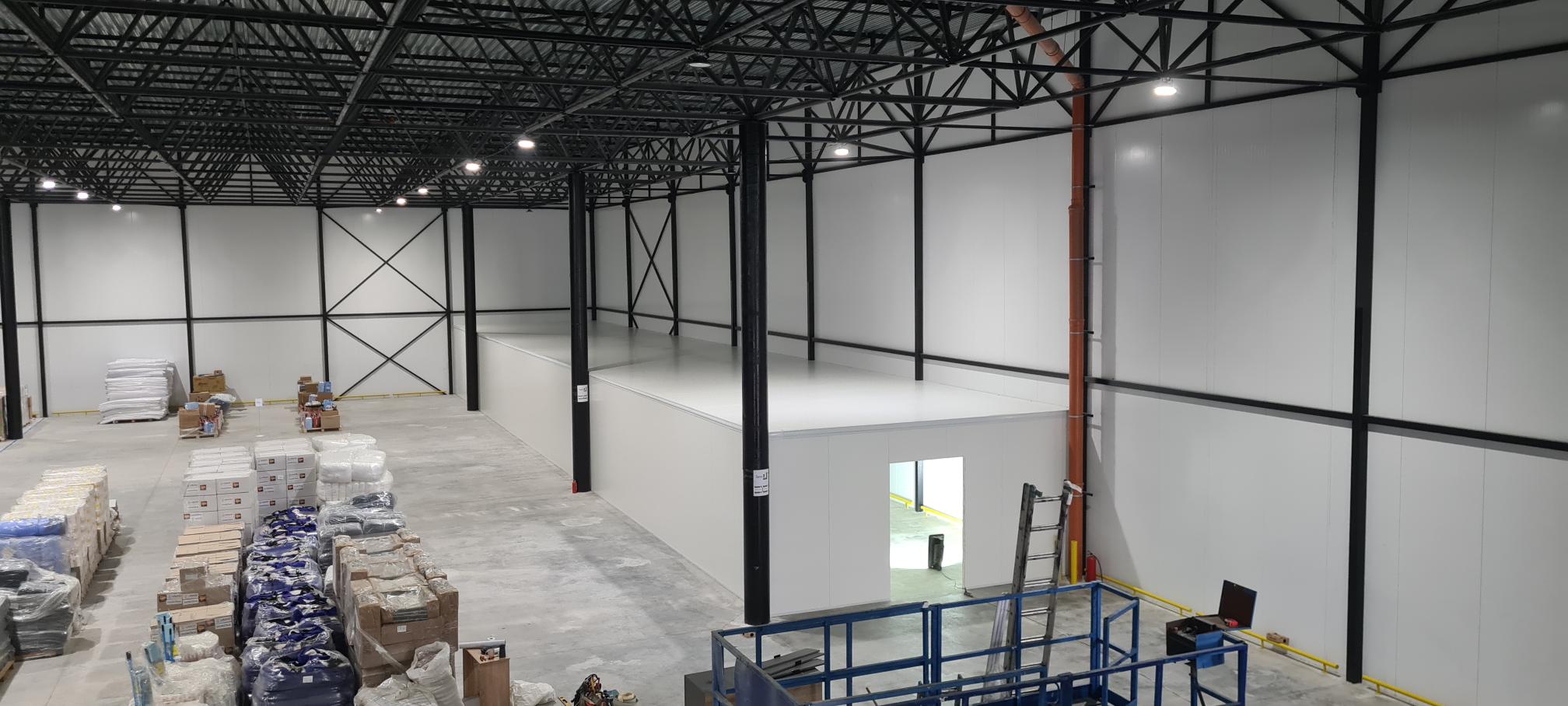
To meet these challenges and enable medical NGOs to guarantee quality care, HI/Atlas Logistique has developed expertise in medical logistics and cold chain management:
Pharmacists play a crucial role in this process. They supervise drug management and ensure that transport and storage standards are scrupulously respected. Their expertise ensures that each product delivered retains its therapeutic effectiveness, a key factor in the success of medical interventions in crisis zones.
Jade explains that contingency plans are put in place to deal with unforeseen events, such as temperature variations or power cuts. Each team member plays a specific role to ensure optimum responsiveness. A connected system enables remote and continuous monitoring and the adjustment of warehouse temperatures. In the event of a problem, an SMS alert is sent immediately.
HI/Atlas Logistique's objective is simple: to save lives by maintaining a reliable cold chain. Through this expertise, it helps to protect vulnerable populations, particularly during health crises or in conflict zones. The improved temperature management of healthcare products avoids unnecessary product wastage, reduces the risks associated with poorly preserved treatments and increases healthcare coverage.
“What makes me proud is knowing that our work helps thousands of people every day. Every time we succeed in maintaining the ideal temperature for a vaccine or medicine, we know that we have helped to save lives,” concludes Jade.
Atlas Logistique is one of Humanity & Inclusion 's technical and operational units, specialising in the delivery of aid in support of humanitarian organisations and the H2H (Humanitarian-to-Humanitarian) system. Since 1991, Atlas has been developing innovative solutions adapted to acute and chronic crises in close collaboration with both public and private humanitarian actors.
Its cold chain expertise, developed over the last 3 years and deployed in five countries, provides solutions for the storage, transport and distribution of medicines and vaccines requiring controlled temperatures, and provides support to humanitarian actors through capacity building.