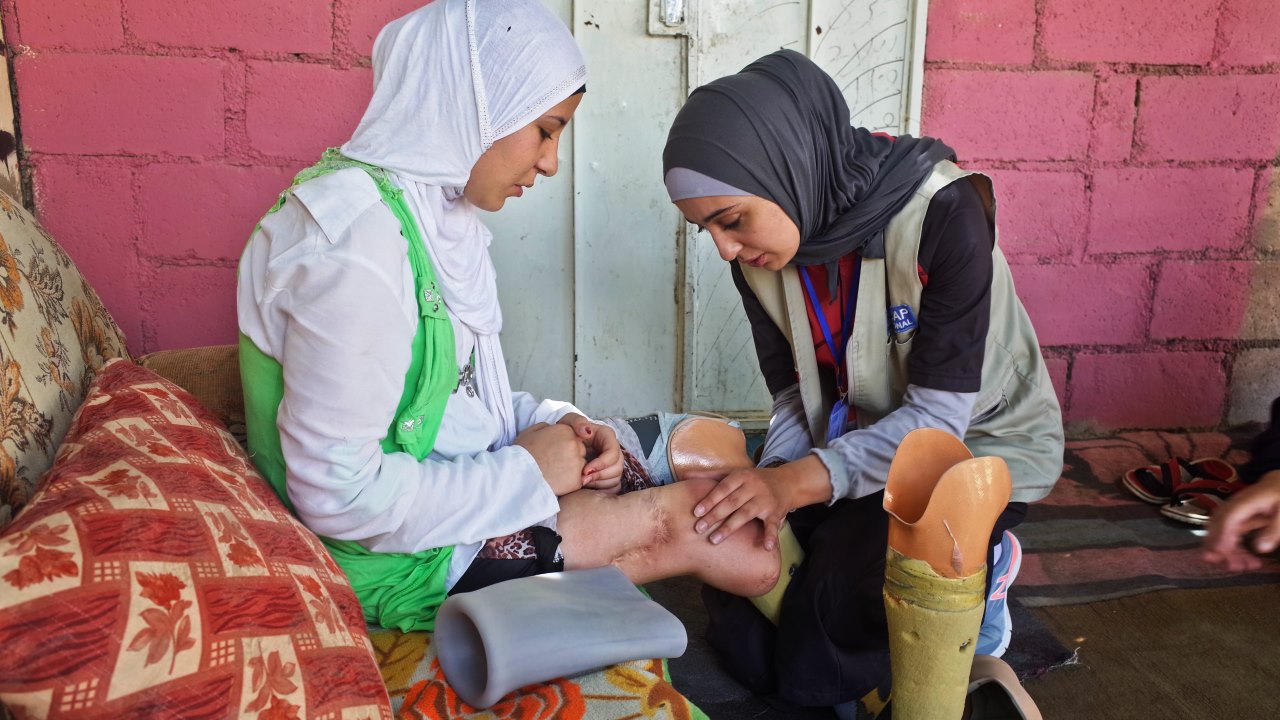
Salam: When I play football, I’m not the girl with two prostheses anymore 16/08/16
Salam is 14 years old. Two years ago, her neighbourhood in Syria came under heavy bombardment. And her life was never the same again. Seeing her enter the courtyard of her family’s house today, it’s difficult to imagine the incredible path taken by this young woman, who has been supported by Handicap International since her arrival in Jordan. The organisation’s assistance to Syrian refugees in Jordan is supported by the European Commission Humanitarian Aid and Civil Protection service (ECHO).
- Jordan
- Syria

Laos: Deminer protects others from her father’s fate 04/08/16
The U.S. dropped more than two million tonnes of bombs on Laos during the Vietnam War. Humanity & Inclusion’s demining teams have been clearing deadly unexploded ordnance (UXO) in the country since 2006. HI deminer Lumngen, also a mother of two, explains what her job involves and what motivates her to do this challenging work.
- Laos
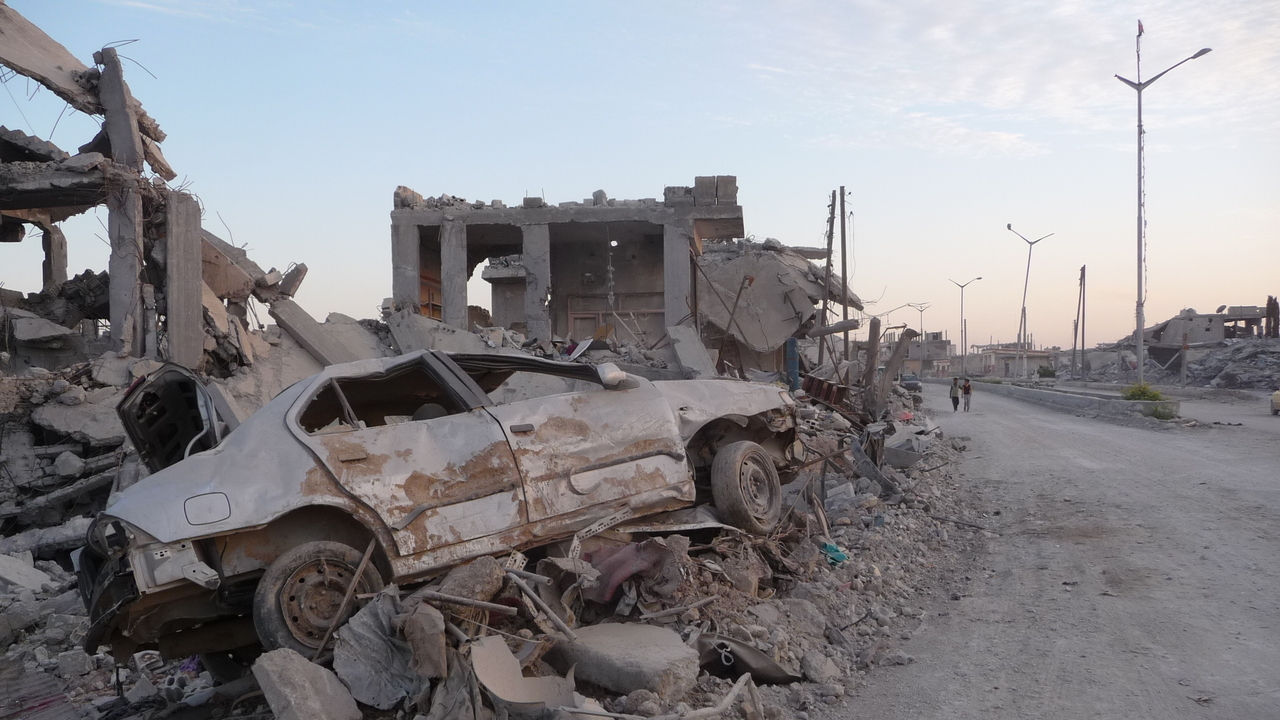
Handicap International condemns repeated use of cluster munitions in Syria 29/07/16
Cluster bombs have been used in at least 47 airstrikes in Syria since 27 May 2016, according to the NGO Human Rights Watch[1]. Dozens of civilians were killed in these offensives. Before the release of these new figures, Human Rights Watch had already published two reports, in February 2016 and December 2015, condemning the use of cluster munitions in Syria.
- Syria
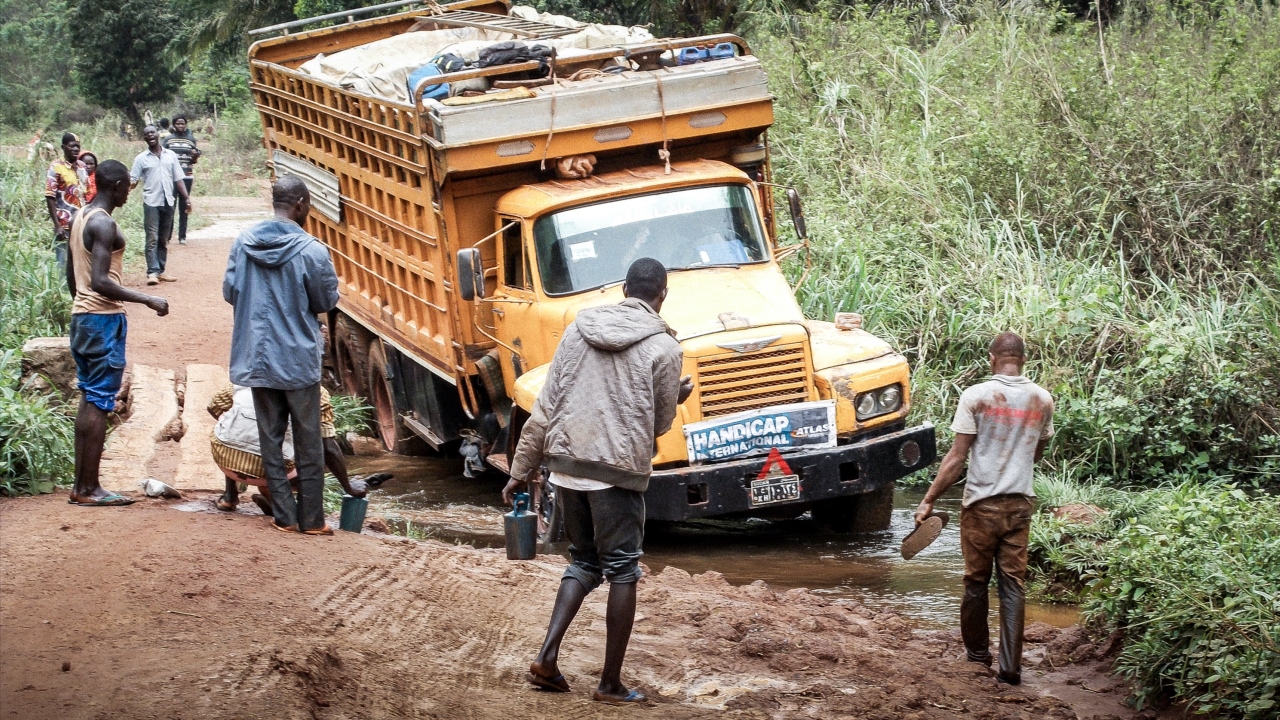
More than 100 lorries transporting humanitarian aid to the most isolated villages in CAR 28/07/16
Since January 2016, Handicap International runs a logistics platform to help humanitarian organisations reach the most vulnerable people in the Central African Republic (CAR). Despite challenging conditions, Handicap International’s lorries continue to deliver humanitarian aid to the most isolated areas of the country. Cyril Chérie, Handicap International’s logistics project manager in Bangui, tells us more.
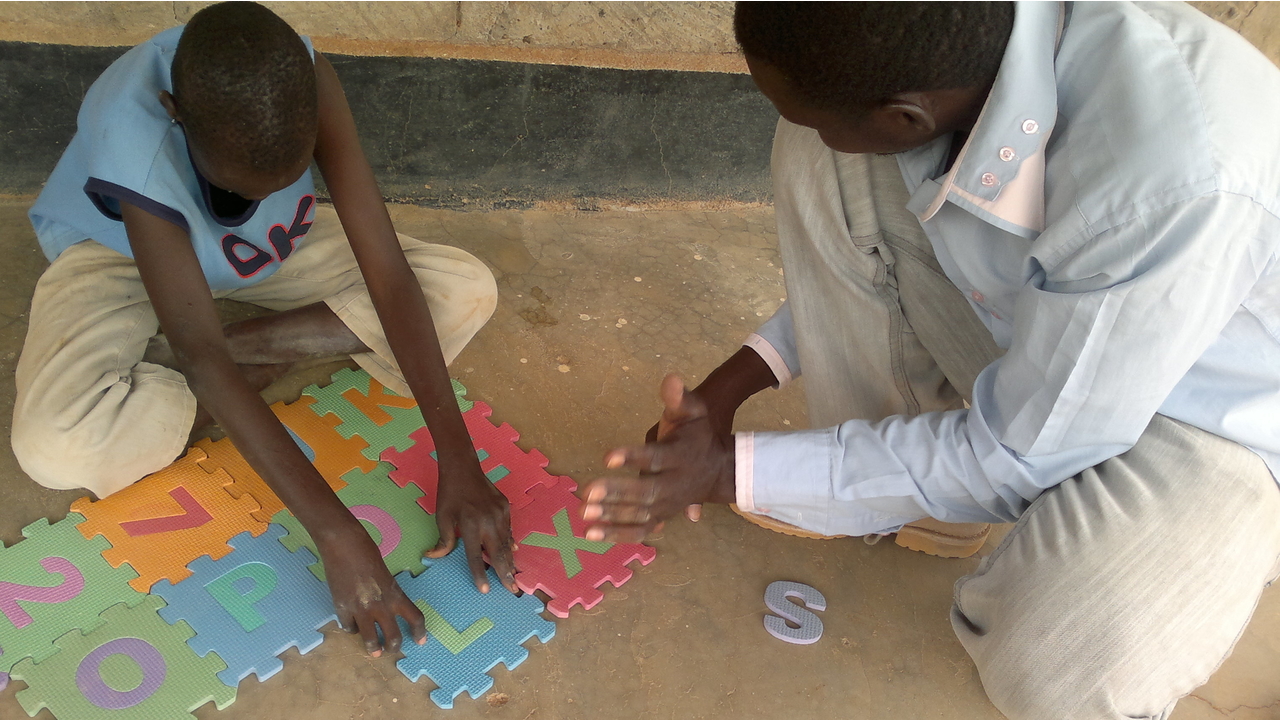
Permanent emergency in Dadaab refugee camp 27/07/16
In July 2011, Handicap International launched emergency operations in eastern Kenya in response to a massive influx of refugees from Somalia. Fleeing drought and famine in the Horn of Africa, hundreds of thousands of people settled in the Dadaab camp. With a population of 450,000 people, it became the world’s largest refugee camp. Still present in the camp, Handicap International provided assistance to 12,000 people in 2015.
- Kenya

Cluster bombs still in use, six years after ban 27/07/16
1st August 2016 is the 6th anniversary of the entry into force of the Oslo Convention which bans the use, production, stockpiling and transfer of cluster munitions. Despite the undeniable success of the Convention, which has now been signed by 119 States, the use of cluster munitions has reached record levels since 2010.
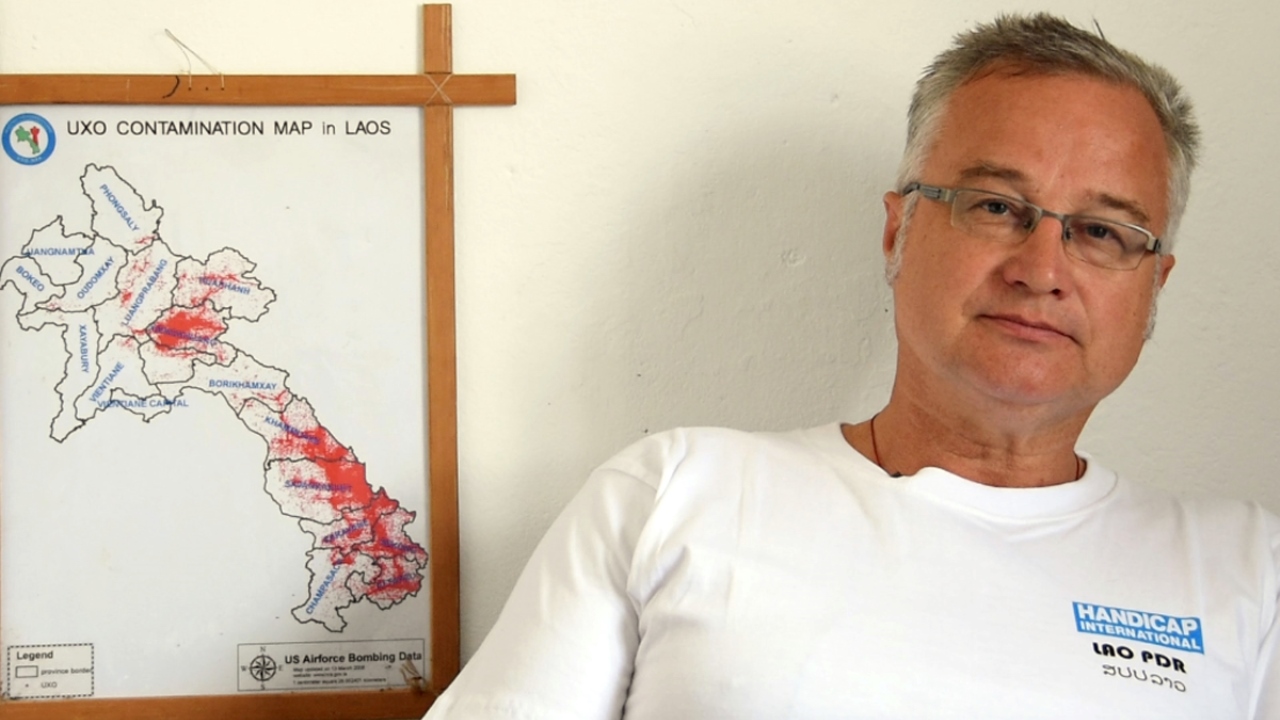
Interview: Handicap International’s commitment to UXO clearance in Laos 26/07/16
Since 2006, Handicap International has cleared more than 25,000 items of unexploded ordnance (UXO) in Laos, the most heavily bombed country per capita on earth. Leonard Kaminski, the New Zealand-born chief of operations for Handicap International’s demining program in Laos, answers questions about Laos' UXO problem and the organisation’s efforts to clear these weapons.
- Laos

Laos: Saving lives and preventing Injuries through risk education 26/07/16
More than 50,000 people in Laos have been killed or injured by explosive remnants of war leftover from the Vietnam War. Millions of bombs still litter the land. Handicap International mine risk education teams educate children and adults about how to protect themselves and reduce the risk of accidents from these deadly weapons.
- Laos
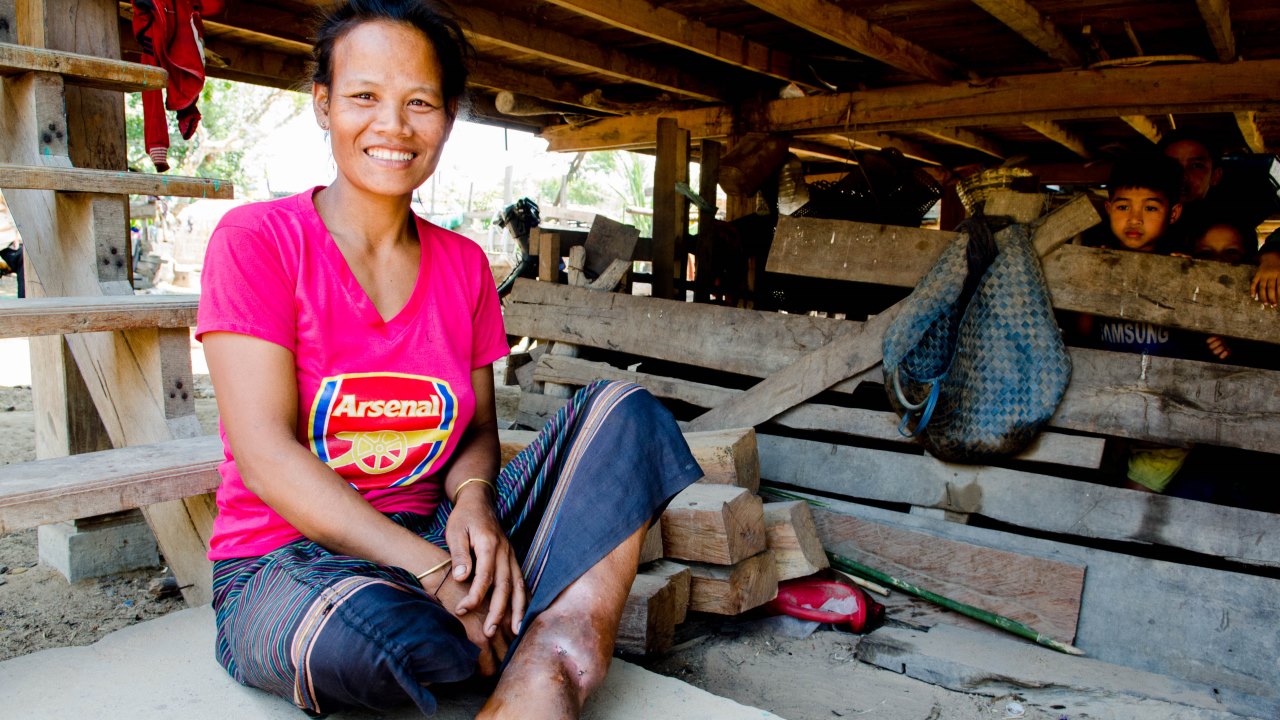
Laos: Empowering bomb survivors with disabilities 26/07/16
Between 1964 and 1973, the U.S. dropped millions of bombs on Laos as part of secret campaign to cut off North Vietnamese supply routes through the country. Today, Laotians like Nang, a mother of five, are still being injured and killed by explosive remnants of war. Handicap International helps victims to regain their economic independence. In 2015, the organisation gave Nang two goats so she could start her own business.
- Laos
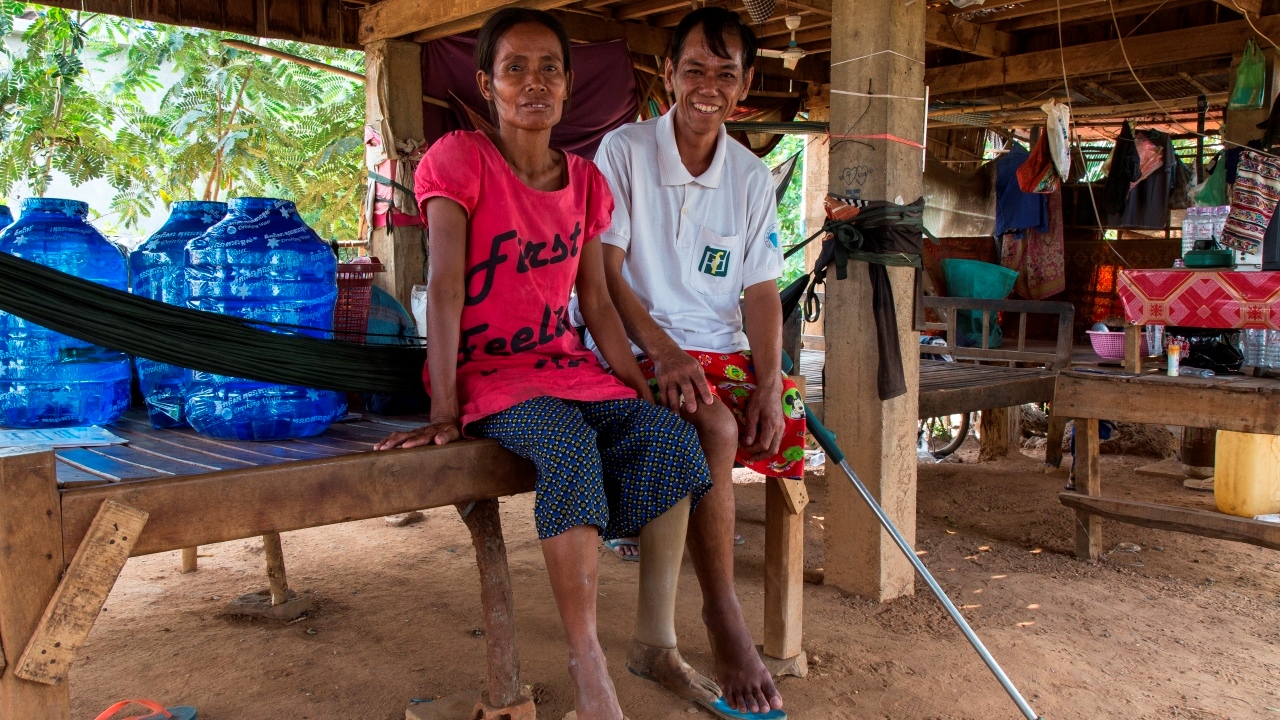
Tragedy ends in love for two Cambodian mine victims 20/07/16
He was born in Kompong Cham province, while she was born in Takeo province, further south. Under normal circumstances, they would probably never have met. But Tirean and Navea were both victims of mines in the 1980s. Now married, they are both supported by Handicap International's rehabilitation centre in Kompong Cham.
- Cambodia
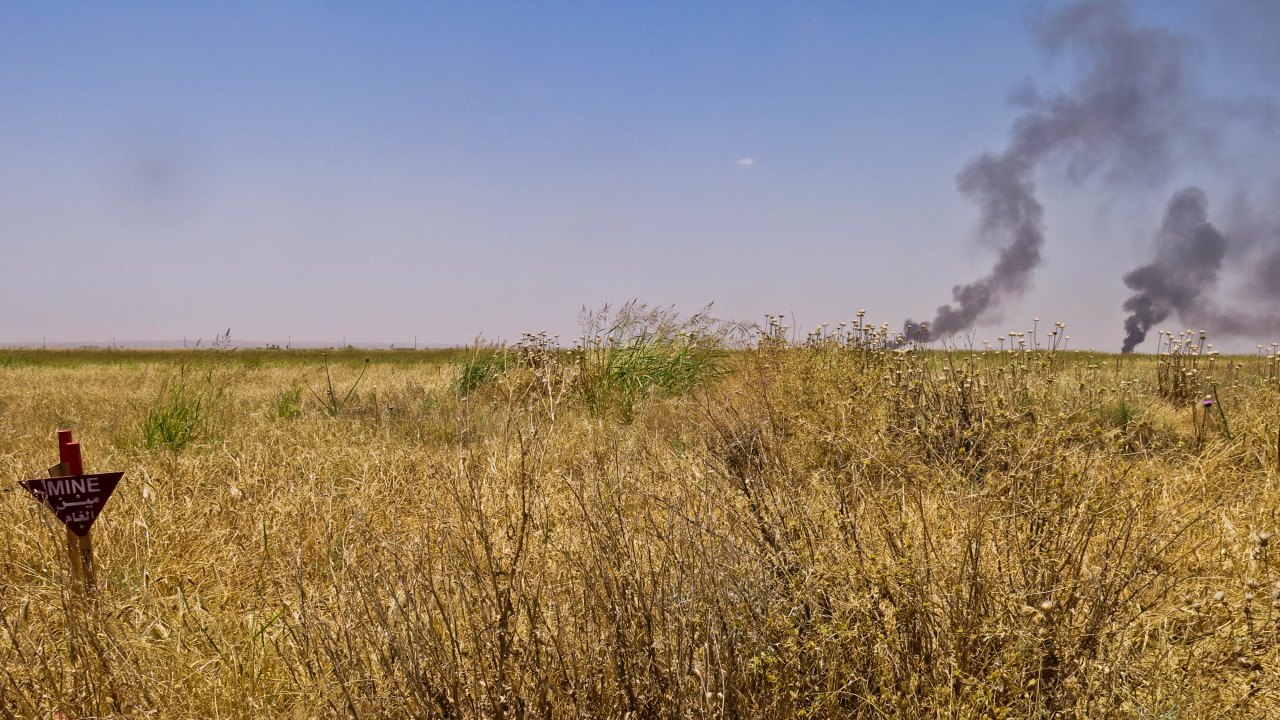
Iraq: Identifying dangerous zones for weapons clearance 19/07/16
In early 2016, Handicap International launched weapons clearance actions in the governorates of Kirkuk and Diyala, in Iraq. After several months of preliminary non-technical surveys and the marking of contaminated areas, clearance operations will soon start in these regions.
- Iraq
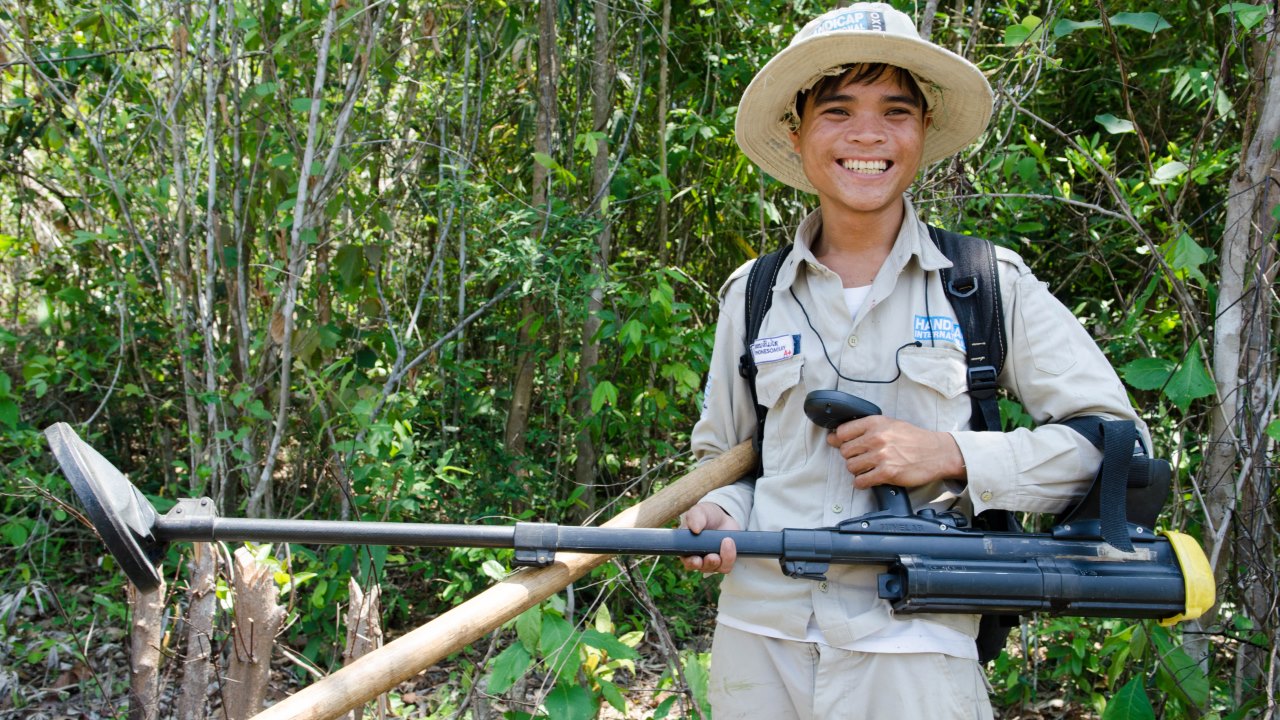
Laos: Cluster bomb victim works to save lives 13/07/16
Two years ago, we met Nouay Phonesomxay, a Lao cluster bomb victim and Handicap International deminer. In May 2016, we caught up with Nouay as he and his team cleared land around Ponntong village, which was located near the former Ho Chi Minh Trail. During the Vietnam War, the North Vietnamese used the Ho Chi Minh Trail to bring supplies through Laos to support troops in Southern Vietnam. This route was heavily bombed by the U.S., and a high level of UXO pollution remains in the area today.
- Laos
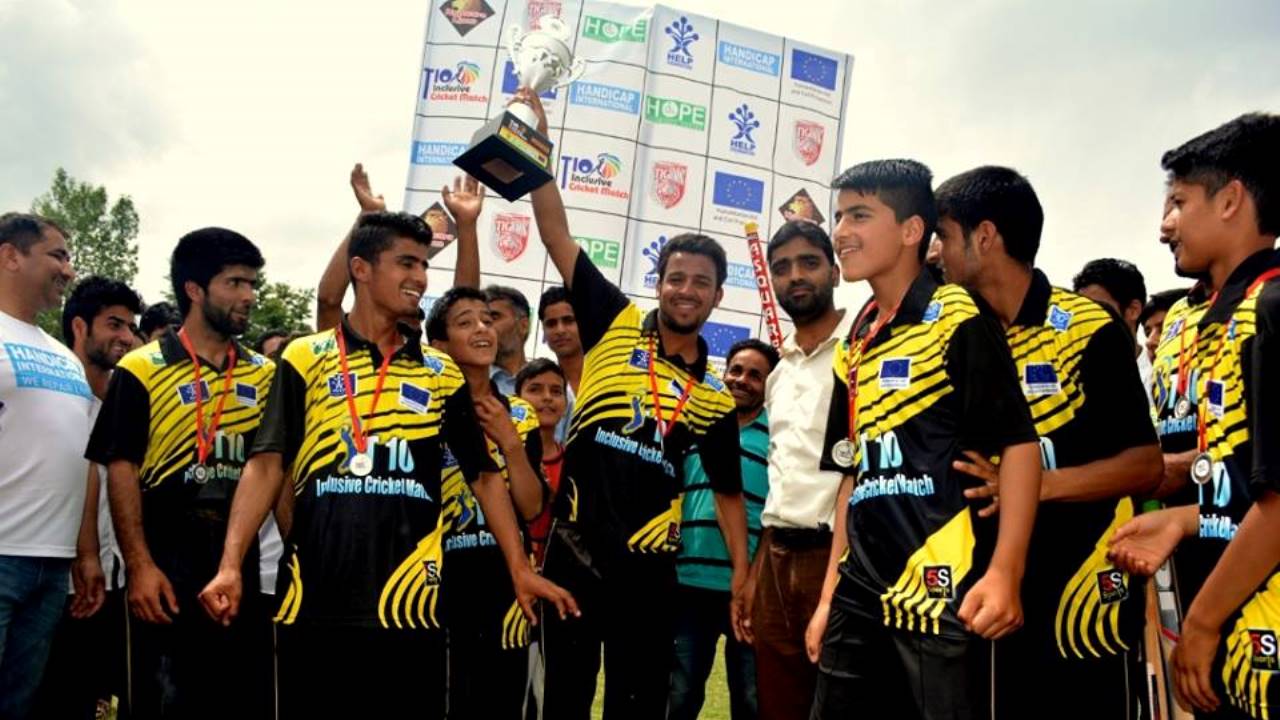
Inclusive cricket match: “For the first time in my life, I forgot I had a disability” 13/07/16
Baramulla Tigers against the Kupwara Tigers. In early June 2016, Handicap International organized the first ever cricket match to include players with and without disabilities at Handwara degree college, in the Indian state of Jammu and Kashmir. A big success and an opportunity to promote the inclusion of young people with disabilities in society.
- India
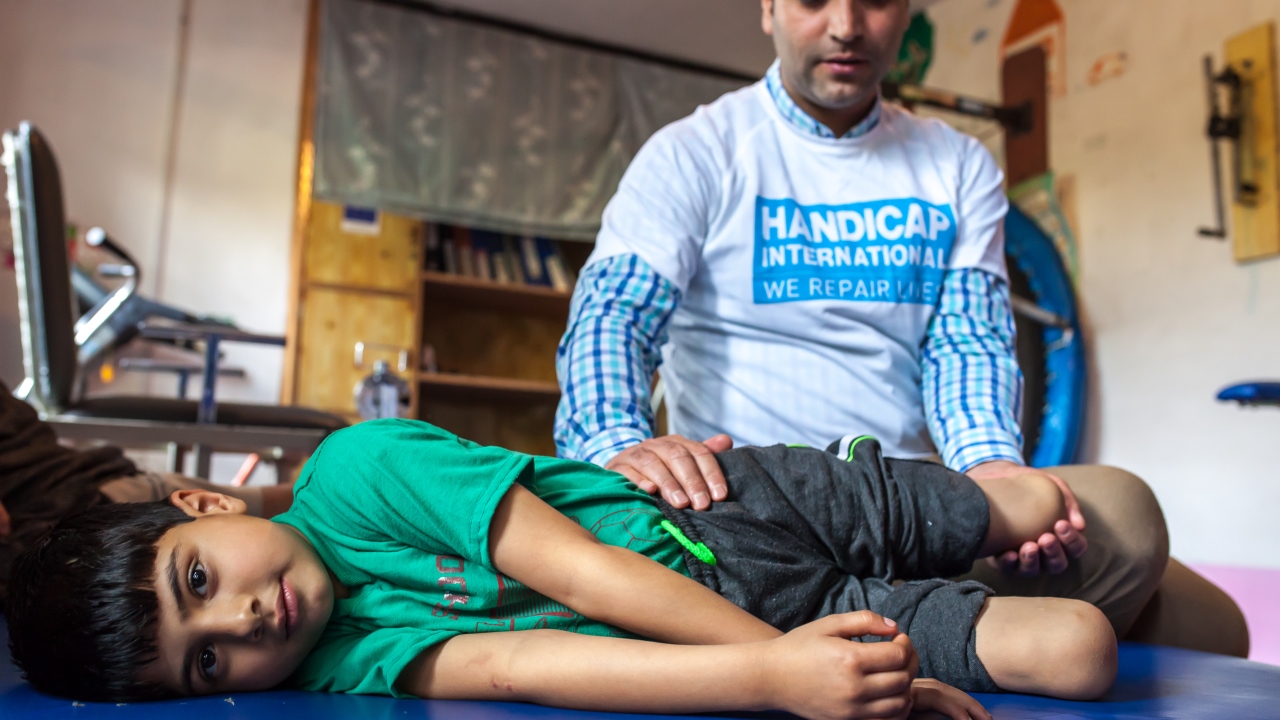
Prevention, care and recovery in Jammu and Kashmir 13/07/16
Handicap International provides risk education in Jammu and Kashmir about the explosive remnants of war that contaminate the ground in villages close to border with Pakistan. The organisation also provides rehabilitation care to the most vulnerable people.
- India
Gaza: Saving lives with risk education 07/07/16
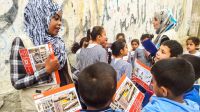
The conflict that tore through Gaza in summer 2014 not only caused extensive material damage, it left nearly 10,000 unexploded devices behind, including rockets, missile warheads and bombs. Since March 2015, Handicap International’s teams have been raising the awareness of people living in the worst-affected neighbourhoods to prevent potentially deadly accidents. One such session, in Deir Al-Balah, led to the four unexploded devices being defused.
- Occupied Palestinian Territory