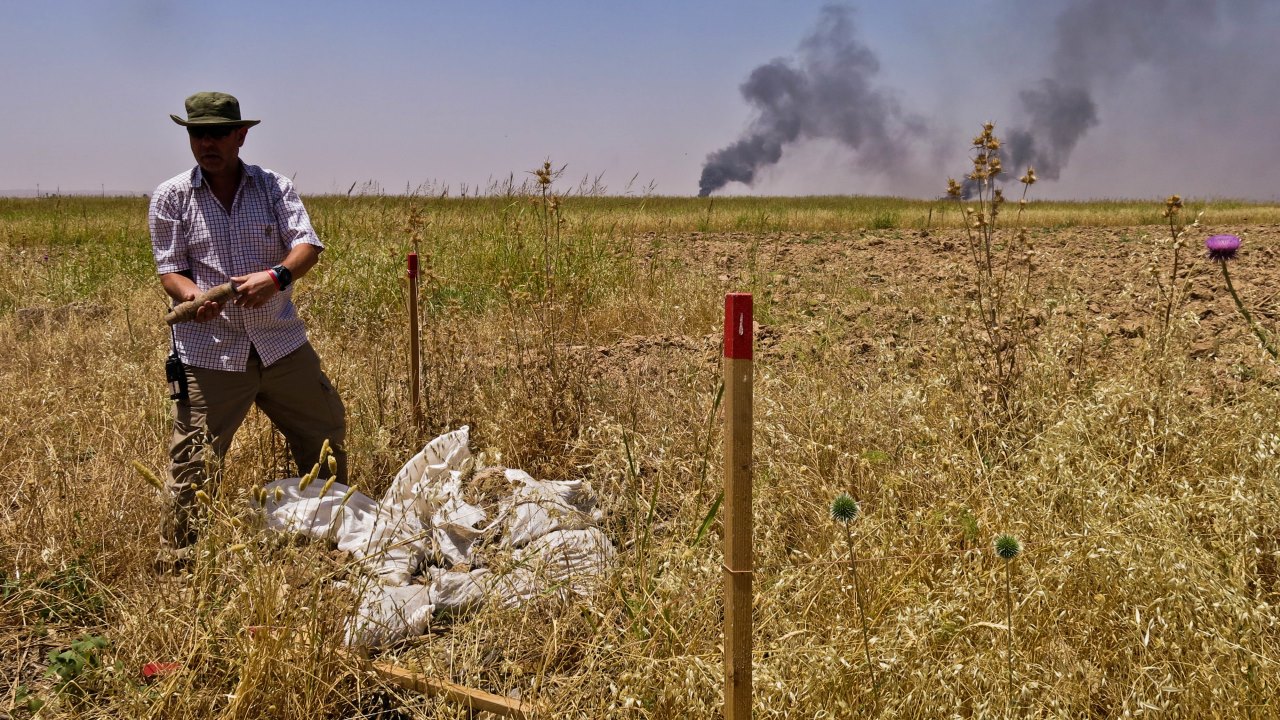
Iraq: Level of contamination from explosive remnants of war is unique 04/07/16
Handicap International’s demining expert, Simon Elmont, coordinates the organisation’s efforts in Iraq to protect civilians from explosive remnants of war. These actions aim at clearing areas contaminated in previous wars and zones affected more recently by conflicts, such as territories occupied by the Islamic State group.
- Iraq
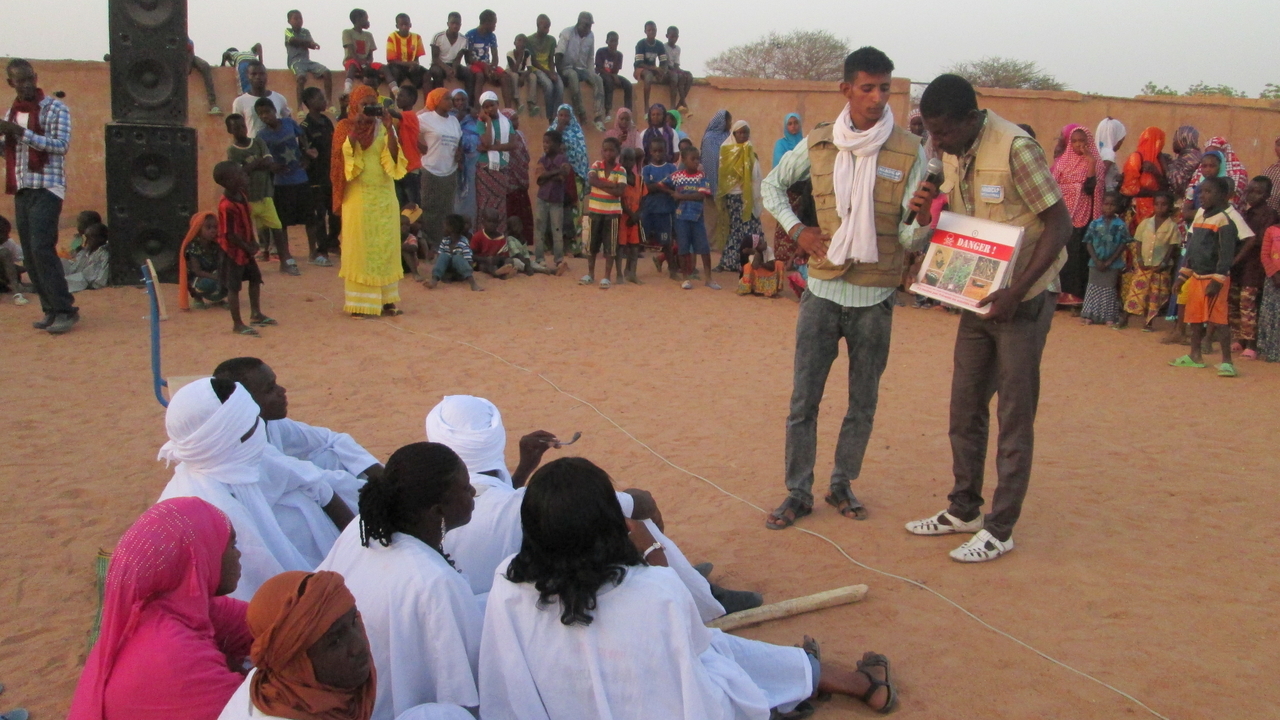
Mali: Weapons risk reduction 30/06/16
Since March 2016, Handicap International has worked with almost 20,000 people in northern Mali, raising awareness of small arms and light weapons and explosive remnants of war. This awareness-raising campaign will continue for another year. The objective is to reduce the very high number of accidents in this region of the country, where weapons are commonplace following the intense fighting that took place in 2012-2013.
- Mali
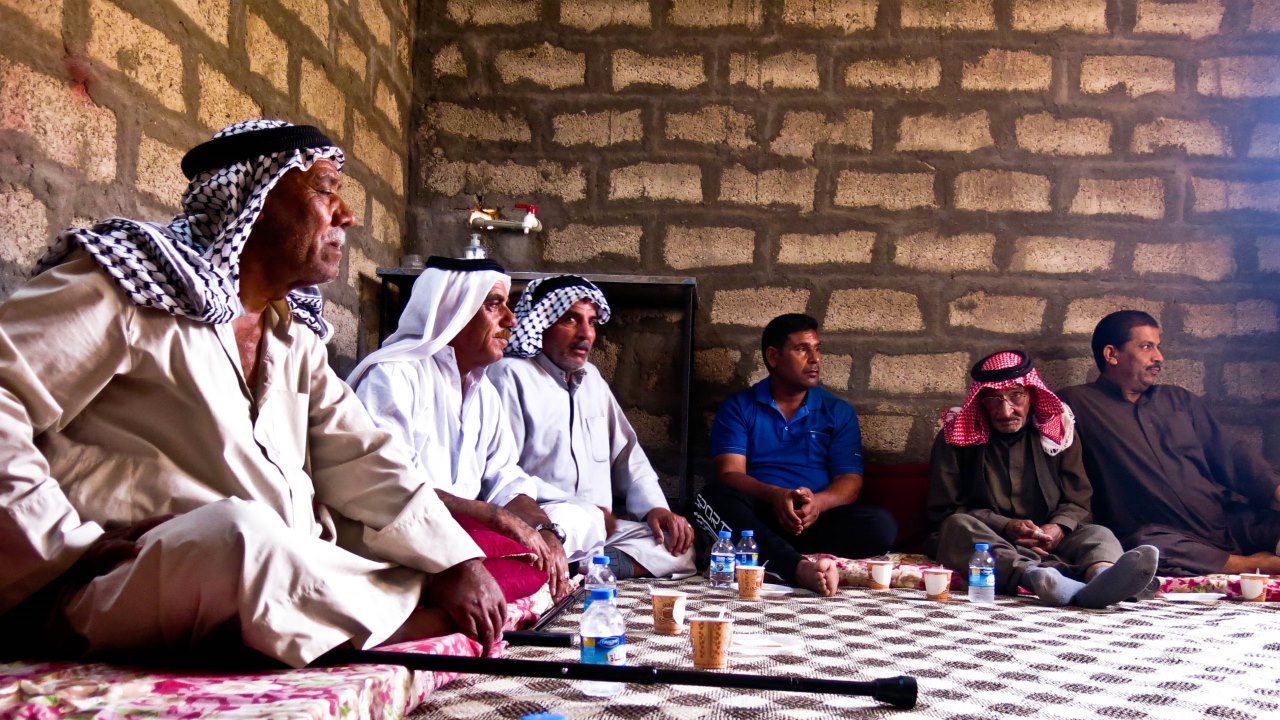
Iraq: Sharing experiences to rebuild confidence 22/06/16
In Iraq, Handicap International runs psychosocial support sessions for people affected by the current crisis, many of whom have been displaced from their homes. In Kirkuk governorate, the organisation runs regular group sessions to help people overcome trauma related to the conflict.
- Iraq
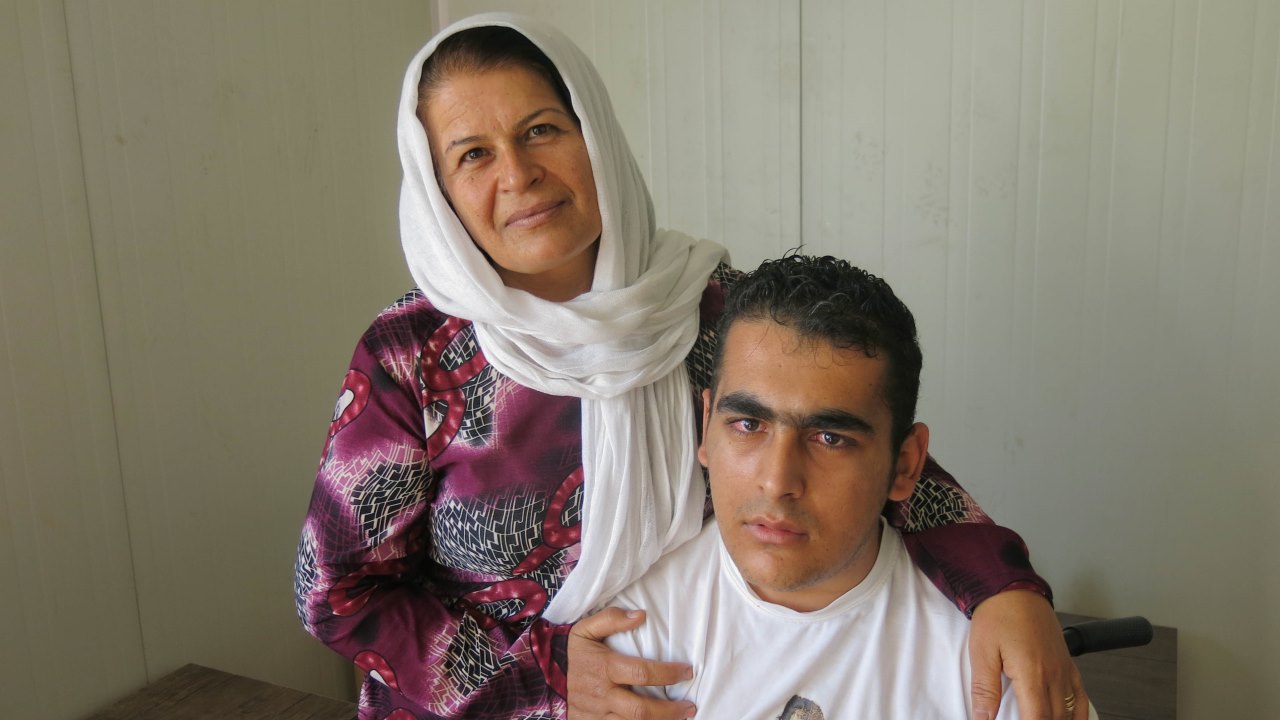
“It’s our duty to make our voices heard” 22/06/16
Handicap International has been providing support to displaced Iraqis and Syrian refugees in Iraq since 2014. In Kurdistan, the organisation runs a regional project called “Syrian Disability Representatives”, which aims to support Syrian representatives able to advocate for the rights of people with disabilities who have fled the conflict in Syria and found refuge in the region.
- Iraq
- Jordan
- Syria
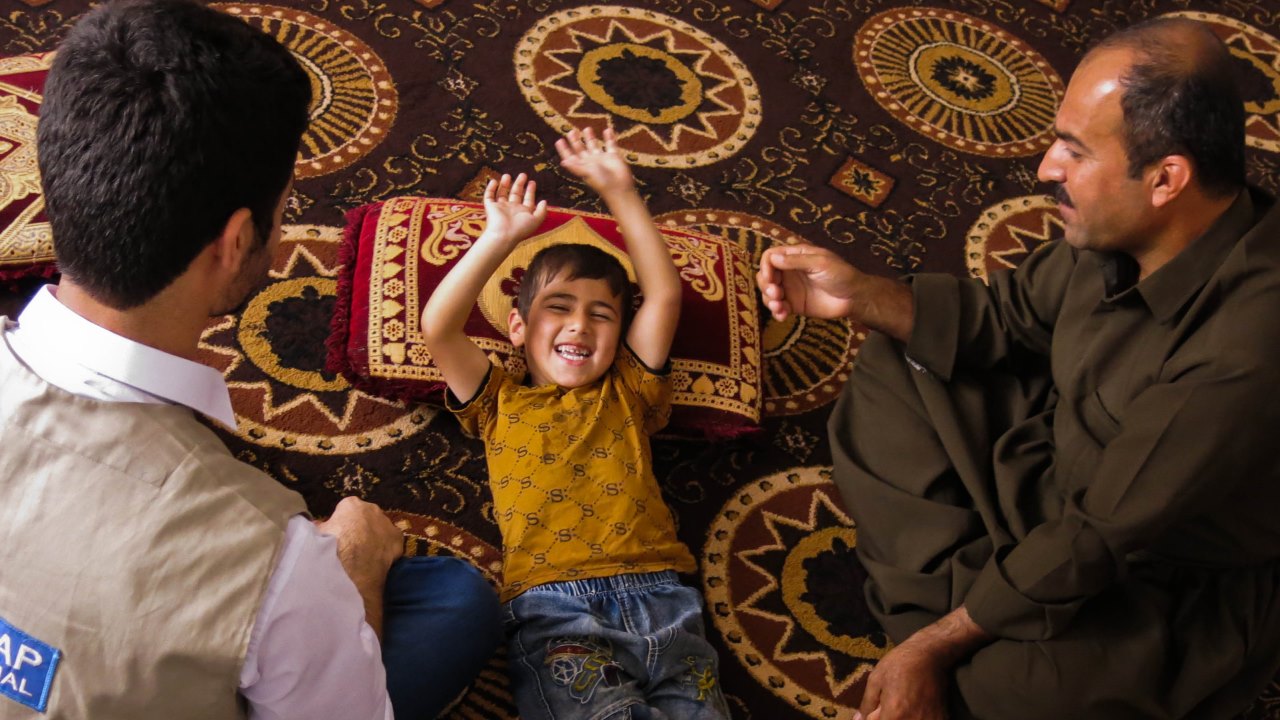
I want him to be more independent - Improving access to physiotherapy in Iraq 22/06/16
Awyar, 6, was born with cerebral palsy. His father, Razgar, plays an active role supporting his little boy in the rehabilitation sessions organised by Handicap International.
- Iraq

Iraq: Saving lives and limbs through mine awareness 22/06/16
Since the beginning of its emergency response in Iraq in 2014, Handicap International has conducted mine risk education activities in several of the country’s governorates. Improving the safety of internally displaced people, returnees and local populations is one of the organisation’s main goals in the region.
- Iraq
Giles Duley: “Rehabilitation gave me hope” 22/06/16
British photographer Giles Duley knows the importance of physical rehabilitation all too well, both through the people with disabilities he has met in conflict zones around the world, and his own personal experience. Whilst working in Afghanistan in 2011, Giles was severely injured in an explosion, losing both his legs and an arm. But after more than a year of surgery and rehabilitation, he was back at work and more determined than ever to document the lives of people affected by conflict.
We asked Giles to tell us what rehabilitation means to him...
- United Kingdom
- Jordan
- Lebanon
- Syria
Iraq: “We’re recovering together, from the same tragedy” 22/06/16
In June 2016, after two years of fighting between the Iraqi and Kurdish forces and the Islamic State group, more than 3.4 million people have been displaced in Iraq. Since the start of the crisis, Handicap International has been providing assistance to these displaced people. And some of the organisation’s staff members also share their experiences. Hareth, Zahra and Rana fled their city to escape the fighting. Now, they tell us their story.
- Iraq
Saadi: “My family is all I have left” 21/06/16
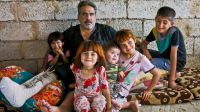
Saadi was forced to flee his hometown in Iraq after it fell into the hands of the Islamic State group. Months later, the armed group retreated from his region and Saadi returned to check on his house. The instant he opened the front door, a bomb exploded, leaving him seriously injured. Today, Saadi and his family are trying to recover from this traumatic event with help from Handicap International.
- Iraq
Iraq: Abdelillah turns towards the future 21/06/16
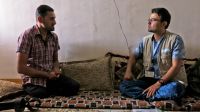
Abdelillah lost his leg in an attack on his home village, in the centre of Iraq, more than ten years ago. In 2014, when the Islamic State group seized control of his region, Abdelillah fled with his family to the north of the country. As part of the response we provide to displaced Iraqis, Handicap International has offered Abdelillah the chance to attend psychosocial and physiotherapy sessions.
- Iraq
Sign language, education and friendship in Togo: Moussifa’s story 14/06/16
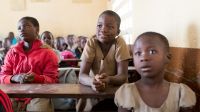
Moussifa was born in 2007 in Togo. Long deprived of a primary education because of her hearing impairment and difficult family situation, she has finally been enrolled in school thanks to Handicap International, who intervened with the educational authorities in Togo on her behalf. She now attends a second-year primary school class (almost) like any other.
- Togo
Handicap International supports DR Congo in its struggle to become mine-free 14/06/16
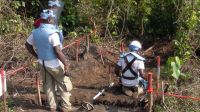
Handicap International has started up mine clearance operations in the Democratic Republic of Congo (DRC). Starting in June 2016, the organisation and its local partner AFRILAM will clear a 50,000 metre squared plot of land, the equivalent of eight football pitches, located around 15 kilometres from Kinsagani, the main city in the province of Tshopo in the north-east of the country.
- Democratic Republic of Congo
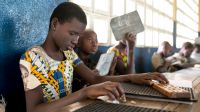
West Africa: Inclusive education is first step towards full participation of children with disabilities 13/06/16
Since 2012, Handicap International has been improving the school enrolment and attendance of 170,000 children with disabilities in nine West African countries through the “Promoting the Full Participation of Children with Disabilities in Education” (APPEHL) project. Sandra Boisseau, who coordinates APPEHL from Dakar, Senegal, explains what the organisation is doing to remove obstacles to education for these children.
- Liberia (no longer active)
- Mali
- Burkina Faso
- Niger
- Togo
- Benin
- Guinea-Bissau
- Senegal

Sri Lanka floods: Access to food and drinking water a priority 10/06/16
Handicap International is preparing to launch a response in aid of the most vulnerable individuals affected by flooding and landslides in Sri Lanka, which was hit by Cyclone Roanu on 15th May.
- Sri Lanka
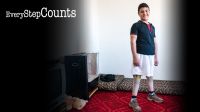
Qusay, 14: “I don't have to depend on anyone” 08/06/16
Eloquent, determined and mature beyond his 14 years, Qusay is coping with losing both his legs in an air strike in Syria. His progress is an inspiration to everyone he meets.
- Jordan
- Syria