Combating weapons proliferation and armed violence 01/04/16
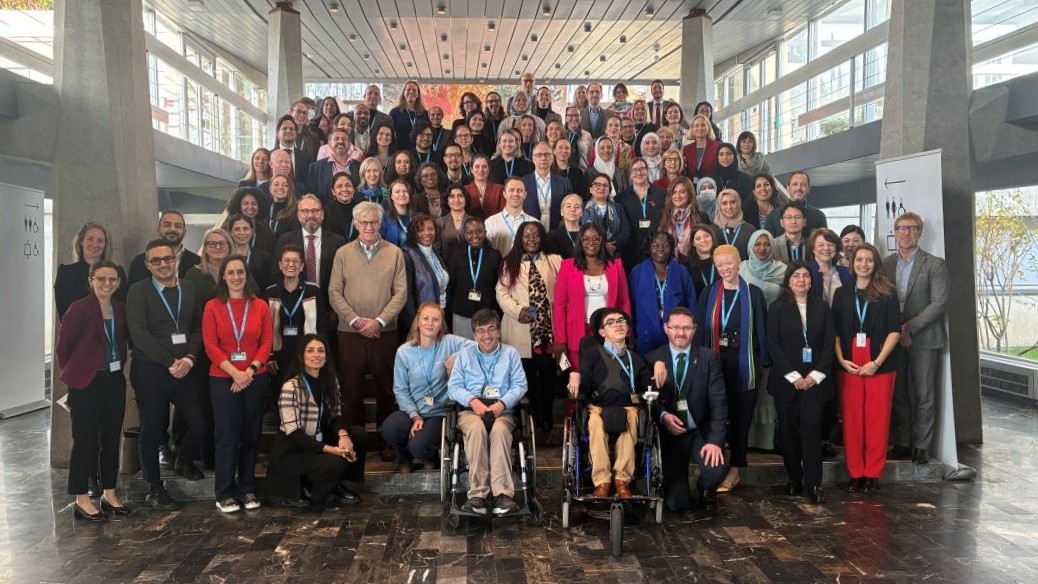
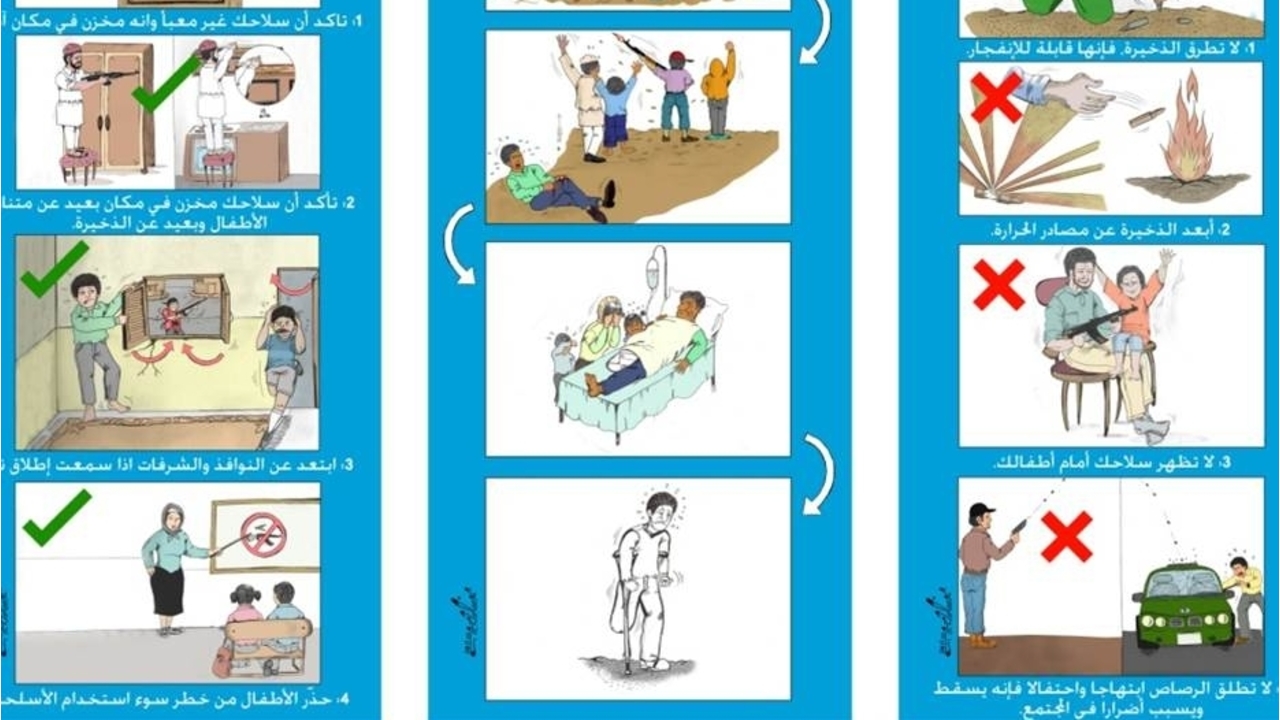
The Arms Trade Treaty was adopted by the United Nations General Assembly on 2nd April 2013, an important step in the fight against weapons proliferation. Handicap International is working in 20 countries to raise awareness of the risks posed by small arms and explosive remnants of war.
- Libya (no longer active)
- Mali
A day demining with our team in Casamance, Senegal 01/04/16
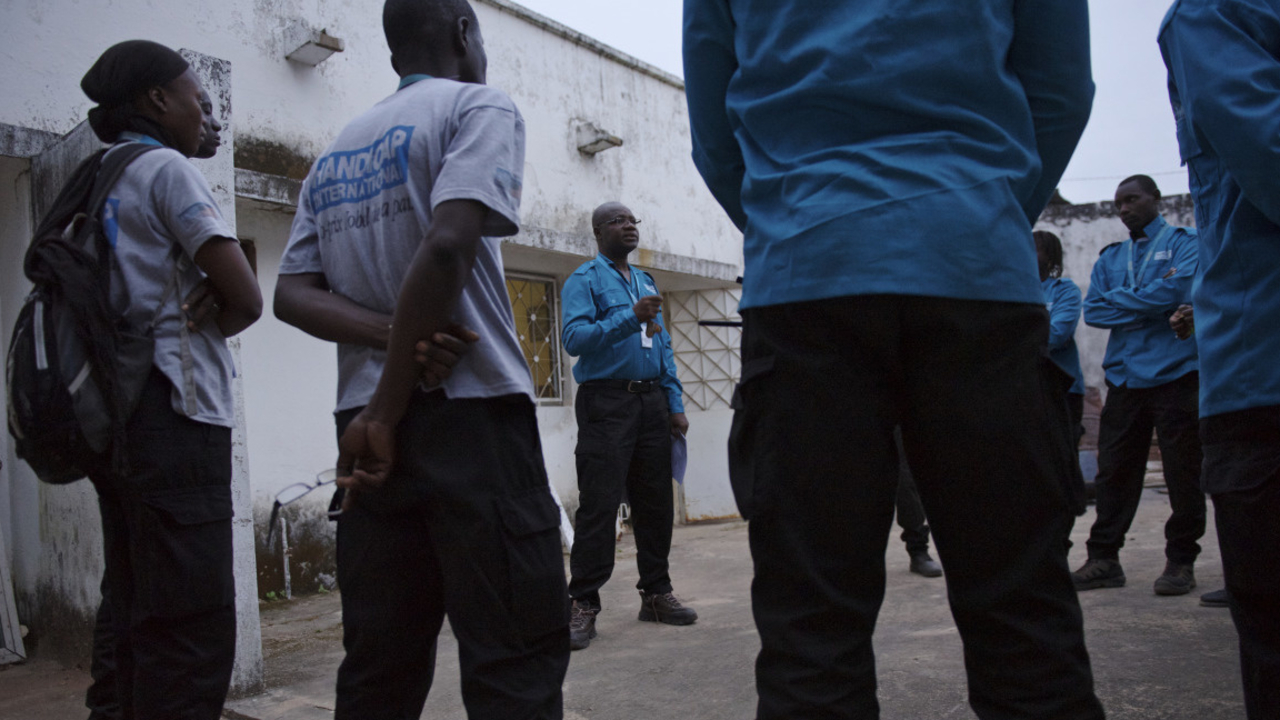
The sun has just come up. After the team has loaded up the equipment, Aziz, Handicap International's Head of Demining Operations, motivates the troops and reminds them of the day's objective: demining the village of Diagnon, located around fifty kilometres out of Ziguinchor.
Handicap International facilitates transport of humanitarian aid in Central African Republic 01/04/16
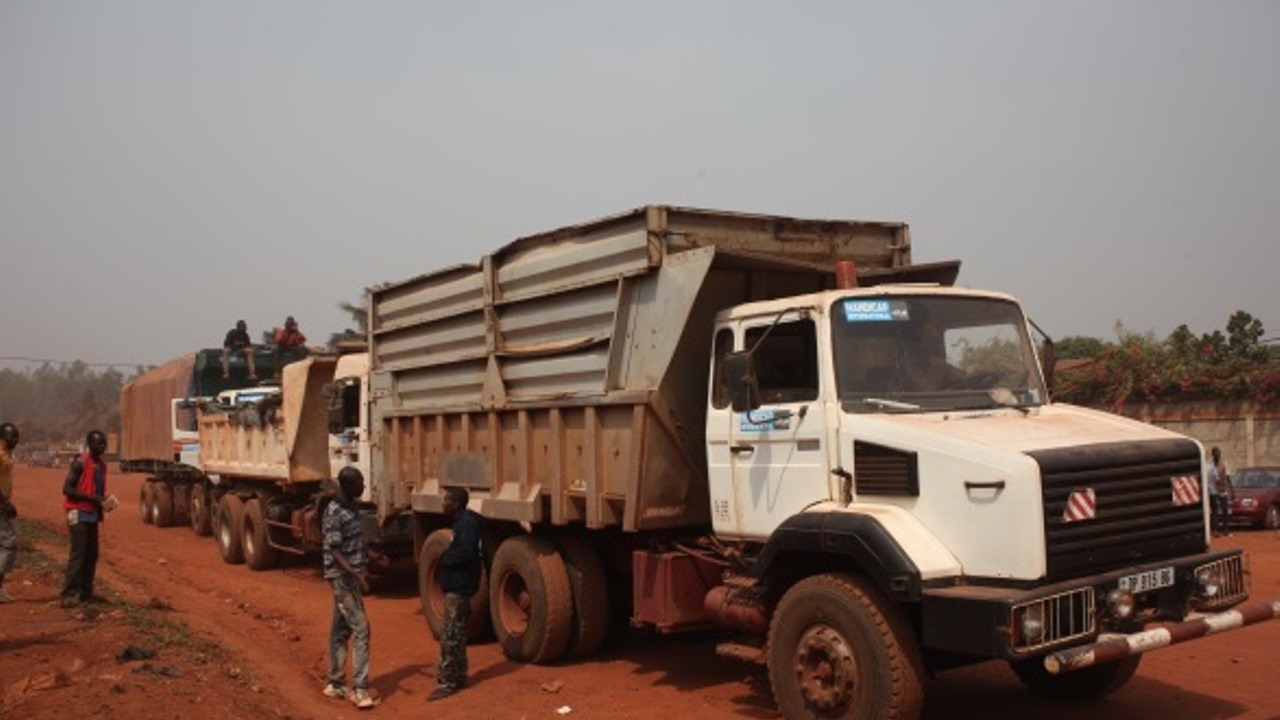
In response to the crisis in the Central African Republic, Handicap International has set up a logistics hub to make it easier for humanitarian organisations to access vulnerable people in isolated areas of the country.
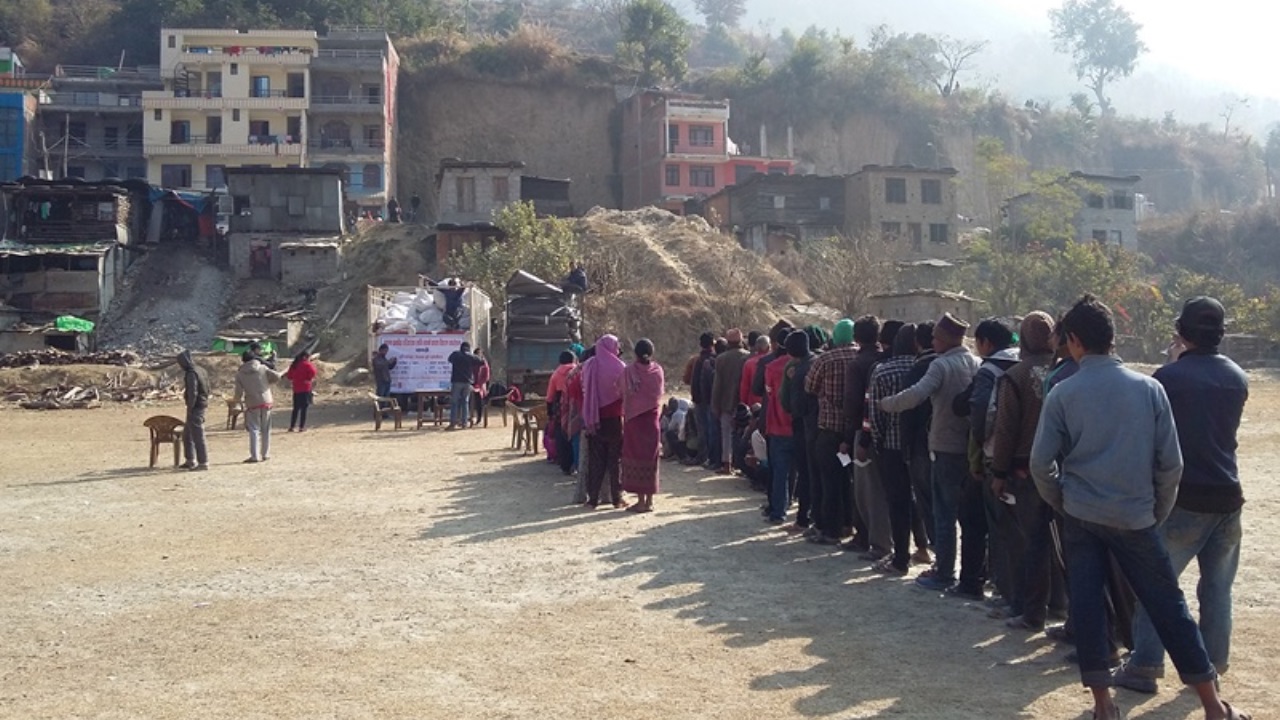
Winter in Nepal: Handicap International assists the most vulnerable families 01/04/16
Handicap International has distributed winter kits containing clothes, mattresses and blankets to vulnerable families in Nepal who lost everything in the earthquake of April 2015. Ten months on, the organisation continues to supply aid to victims of the disaster.
- Nepal
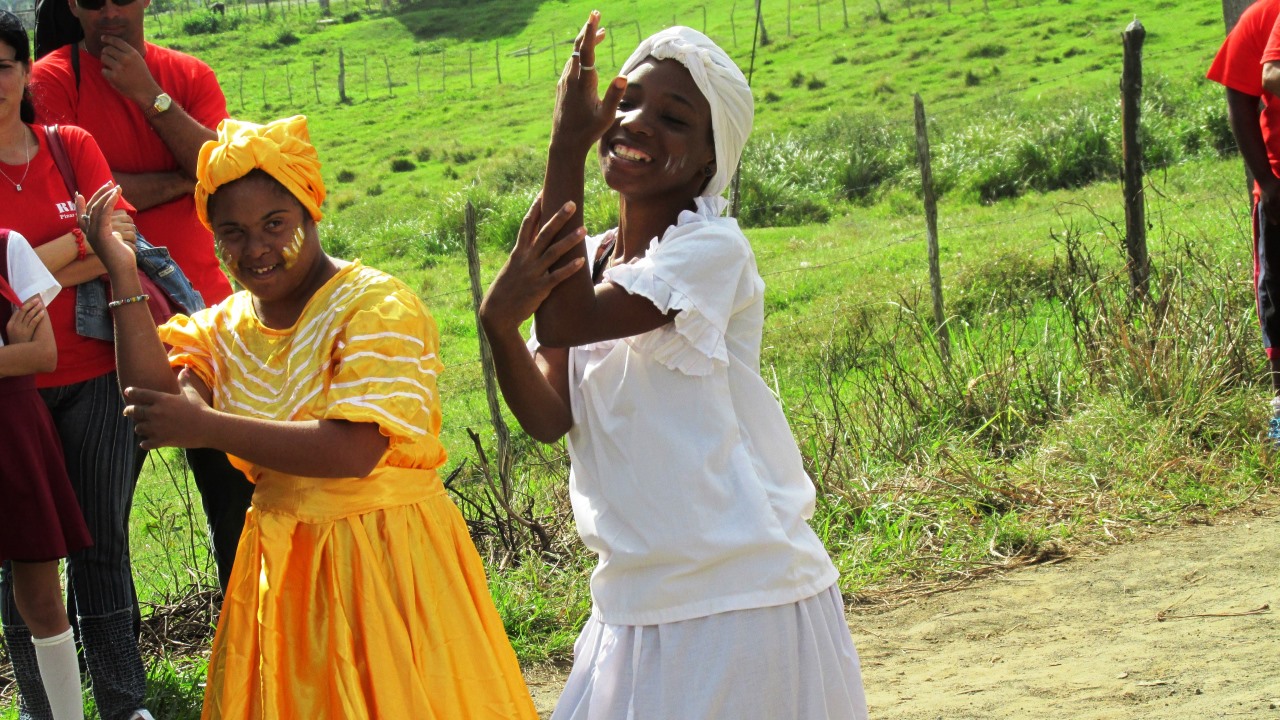
Cuba: Improving the living conditions of people with disabilities and their families 31/03/16
There is a high prevalence of disability in Cuba. One third of people with disabilities have an intellectual impairment. Handicap International’s project aims at improving the living conditions of people with disabilities and their families and promotes their inclusion in communities in Piñar del Rio province, in the west of Cuba.
- Cuba
Use of banned explosive weapons at highest level since 2010 31/03/16
From Syria to Yemen, Afghanistan, Colombia, Myanmar and Tunisia, the use of banned explosive weapons increased significantly in 2014 and 2015. To mark International Day of Mine Awareness and Assistance in Mine Action, Handicap International is calling for an immediate end to the use of these weapons.
- Tunisia
- Syria
- Afghanistan
- Colombia
- Myanmar
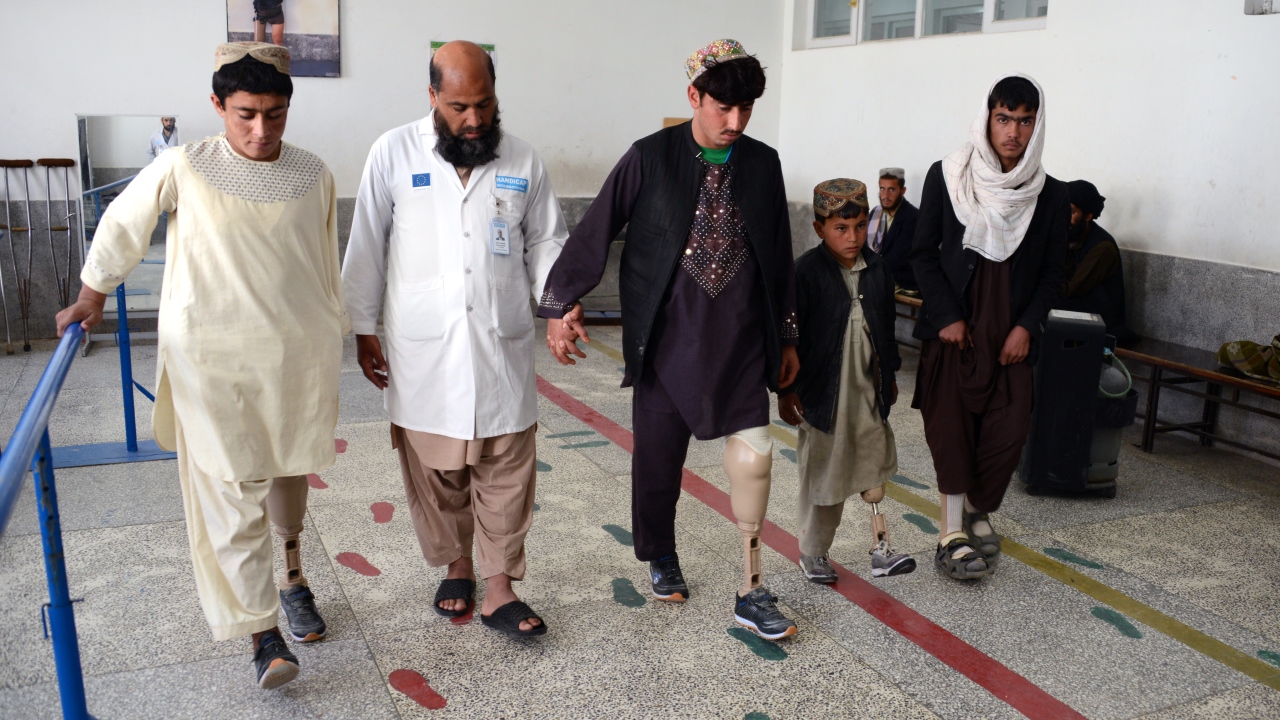
Afghanistan: Rehabilitation centre in Kandahar helps injured and disabled people 31/03/16
Since 1996, HI has managed a physical rehabilitation centre in Kandahar, southern Afghanistan. This centre is the only one providing comprehensive services to disabled people across the whole region. We visit the centre with Rasool, the officer in charge of our activities in Kandahar province.
- Afghanistan
Sayed, 6: “I can play with my friends again!” 25/03/16
Sayed is a six-year-old boy from Afghanistan with an irresistible smile. When he was five, he was injured by an improvised mine – one of many victim-activated devices that regularly kill and maim people in Afghanistan. After Sayed’s left leg was amputated, he was immediately treated by Handicap International and he is steadily regaining his independence. We talked to him and his father, Mohammed, at Handicap International’s physical rehabilitation centre in Kandahar.
- Afghanistan
Yemen: An urgent need to provide care for the injured 25/03/16
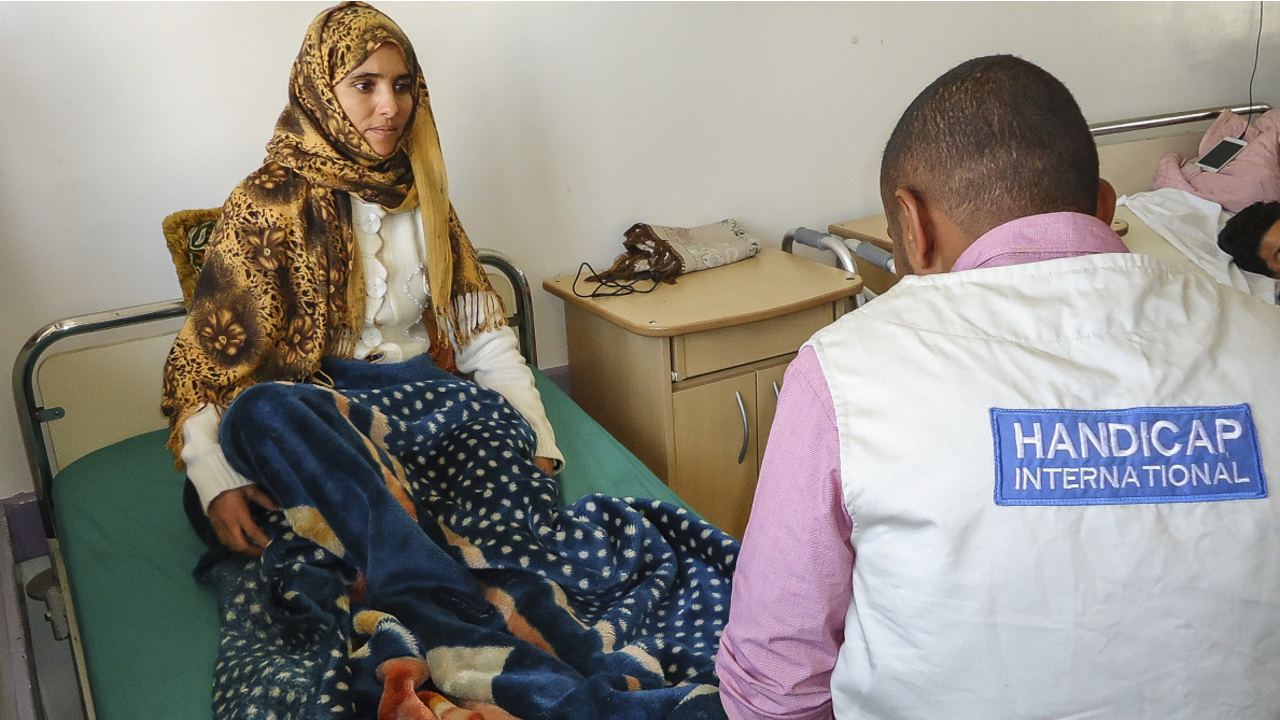
For one year now Yemen has been torn apart by a conflict that has killed over 3,000 civilians. The humanitarian needs are immense. Since October 2015, Handicap International has been providing care for the injured. Over 1,200 people have already been helped by the organisation.
What should you do if you find a mine? 21/03/16
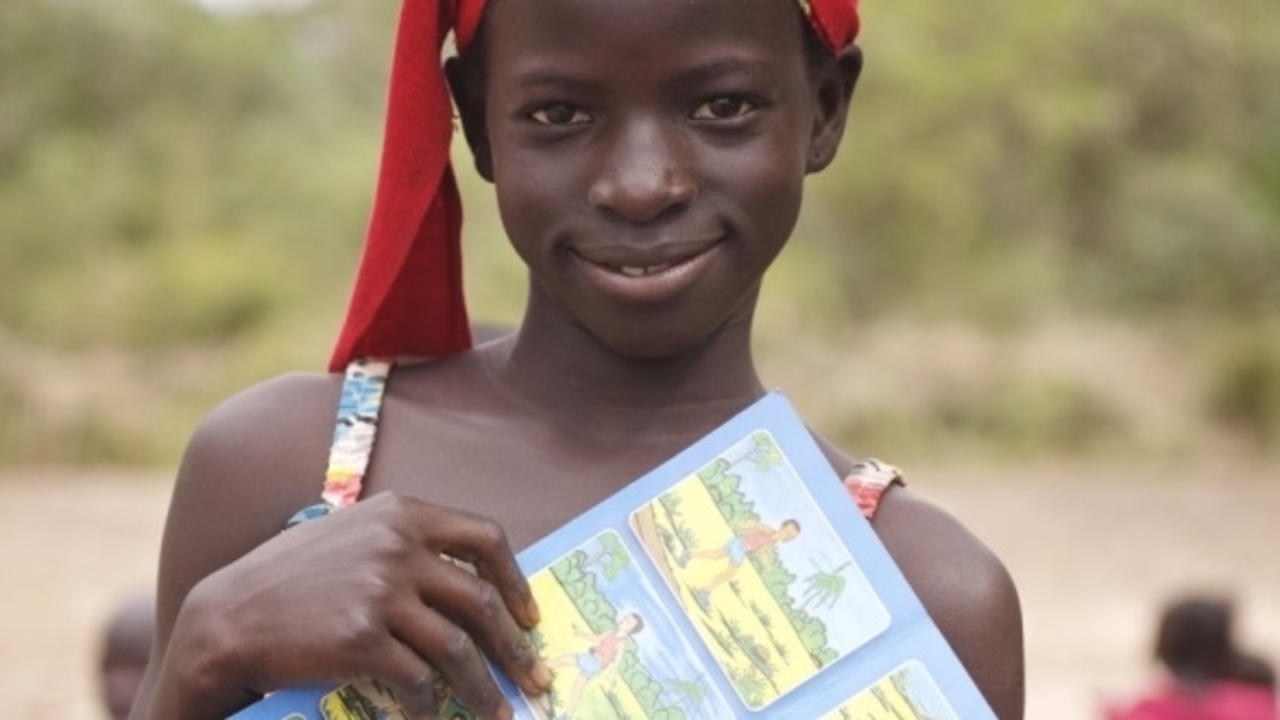
The conflict that devestated the region of Casamance in southern Senegal for thirty years is now over. However, anti-personnel mines still pose a threat to civilians. Alongside its mine clearance operations, Handicap International is also working with its partner, ASVM (the Senegalese Association of Mine Victims), to inform and raise people's awareness of the dangers posed by mines. Over an eight-month period, awareness-raising sessions will be held in 60 schools and 65 villages.
- Senegal
50 mines and counting: a woman clears a path to safety in Senegal 21/03/16
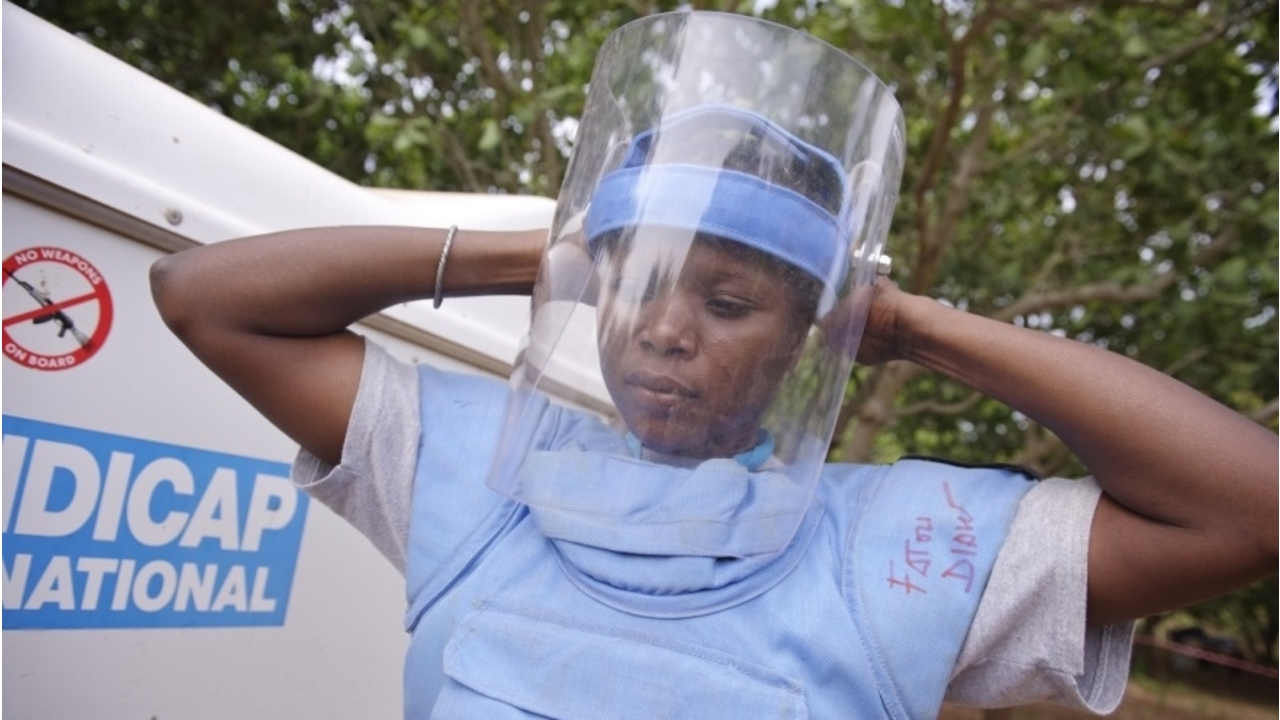
In southern Senegal, landmines pose a clear and present danger. The violence that rocked Casamance for 30 years is now a distant memory, but the mines laid during the fighting, often on the edges of villages, continue to put people’s lives in danger.
- Senegal
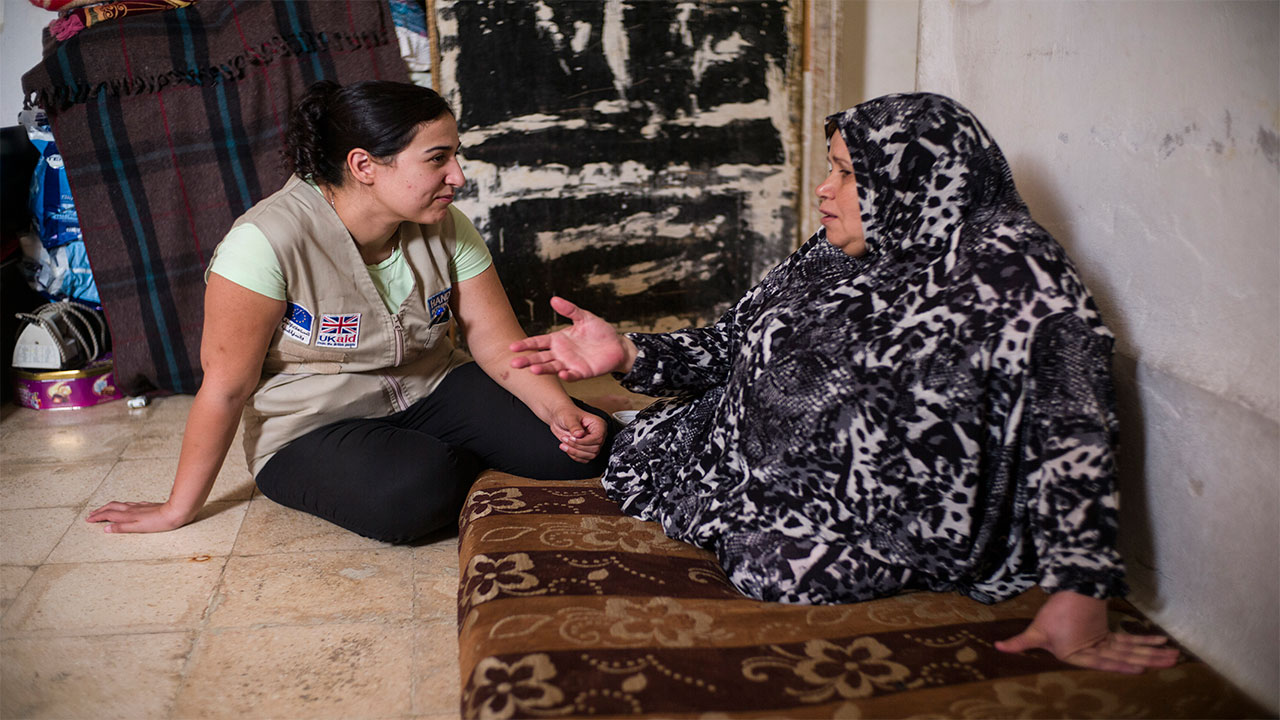
Ala'a Dieri: “These small victories fill me with joy” 14/03/16
Ala’a has been one of Handicap International’s social workers since April 2014. Based in Amman, she identifies the most vulnerable people and helps meet their needs. An industrial engineer by training, she explains why she chose to work with Handicap International.
- Jordan
- Syria
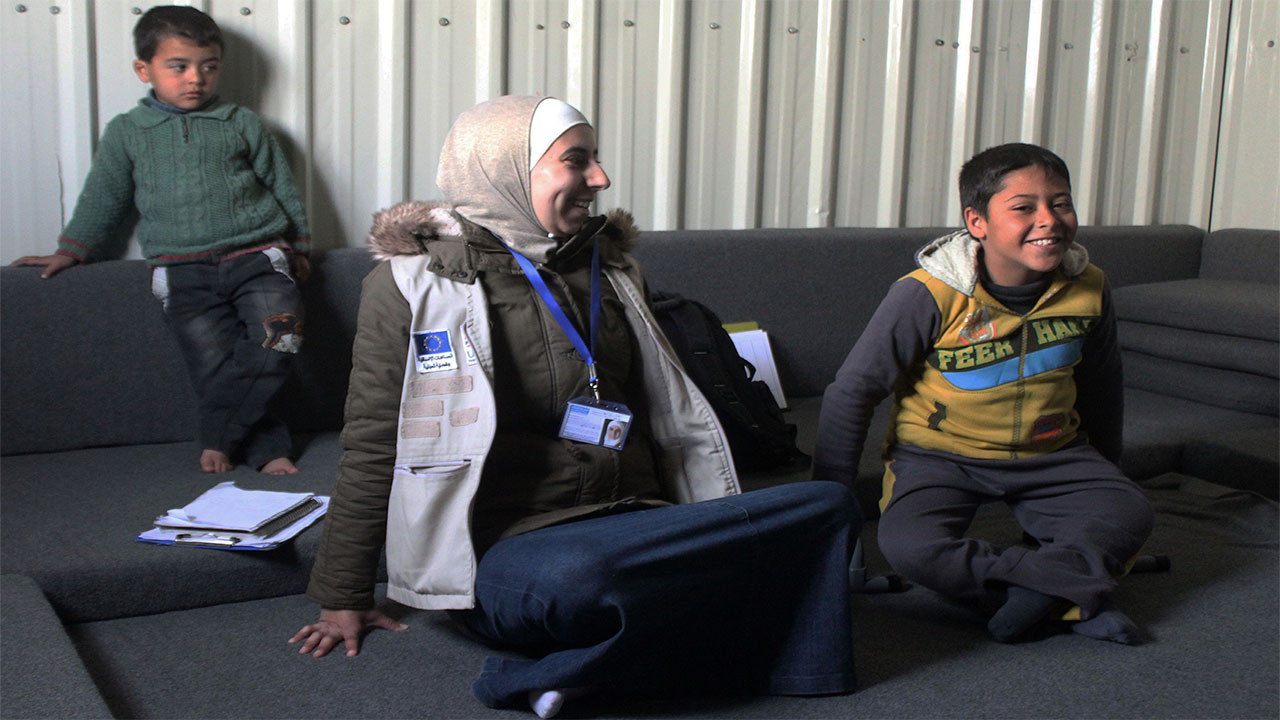
A wheelchair to go back to school 10/03/16
Ahmad is eight years old. He was born with spina bifida, a condition where the spine does not develop properly, and which prevents him from walking. He arrived in the Azraq camp, northern Jordan, with his family in November 2015. To improve his quality of life and his mobility he is being supported by one of Handicap International’s teams*.
- Jordan
- Syria
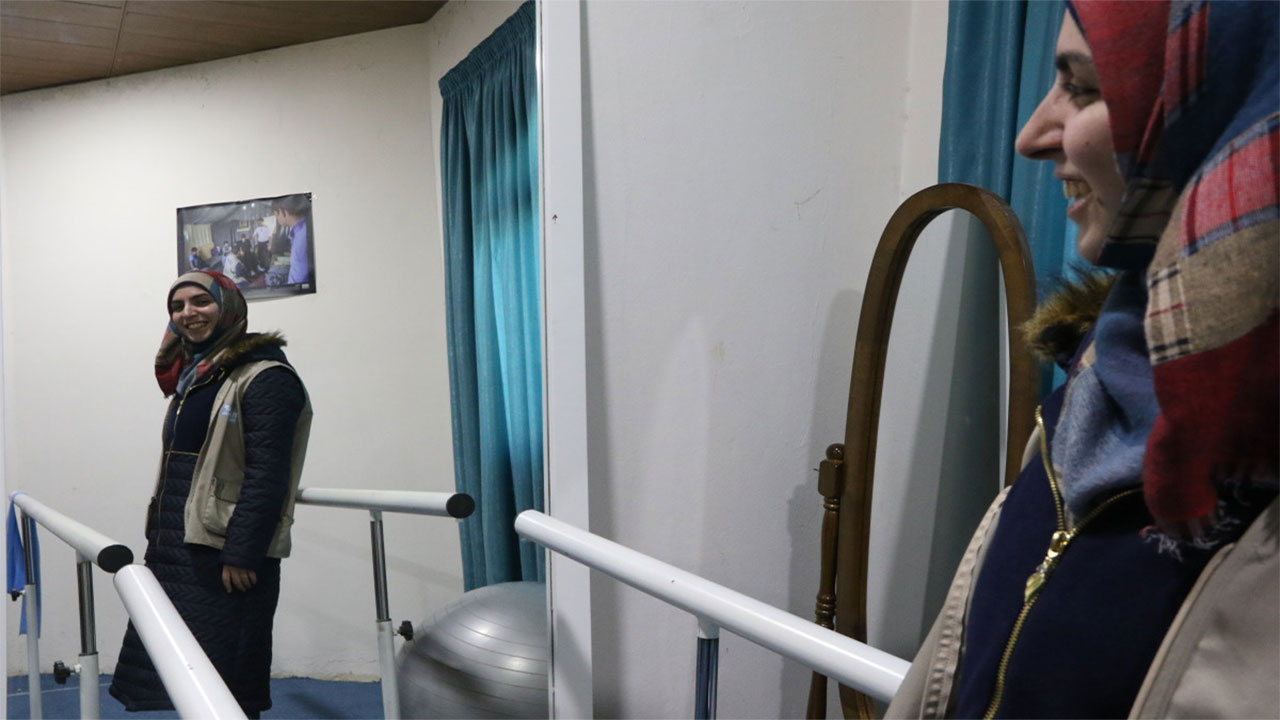
Five years of the Syria crisis: Meet four amazing people supporting injured and disabled people 10/03/16
Handicap International's response to the Syria crisis, which began five years ago, has become the biggest humanitarian response in the organisation's history. More than 600,000 people have been supported by our teams of physiotherapists, orthopaedic technicians, social workers, logistics officers and many others. Here, four of Handicap International's 370 strong team explain what their roles mean to them.
- Syria
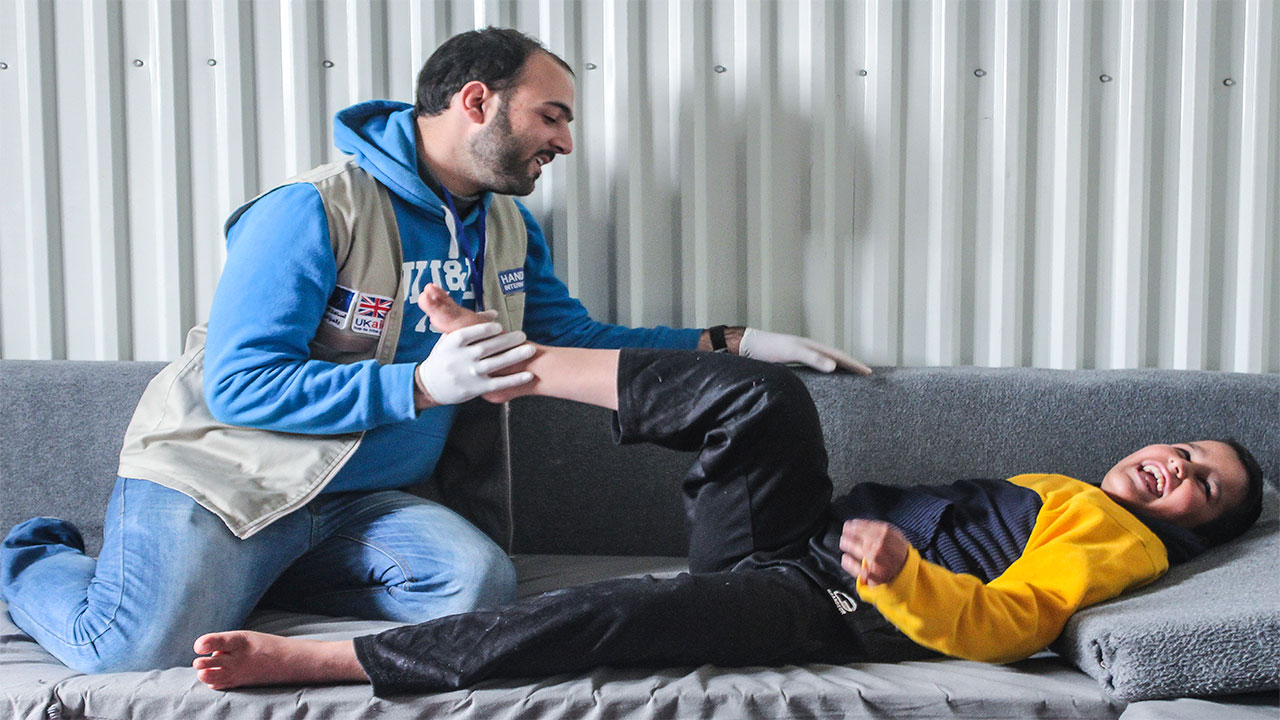
Abdel Rahman: “I’m going to care for people too one day” 29/02/16
Abdel Rahman, 13, has muscular dystrophy. At the end of 2015, he and his family arrived in Azraq camp, Jordan, where he is being supported by a Handicap International team*. Abdel's physiotherapy sessions are helping him adapt to life in the camp.
- Jordan
- Syria