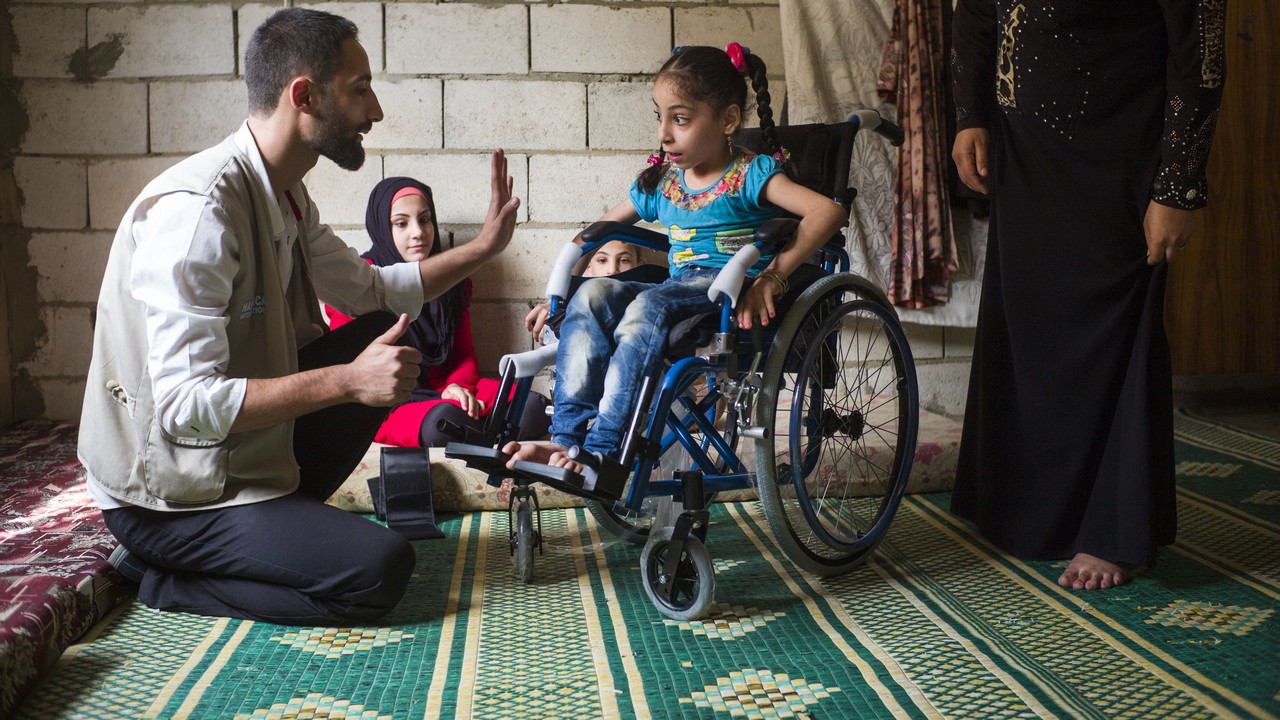
Dalal, 7, goes outside for the first time in a year 28/02/16
Dalal is seven-years-old. Born with cerebral palsy, which affects her speech and mobility, she arrived in Lebanon with her family in March 2012. Today, one of Handicap International’s teams has brought her a wheelchair so she can move around more easily. With help from Handicap International* and her family, Dalal was able to leave her family’s apartment for the first time in eighteen months.
- Lebanon
- Syria
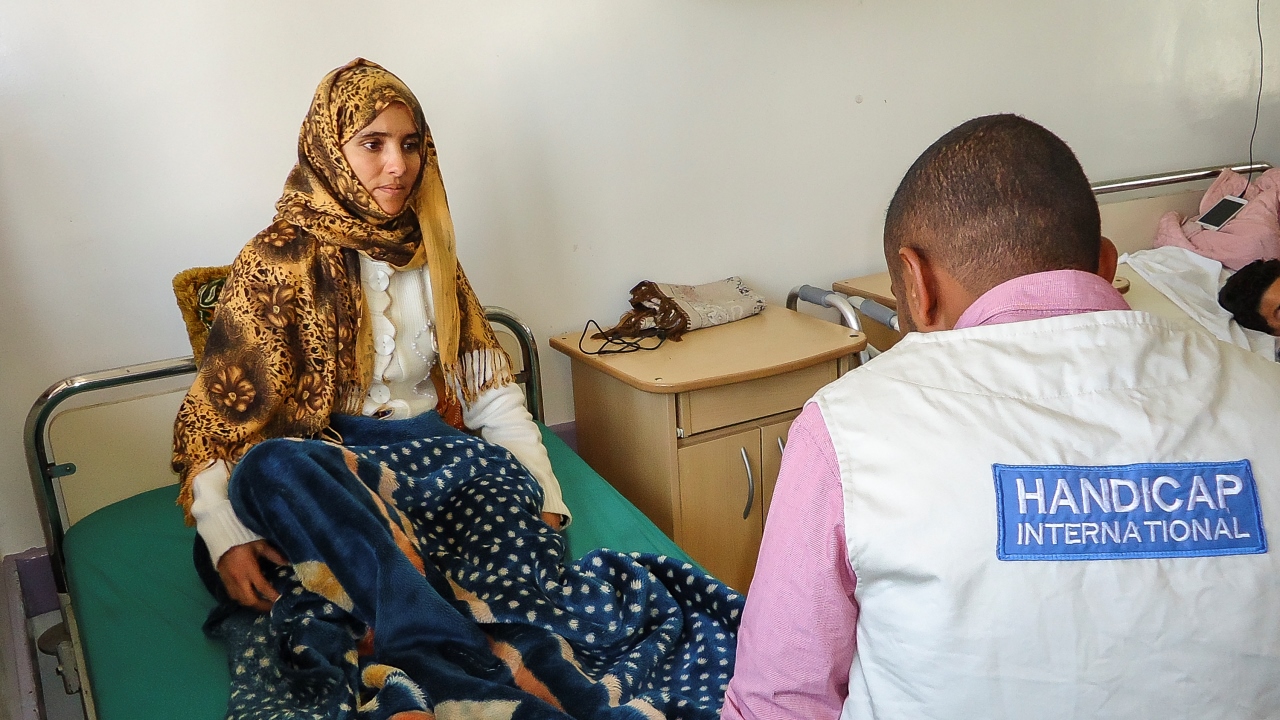
Bushra: “I want to walk again and get my life back to normal” 24/02/16
Injured in an air strike, Bushra receives help from Handicap International’s team in one of several hospitals in Yemen where we provide support to victims of the conflict.
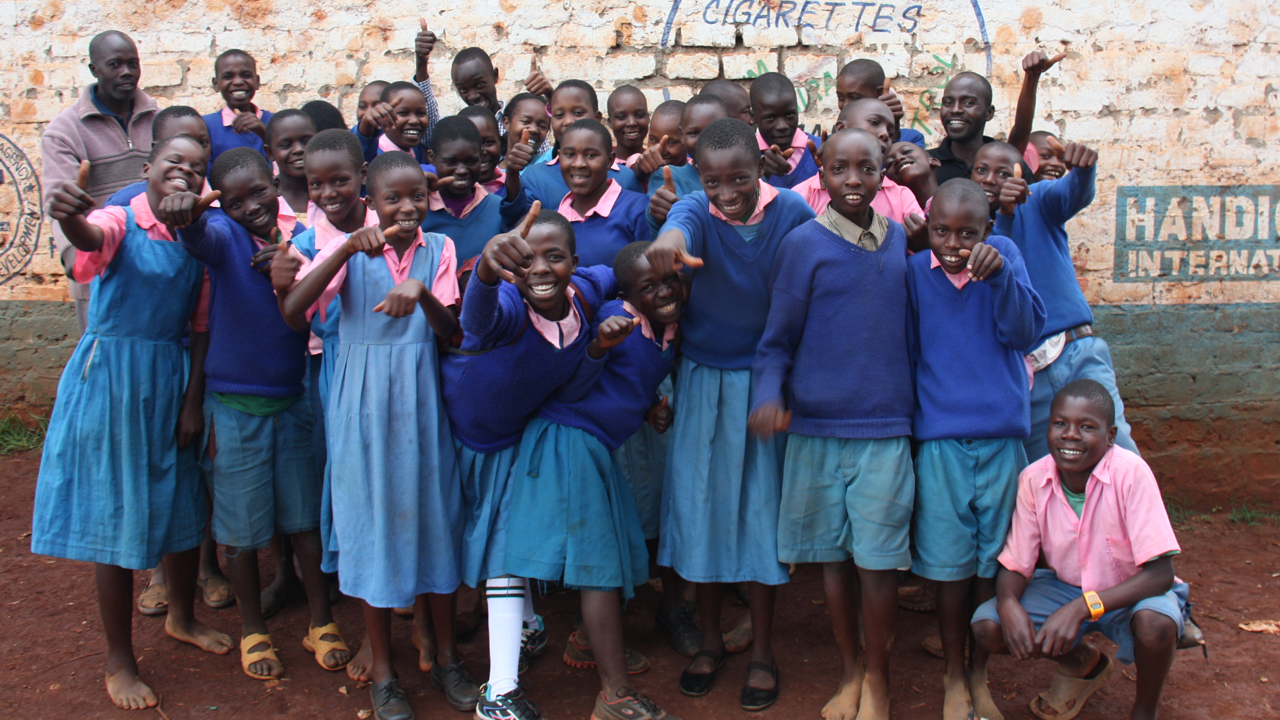
Preventing sexual violence against children 24/02/16
The Ubuntu Care1 project combats sexual violence against children, particularly children with disabilities, in Kenya, Burundi and Rwanda. Launched in November 2012, it has already provided care and treatment to 600 child victims of sexual violence. Regional coordinator Sofia Hedjam describes the programme and its achievements.
- Burundi
- Rwanda
- Kenya
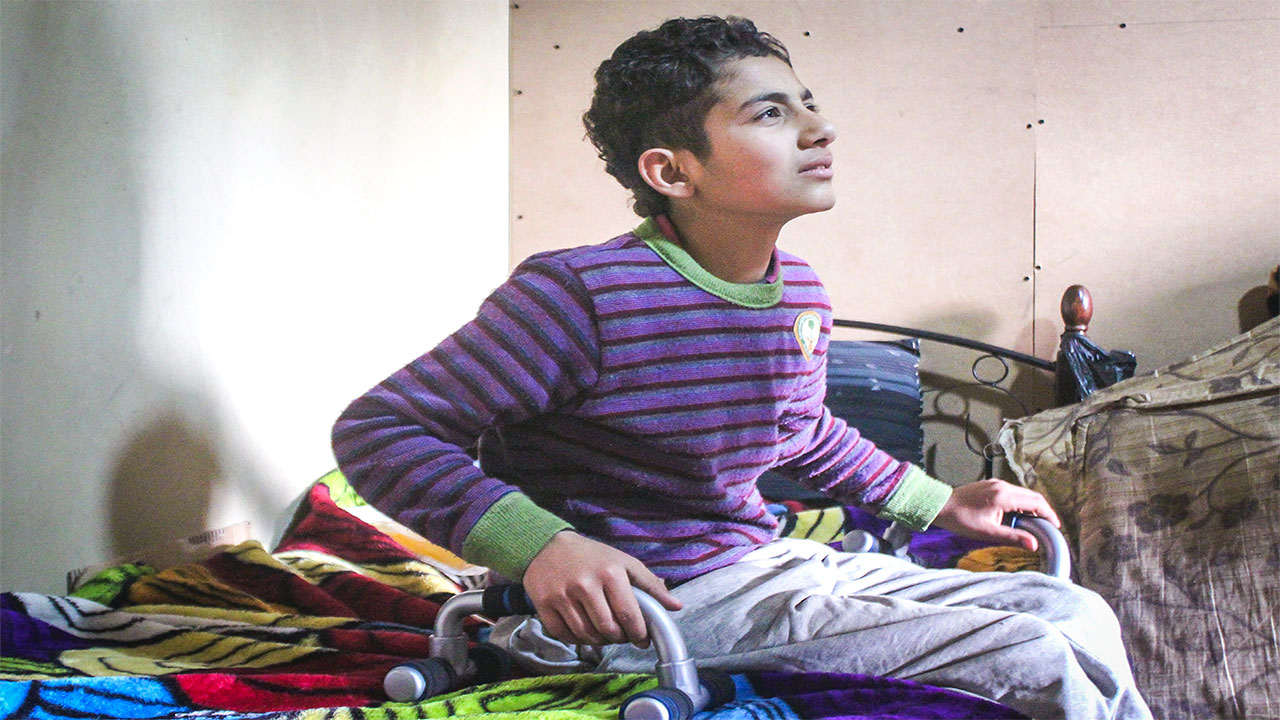
Abdallah: “I’d like to go out and see my brothers again” 24/02/16
Abdallah, 11, was injured in a bombing raid in Syria. He is now paraplegic and lives with his mother, brothers and sisters in a shelter for refugees in Lebanon. Since he arrived in the Beqaa Valley in September 2015, he has been supported by a Handicap International team* who are helping him to gradually recover and meet the new challenges he is facing.
- Lebanon
- Syria
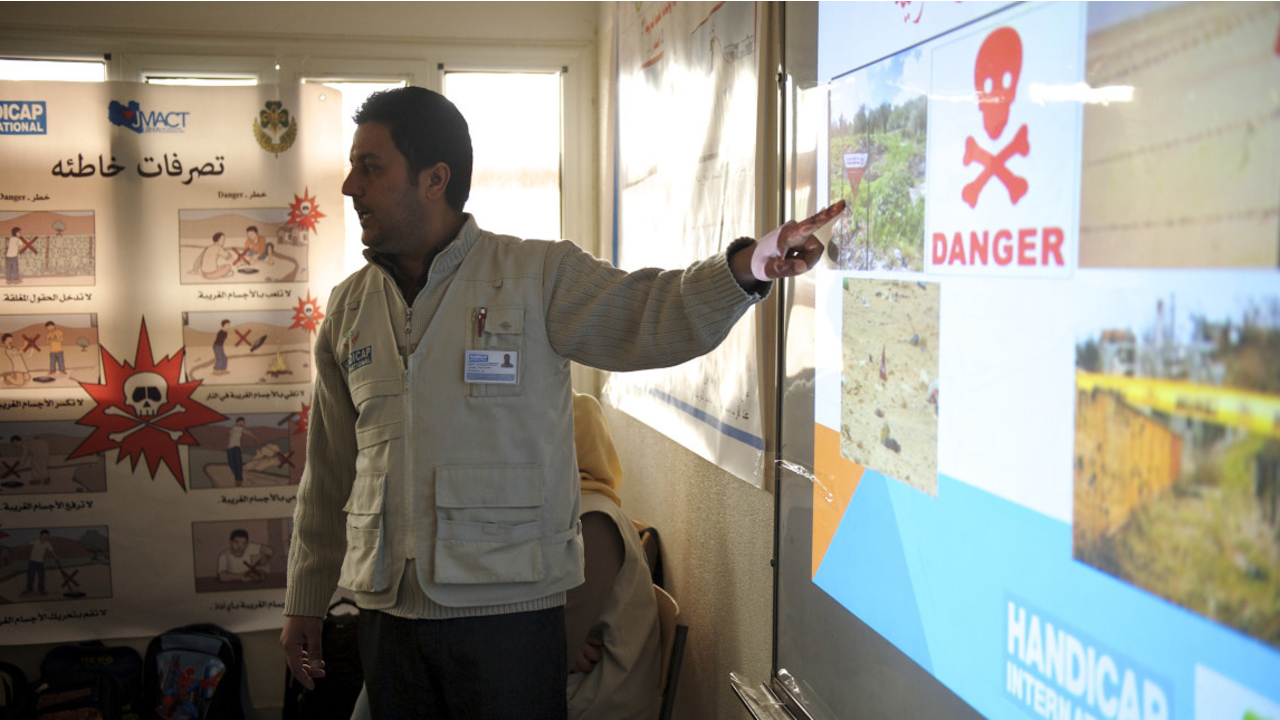
Weapons: a daily threat to people’s lives 18/02/16
The fall of Muammar Gaddafi in 2011 and Libya’s descent into chaos has led to a proliferation of arms and an escalation in fighting between militia groups. In response, Handicap International is providing the population with risk education on firearms, mines and explosive remnants of war. Over the last four years, the organisation has educated 120,000 people at greatest risk from these weapons, most of them children.
- Libya (no longer active)
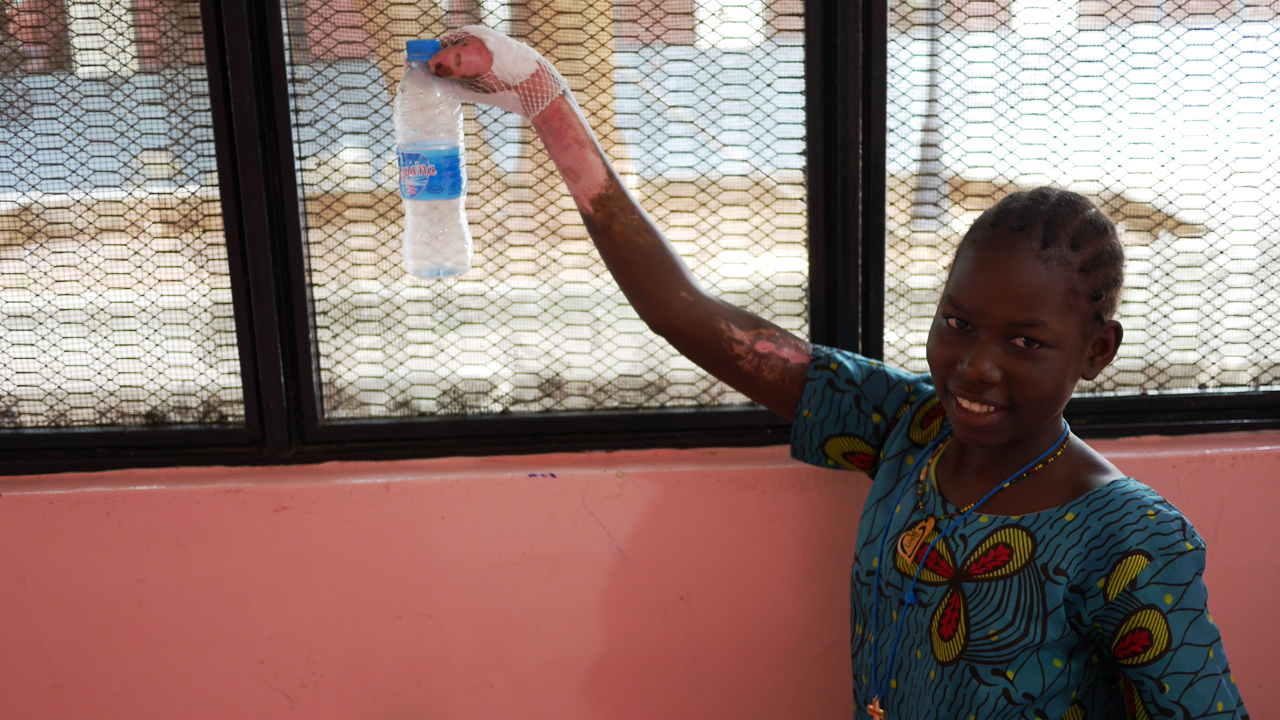
Providing healthcare in a country at war 16/02/16
South Sudan’s brutal two-year civil war is forcing an increasing number of civilians, who are often the victims of violence, to flee their homes. Over two million people have been internally displaced or taken refuge in a neighbouring country since the start of the conflict. Present in South Sudan since 2006, Handicap International is providing humanitarian response to people caught up in the fighting, particularly in the field of health.
- South Sudan

Air strike destroys MSF hospital in northern Syria 15/02/16
A hospital supported by humanitarian organisation Médecins sans Frontières (MSF) in Marat al-Numan, 280 kilometres to the north of Damascus, was destroyed in an air strike on Monday 15th February. Seven people were killed in the attack and dozens injured.
- Syria
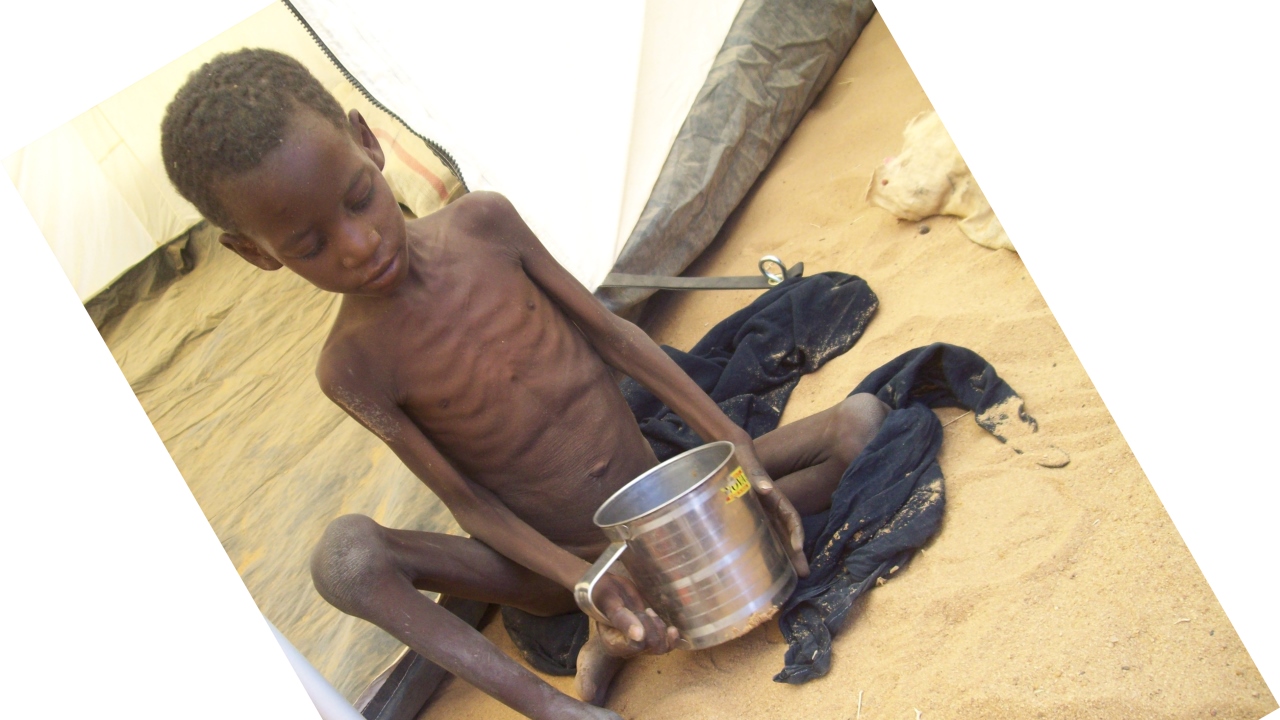
Helping malnourished children to flourish in the Sahel 15/02/16
Malnutrition hampers children’s physical and mental development, leaving them in an extremely fragile state of health. Handicap International is responding to the particularly acute problem in the Sahel. Over the next two years, the organisation intends to limit the impact of malnutrition in Mali, Burkina Faso and Niger, to ensure that children in the Sahel can grow up in the best possible health.
- Mali
- Burkina Faso
- Niger
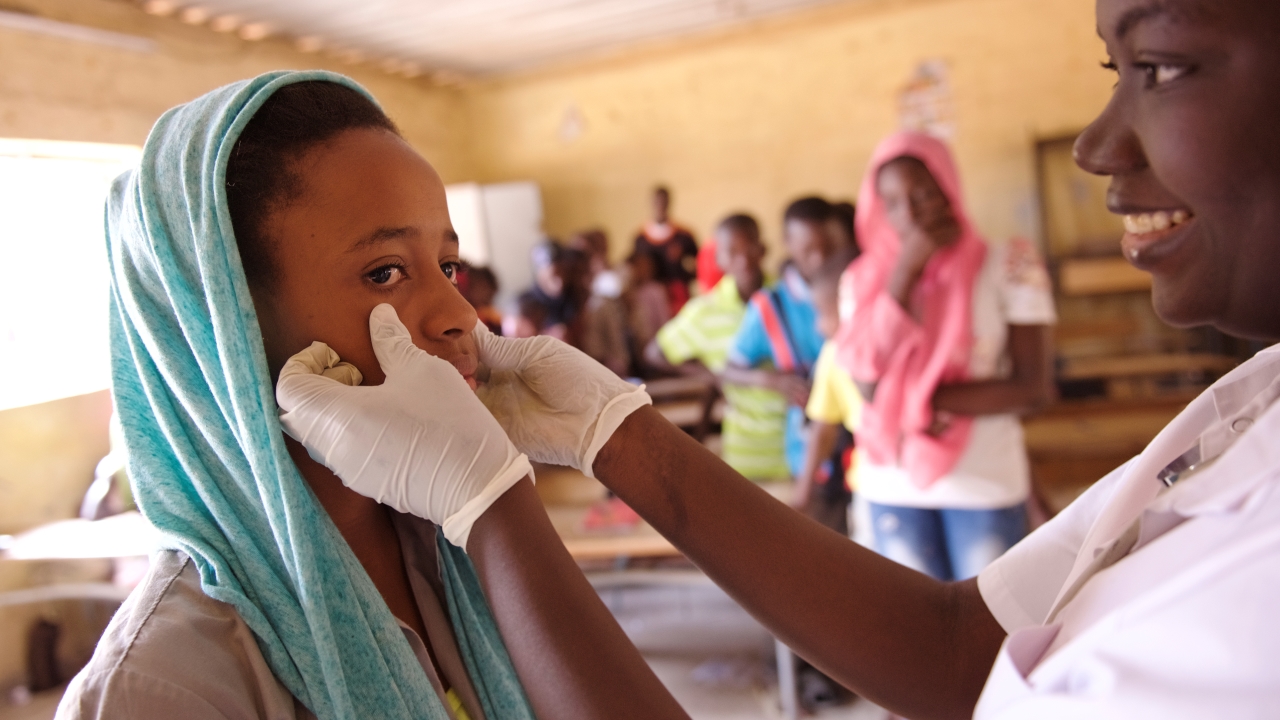
Senegal: Ensuring no school children are left behind 15/02/16
Since 2014, Handicap International has been running an inclusive education project in Senegal in the regions of Dakar and Ziguinchor. One of the project’s flagship initiatives is to provide medical consultations in primary schools for the early screening of pathologies which might lead to a delay in learning or even to the affected children dropping out of education. Adama Awa Ba, 12 years old, is one of the programme’s first beneficiaries.
- Senegal
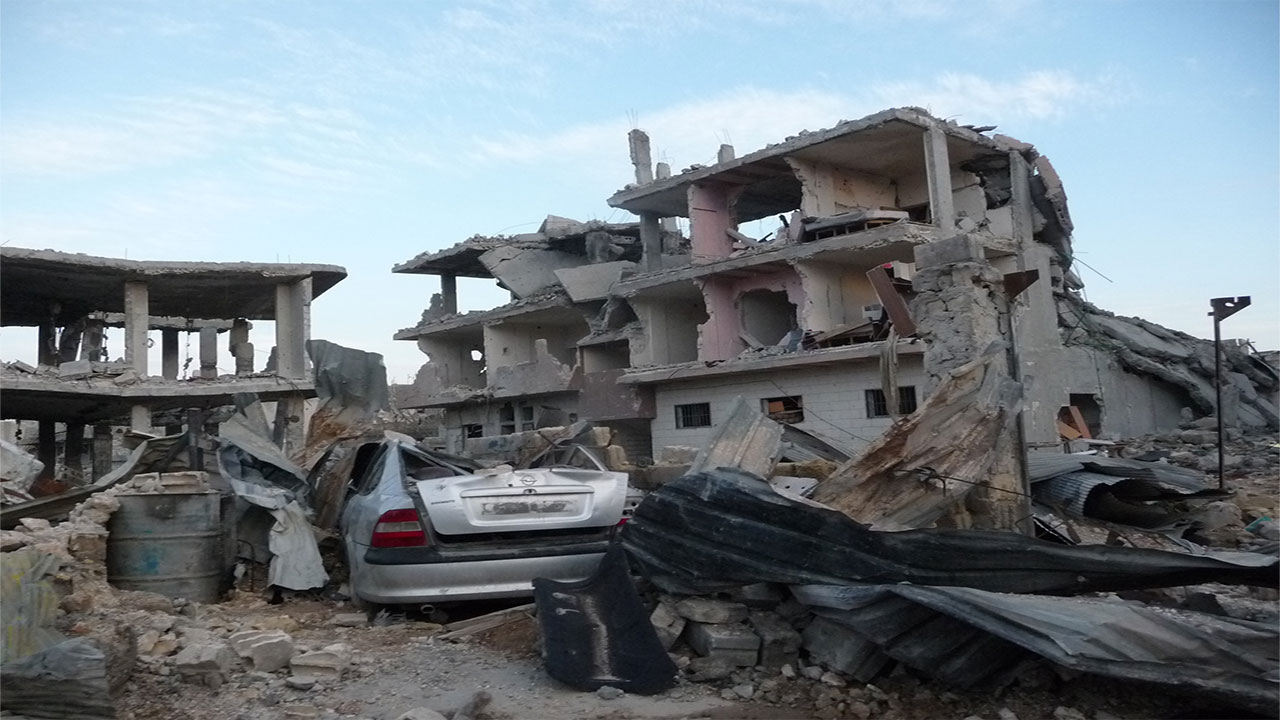
UN Security Council Open Debate on protection of civilians: Governments should recognize impact of explosive weapons 18/01/16
A UN Security Council Open Debate on Protection of Civilians in Armed Conflict will be held on 19th January 2016. Handicap International urges States to take action against the use of explosive weapons in populated areas, which killed or injured 32,000 civilians in 2014.[1]
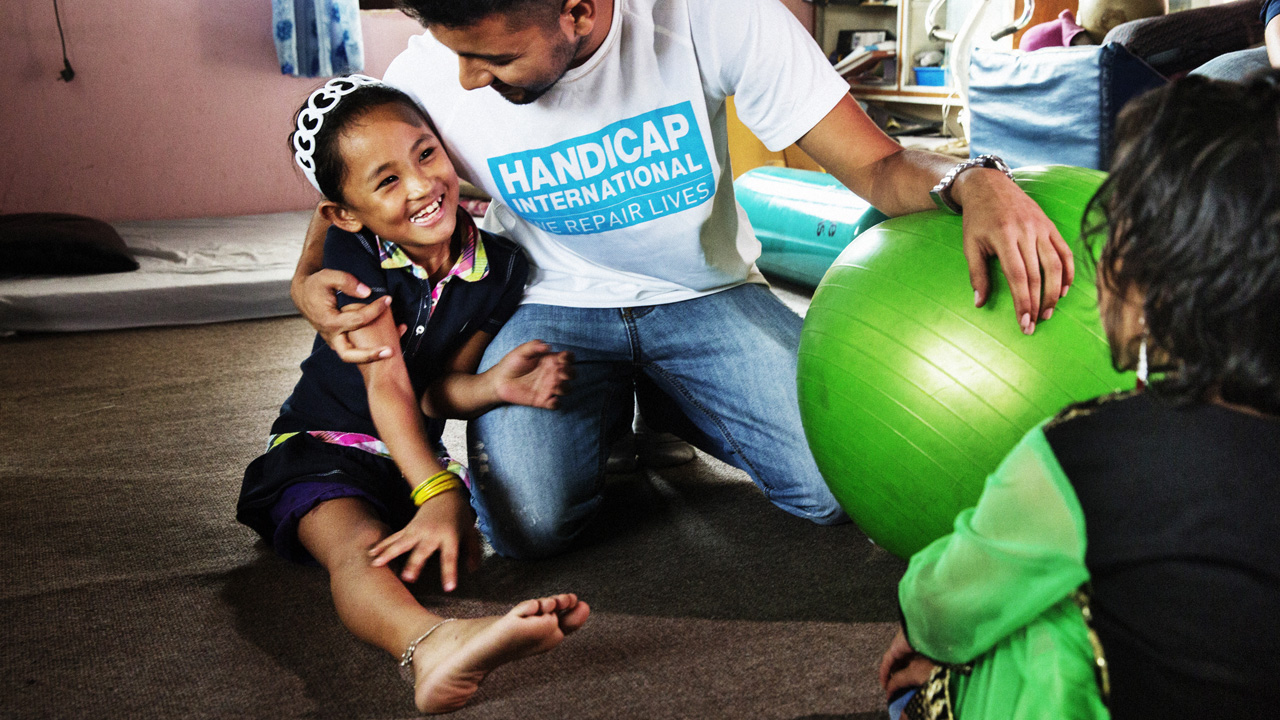
Khendo, 8: I have a new leg, but I worry about losing the other 11/01/16
On 25 April 2015, Nepal was rocked by an earthquake, affecting 8 million Nepalese people. Khendo, 8 years old, lost her leg in the disaster. After more than six months of rehabilition sessions with Handicap International, she received a prosthesis and can now walk again. Khendo will soon return to school.
- Nepal
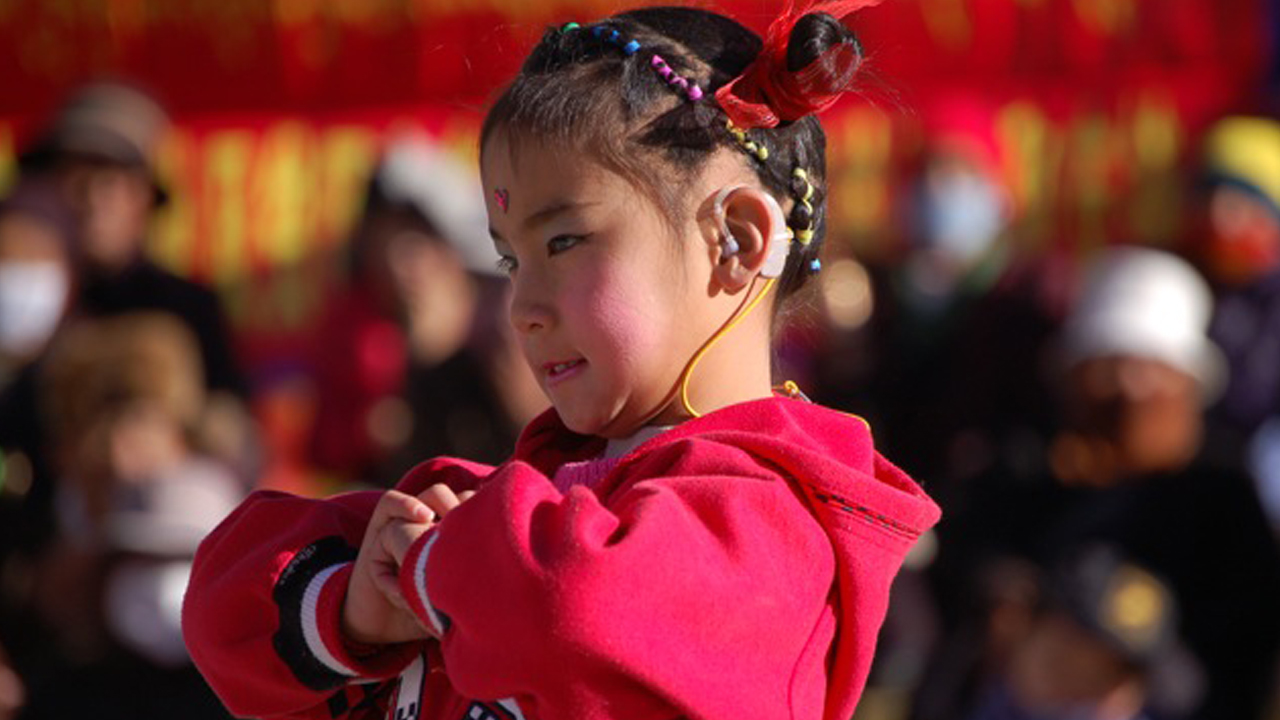
Handicap International in Tibet: an operation spanning 15 years 11/01/16
Handicap International began working in the Tibet Autonomous Region - where its many projects were designed to promote the social inclusion of people with disabilities - in 2000. In mid-2015, the organisation withdrew from the region and entrusted the follow-up of its projects to its former local partner, the Tibet Disabled Persons' Federation.
- China (no longer active)
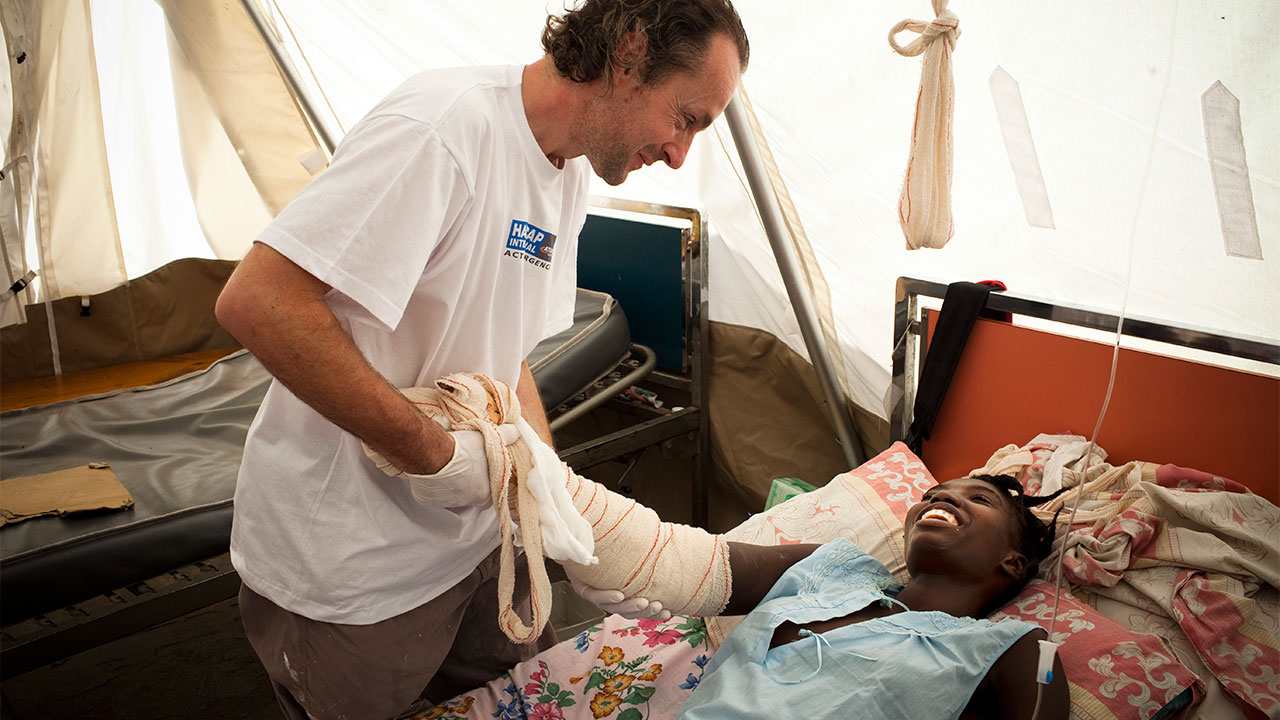
Six years after the earthquake, Handicap International is still working with the Haitian people 11/01/16
On 12th January 2010, an earthquake devastated Haiti, killing over 230,000 people and injuring over 300,000. In order to help the victims, Handicap International deployed resources on an unprecedented scale. Today, the organisation is continuing its work with the Haitian people.
- Haiti
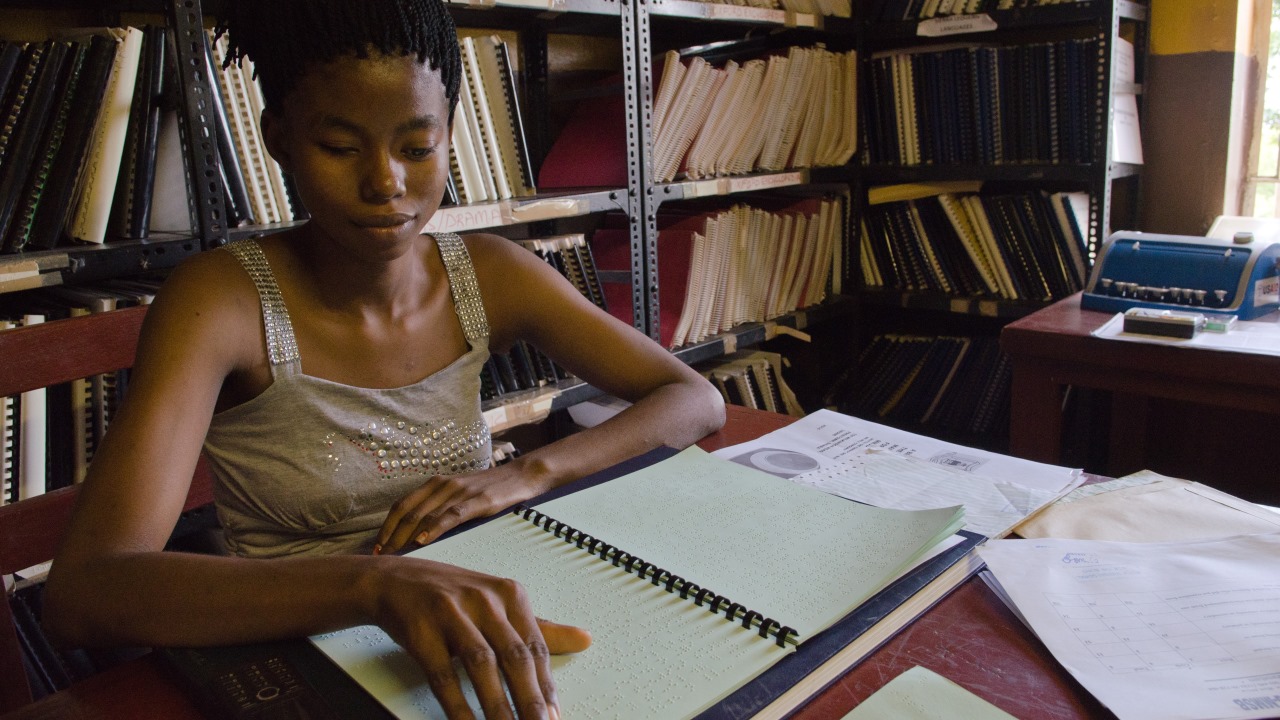
Saving lives through Ebola awareness 28/12/15
At the start of the Ebola outbreak in Sierra Leone, many people with disabilities did not know about Ebola because the national public awareness campaign did not share information in formats they could understand.
Handicap International, present in Sierra Leone since 1996, stepped in to ensure people with different kinds of disabilities knew how to prevent the disease.
- Sierra Leone

Mine detection dog handler, a real passion 23/12/15
‘This is not something you can do if you aren’t passionate about it’. This was the first thing Jonathan Matambo said to me, the mine detection dog handler who joined Handicap International’s demining team in Casamance, Senegal, last September. The 33-year old divides his time between his family, who live in Harare, Zimbabwe, and his two explosive detection dogs, Katja and Rex.
- Senegal