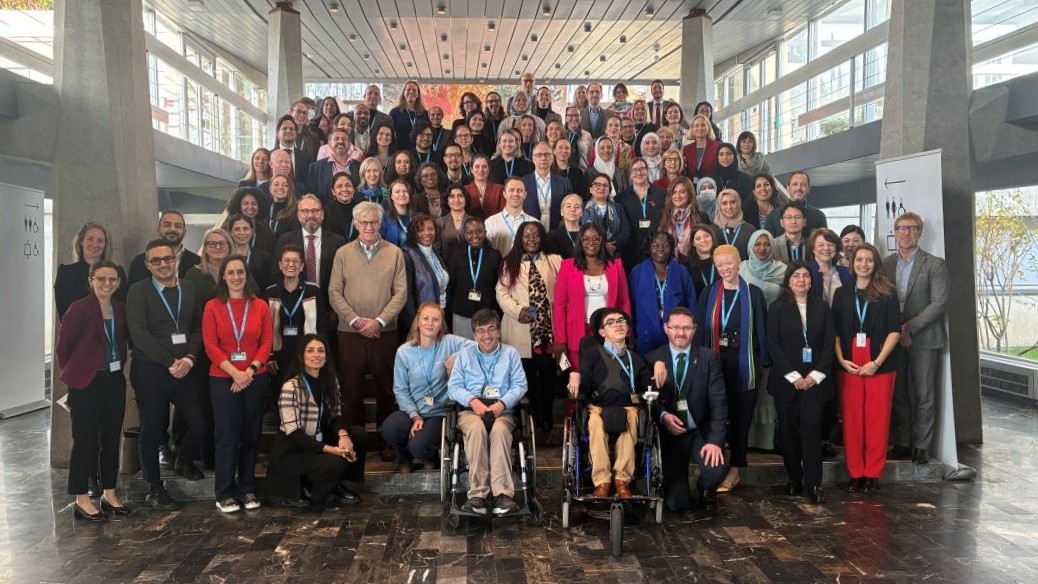
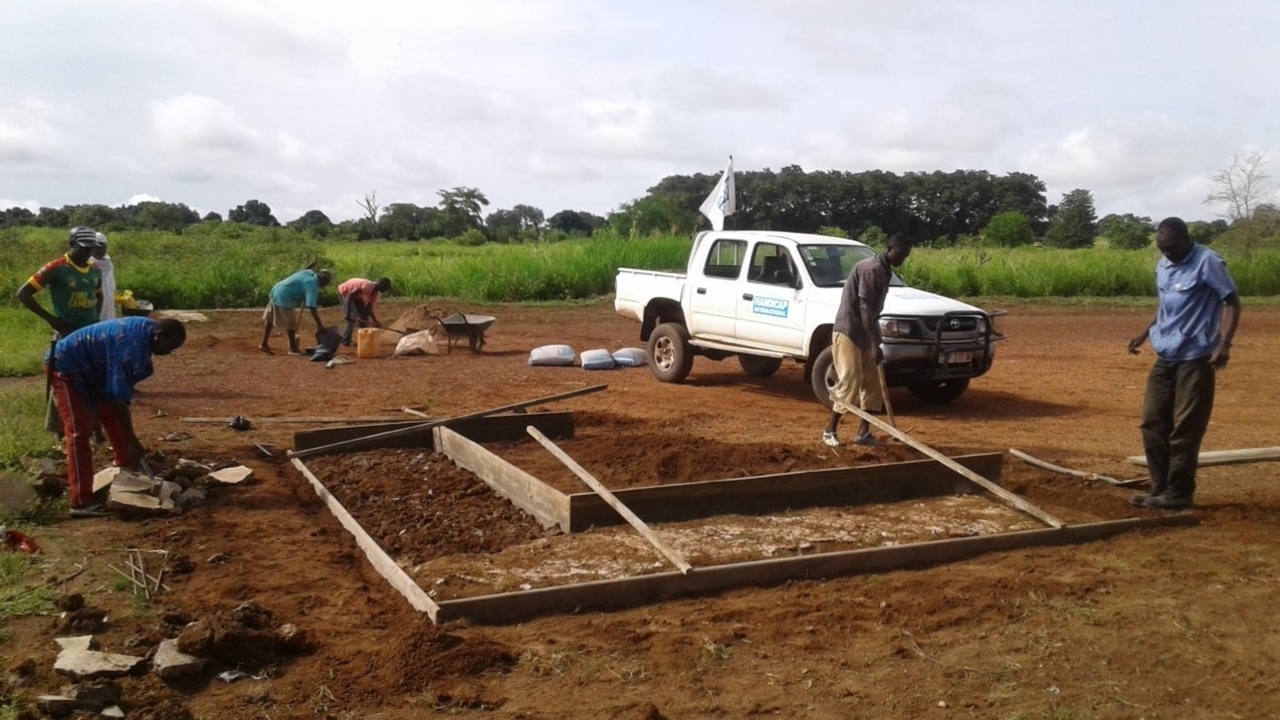
Handicap International mobilises more than 300 workers to reopen CAR airstrip 07/09/17
Since 2012, civilians have borne the brunt of chronic violence in the Central African Republic. Insecurity and the destruction or neglect of road and air facilities have severely compromised the transport of humanitarian aid.
- Central African Republic
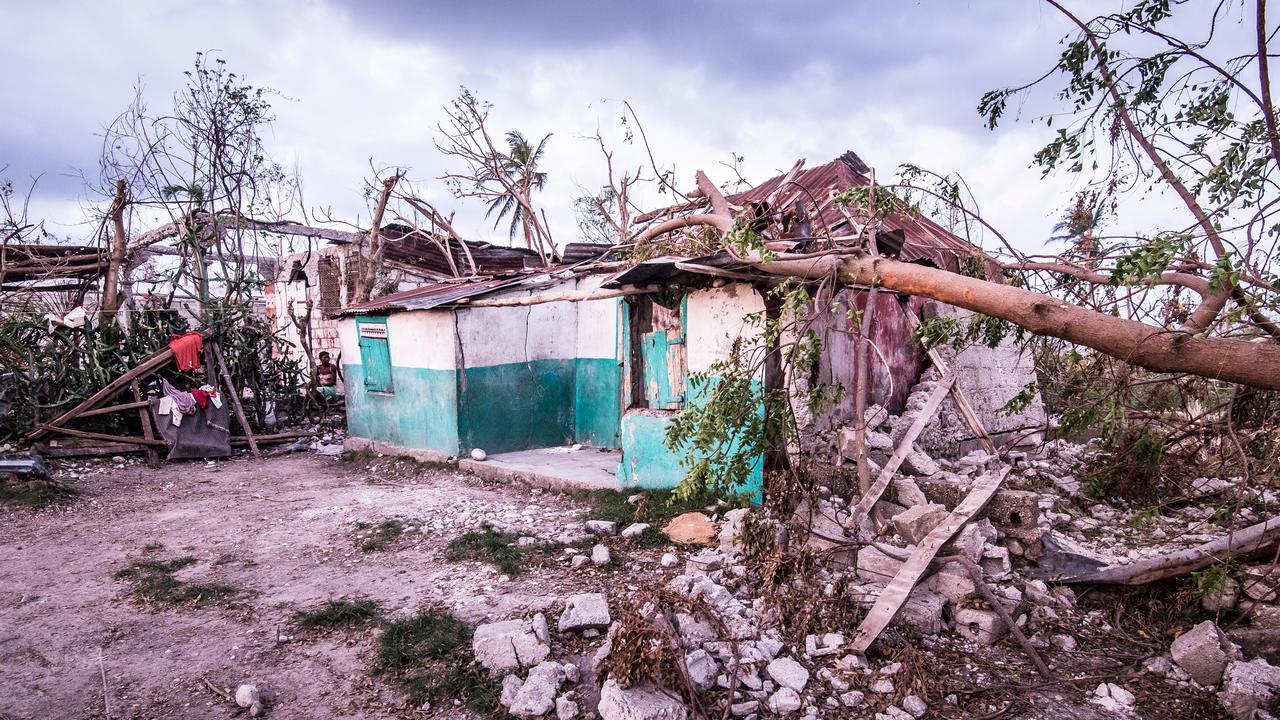
Hurricane Irma: Handicap International on standby in Haiti 06/09/17
Hurricane Irma could make landfall in Haiti late on Thursday 7th September. Already present in Haiti, Handicap International’s teams are on high alert as they prepare to respond to the disaster.
- Haiti
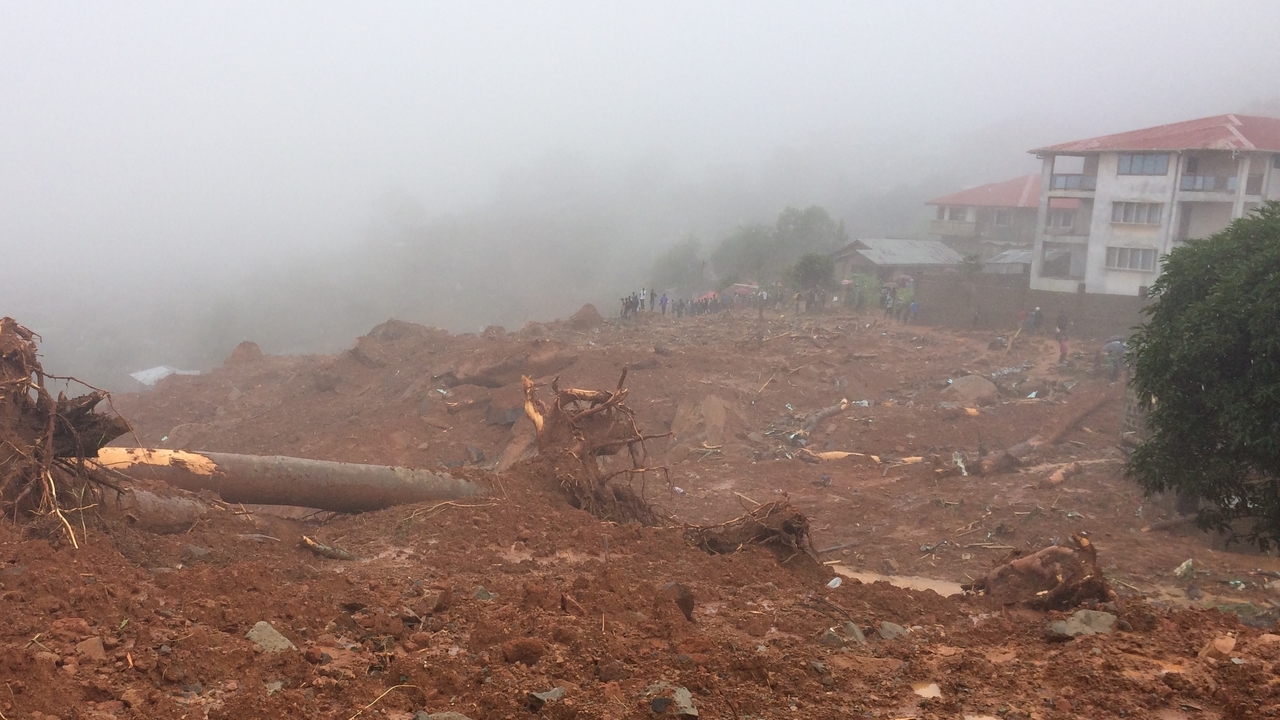
Handicap International helps victims as death toll from Freetown mudslides rises 30/08/17
At least 500 people were killed by floods and landslides that hit the Sierra Leonean capital, Freetown, on Monday 14th August. A further 800 people have been reported missing. Handicap International (HI) and our partners in the region have launched an emergency response to support people in need.
- Sierra Leone
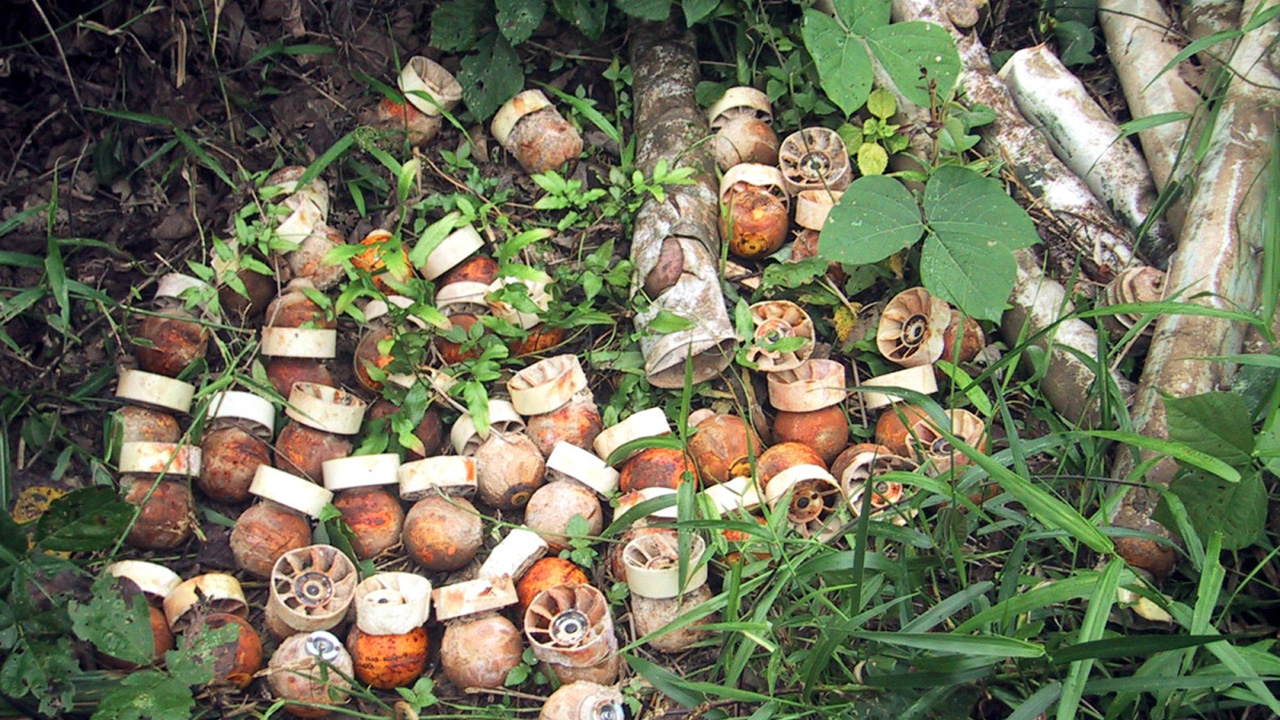
Cluster munitions: horrific weapons that massacre civilians 29/08/17
Cluster munitions have been banned since 2010 with the entry into force of the Oslo Convention, which prohibits their use, production, storage and transfer. Humanity & Inclusion has made a significant contribution to this progress. Why has the organisation committed to cluster munitions? Anne Héry, advocacy director at HI, answers questions about the impact of cluster munitions in 2017.
- International
- Laos
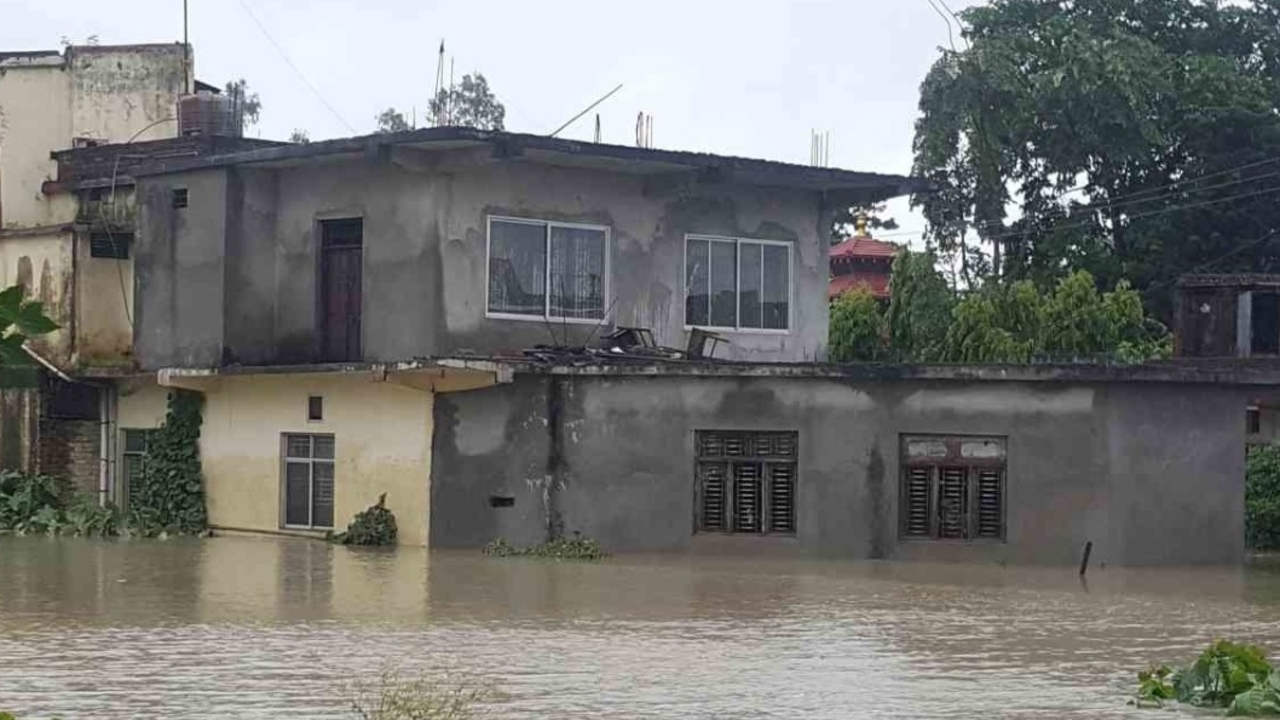
Nepal hit by worst floods in 15 years, HI on high alert 21/08/17
As floods and landslides have hit Nepal over the past five days, the death toll has reached 123 dead and at least 35 people are missing. The southern part of the country is the most affected. Thousands of houses have been inundated across the Terai province and 80% of the arable land has been destroyed. 600,000 people are affected - Handicap International’s local teams are evaluating how we can help.
- Nepal
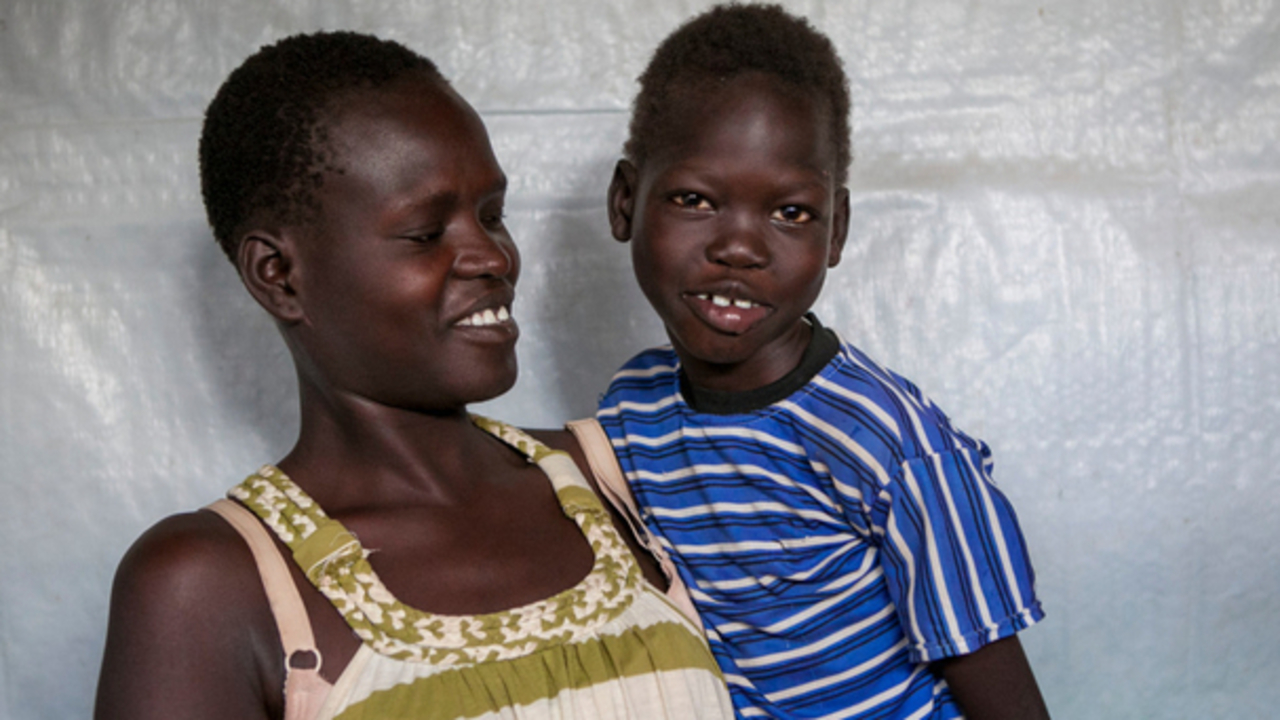
1 million South Sudanese refugees in Uganda 17/08/17
Since the outbreak of civil war in South Sudan in 2013, Uganda has offered a place of safety to people fleeing from the conflict. On 15th August, the Government of Uganda and the UN Refugee Agency announced that the staggering threshold of 1 million South Sudanese refugees has now been reached. Handicap International (HI) will launch activities to support new arrivals in Uganda this September.
- South Sudan
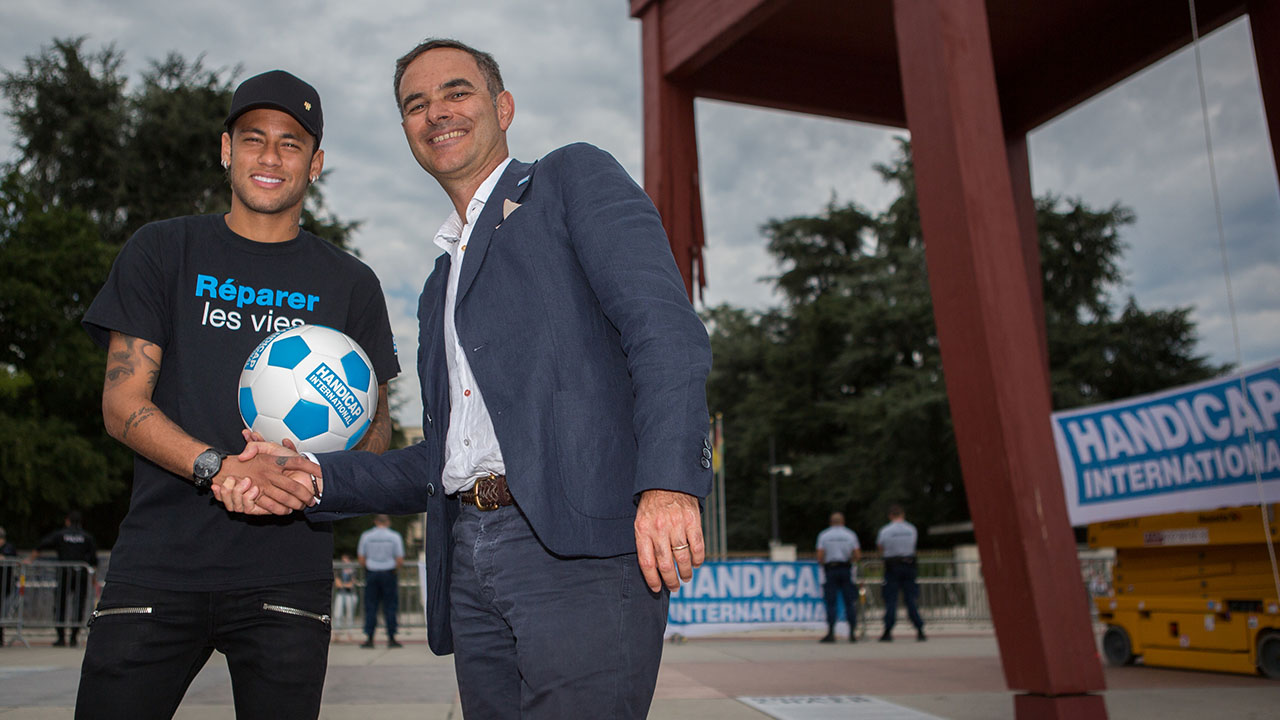
Neymar Jr. becomes Handicap International ambassador 15/08/17
The Brazilian football player Neymar Jr. became the new ambassador of Handicap International on 15th August 2017. An event was organised in Place des Nations in Geneva to mark the occasion. Through this partnership, Neymar is using his huge fame for a good cause: to support the most vulnerable people in the world, people with disabilities in poor countries, victims of conflicts and natural disasters.
- United Kingdom
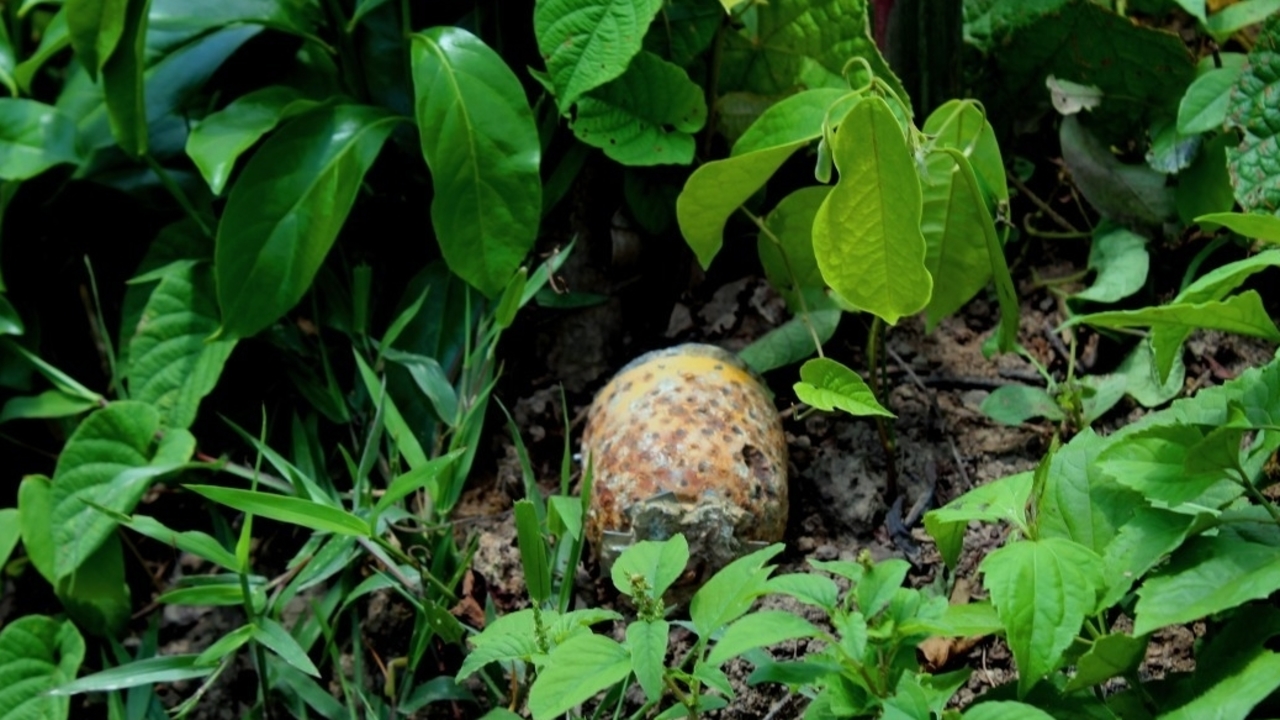
Cluster munitions still in use seven years after ban came into force 01/08/17
The Oslo Convention banning the use, production, stockpiling and transfer of cluster munitions entered into force seven years ago, on 1st August 2010. Despite the undeniable success of the convention, which has been signed by 119 countries, cluster munitions are still used intensively and repeatedly in Yemen and Syria.
- Yemen
- Syria

Injured, hungry, and relieved: Refugee crisis in South Sudan 27/07/17
The refugee crisis in South Sudan is one of the most alarming humanitarian situations in the world. Millions of South Sudanese are fleeing from brutal violence and extensive food insecurity. 86% of those who seek safety in neighbouring countries are women and children, including at least 75,000 children who have become separated from their families, many of whom are in poor health.
- South Sudan
- Kenya
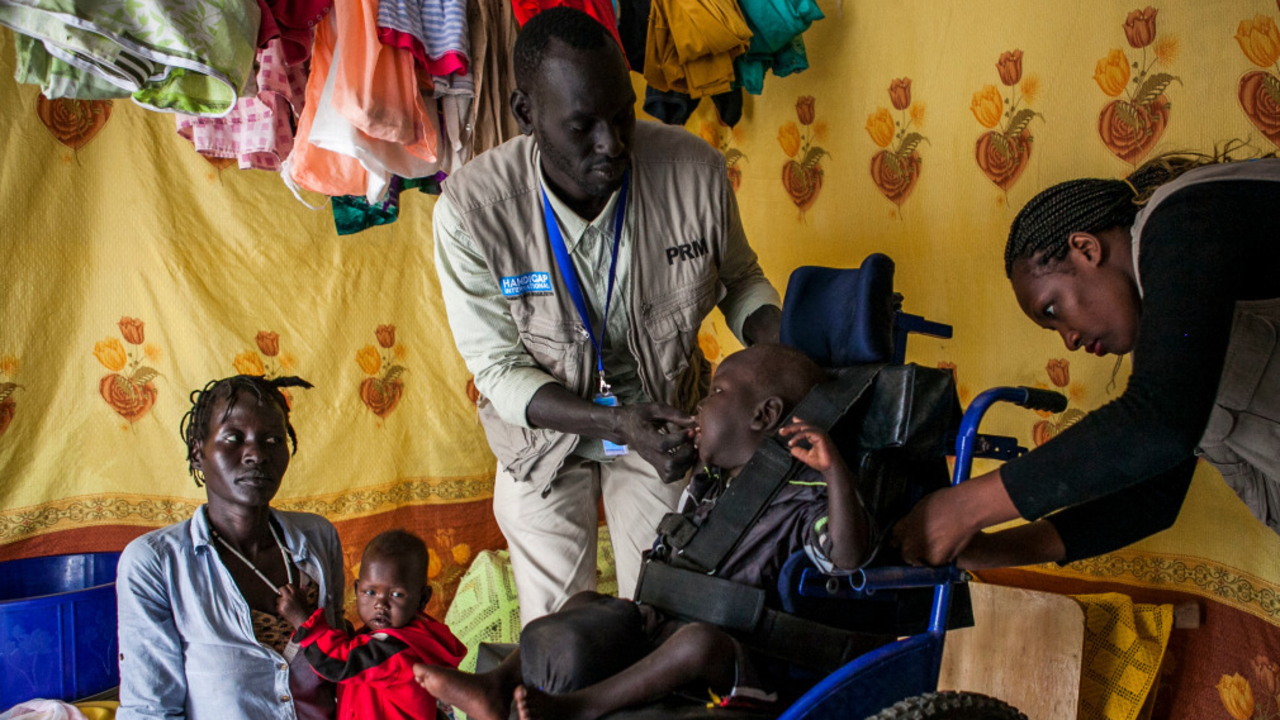
Including children with disabilities in humanitairan aid 27/07/17
In crisis situations, children with disabilities are often excluded from humanitarian assistance. Handicap International and UNICEF are working together to confront this problem. A toolkit of expert technical guidance has been launched to help all humanitarian actors improve their responses.
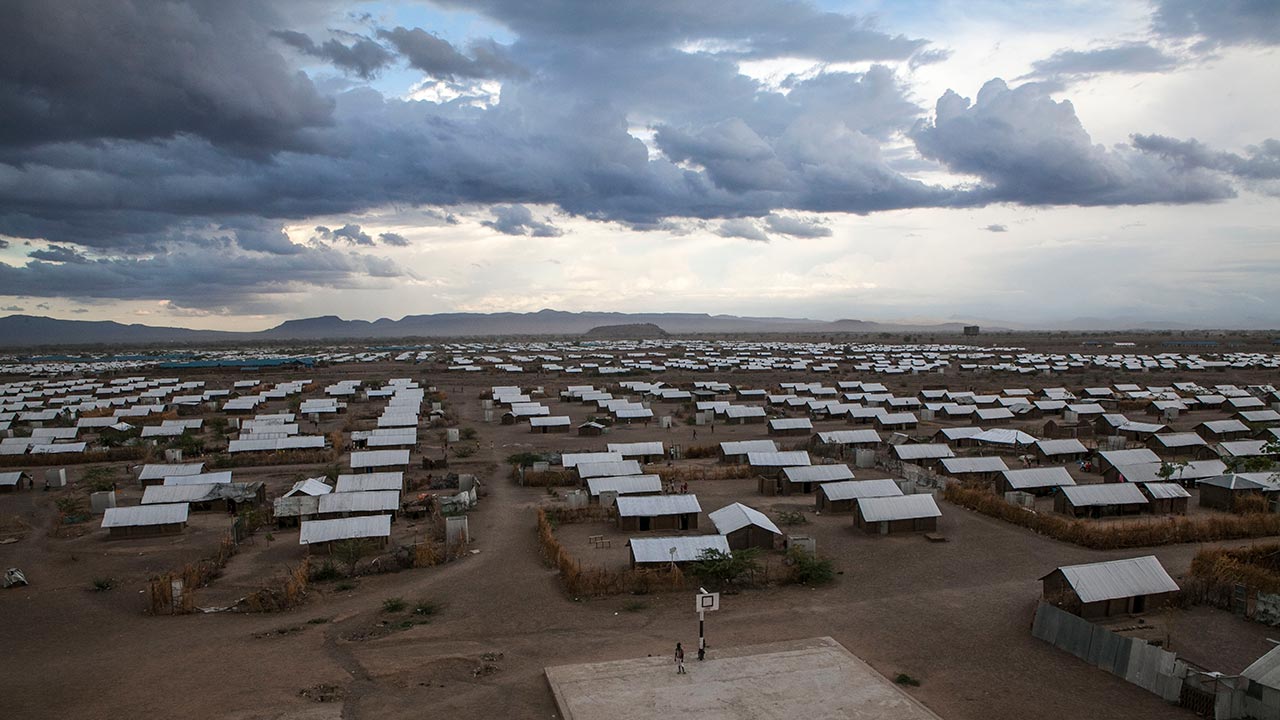
Seeking refuge in Kakuma camp, Kenya 27/07/17
A new photo report telling the stories of South Sudanese and Somalian refugees in Kakuma, Kenya.
- Somaliland
- South Sudan
- Kenya
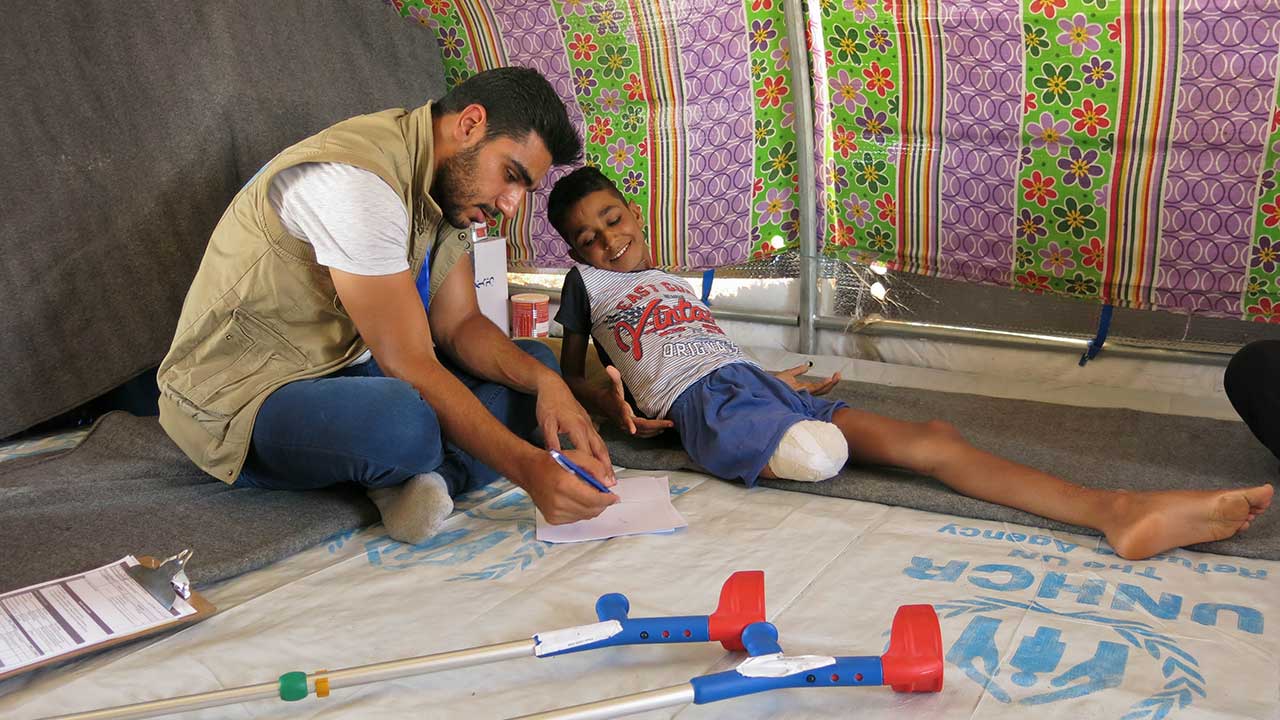
Incredible new videos from our rehabilitation team in Iraq 27/07/17
New videos give amazing insight into the work of our teams supporting disabled and vulnerable people who fled the fighting in Mosul.
- Iraq
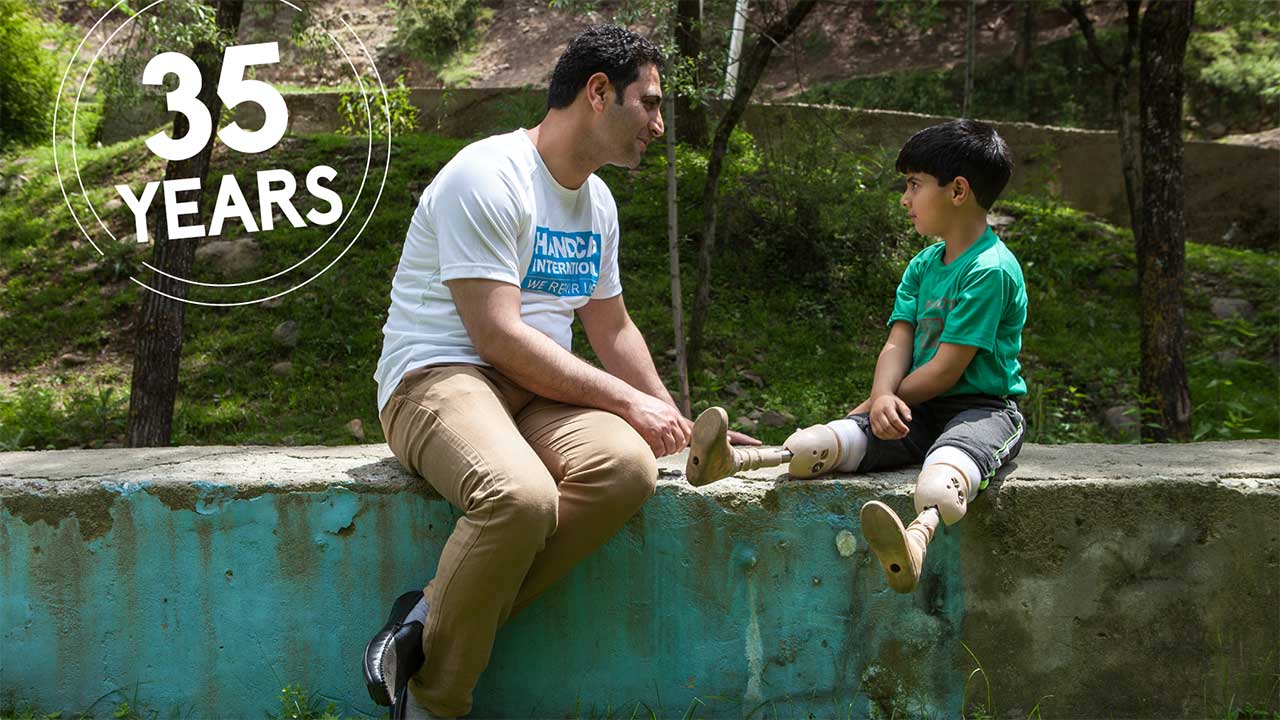
A big thank you to our supporters on HI's 35th anniversary 19/07/17
To celebrate Handicap International turning 35, we've made a video message for our supporters around the world.
- United Kingdom
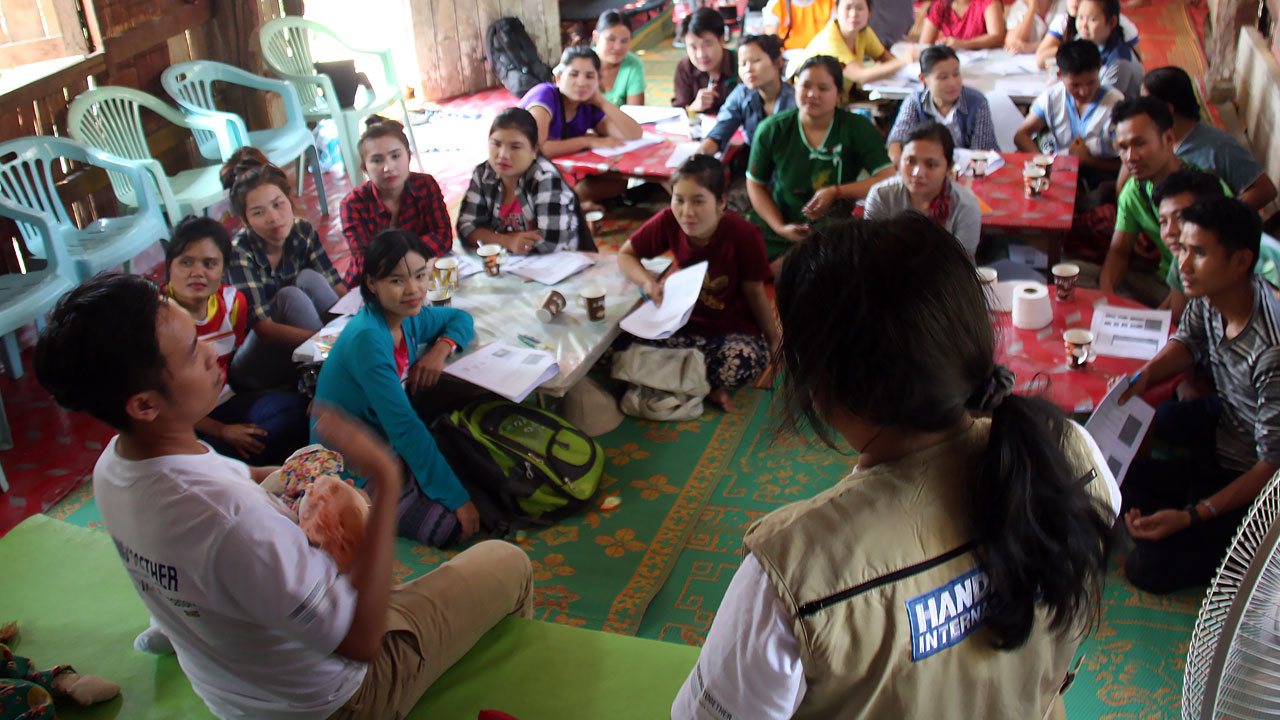
Growing Together: The importance of play in refugee camps 19/07/17
With support from the IKEA Foundation, Handicap International is enabling 13,000 children in refugee camps in Pakistan, Bangladesh and Thailand to learn and develop through play in a safe environment. The organisation is training parents and community volunteers to stimulate children from infancy.
- Thailand
- Bangladesh
- Pakistan
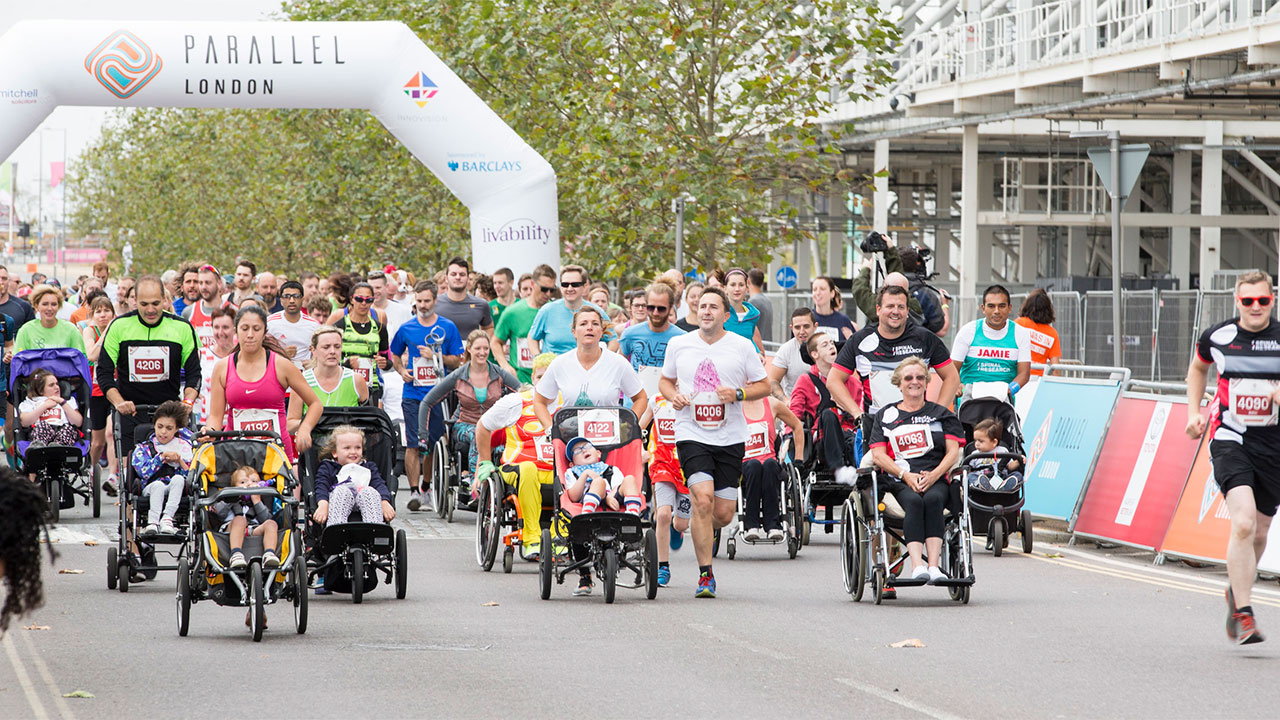
Parallel London: Celebrate inclusion while raising life-changing funds 17/07/17
Taking place in London’s Queen Elizabeth Olympic Park in September 2017, Parallel London is the world’s first fully accessible, inclusive fun run. Run it, walk it, push it, or be pushed. Anything goes!
- United Kingdom