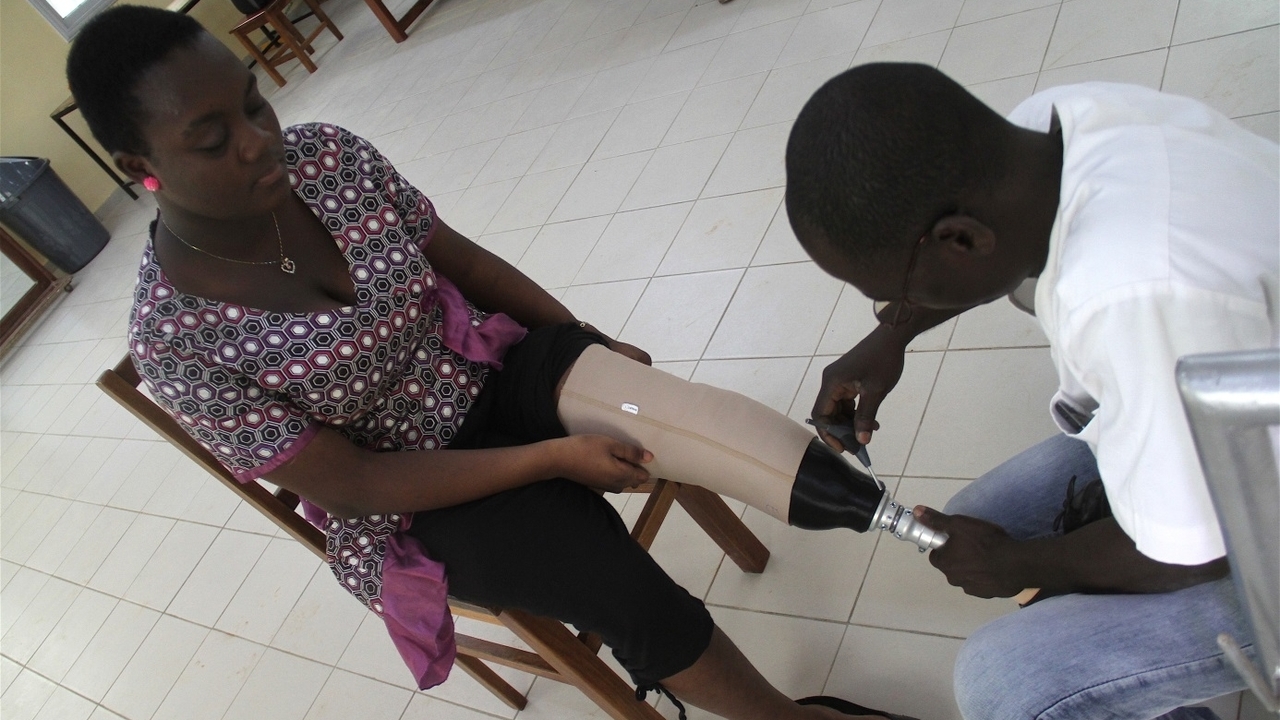
Print a limb: encouraging results using 3D printed prosthetics 05/05/17
Handicap International has been testing whether computer assisted design and 3D printing can improve access to high-quality artificial limbs. As the first clinical trials conclude, we are pleased to announce positive results and the launch of the next phase of this cutting edge research.
- Madagascar
- Togo
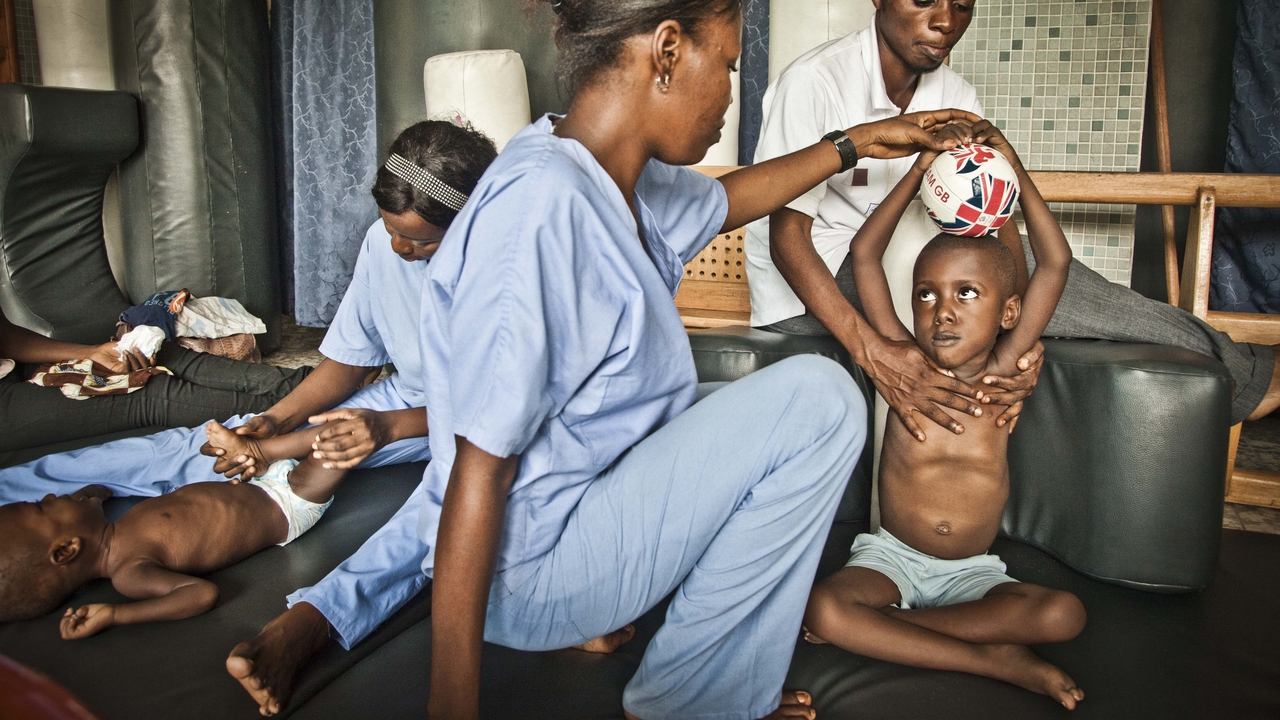
Treating malnutrition: lifesaving physiotherapy in response to East Africa food crisis 26/04/17
820,000 children in South Sudan, Somalia, Uganda and Ethiopia are expected to suffer from severe acute malnutrition in 2017. Handicap International’s pioneering treatment methods will help to ensure that they recover and thrive.
- South Sudan
- Ethiopia
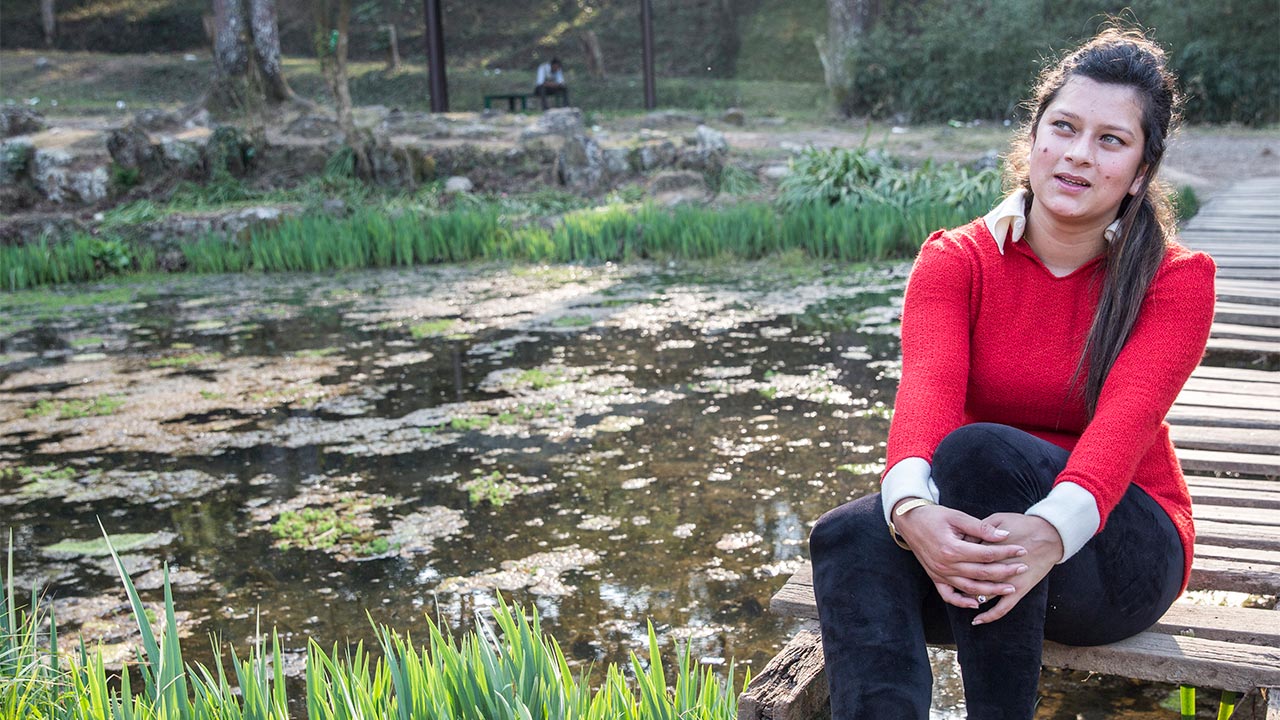
The impact of your support, two years on from the Nepal earthquake 24/04/17
Handicap International's team took immediate action following the earthquake that struck Nepal on 25th April 2015. Two years on, we review the incredible impact we were able to make, thanks to our donors.
- Nepal
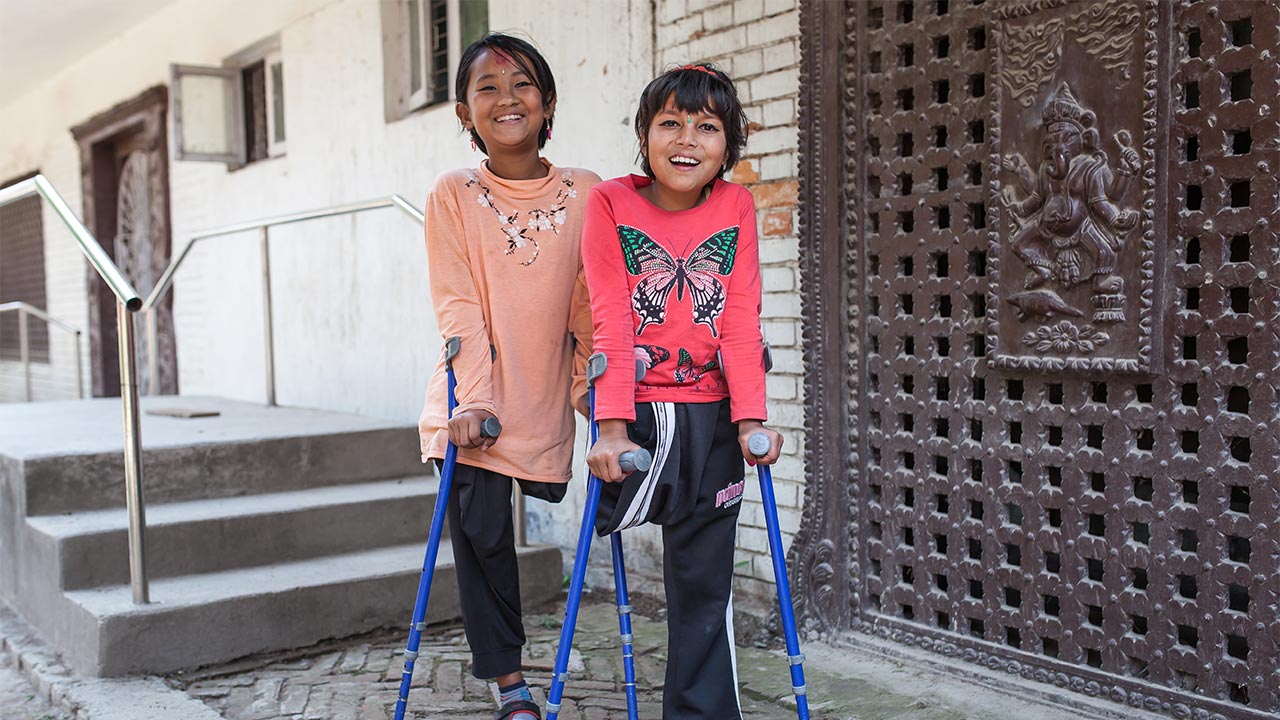
“They are inseparable”: Nirmala and Khendo, 2 years after the Nepal earthquake 24/04/17
Nirmala, 9, and Khendo, 10, both had limbs amputated after being injured in the huge earthquake which hit Nepal on 25th April 2015. Humanity & Inclusion's team has provided them with ongoing rehabilitation care and prosthetic legs. With the right support, two years later the girls are both walking and back at school. Their transformation has been amazing.
- Nepal
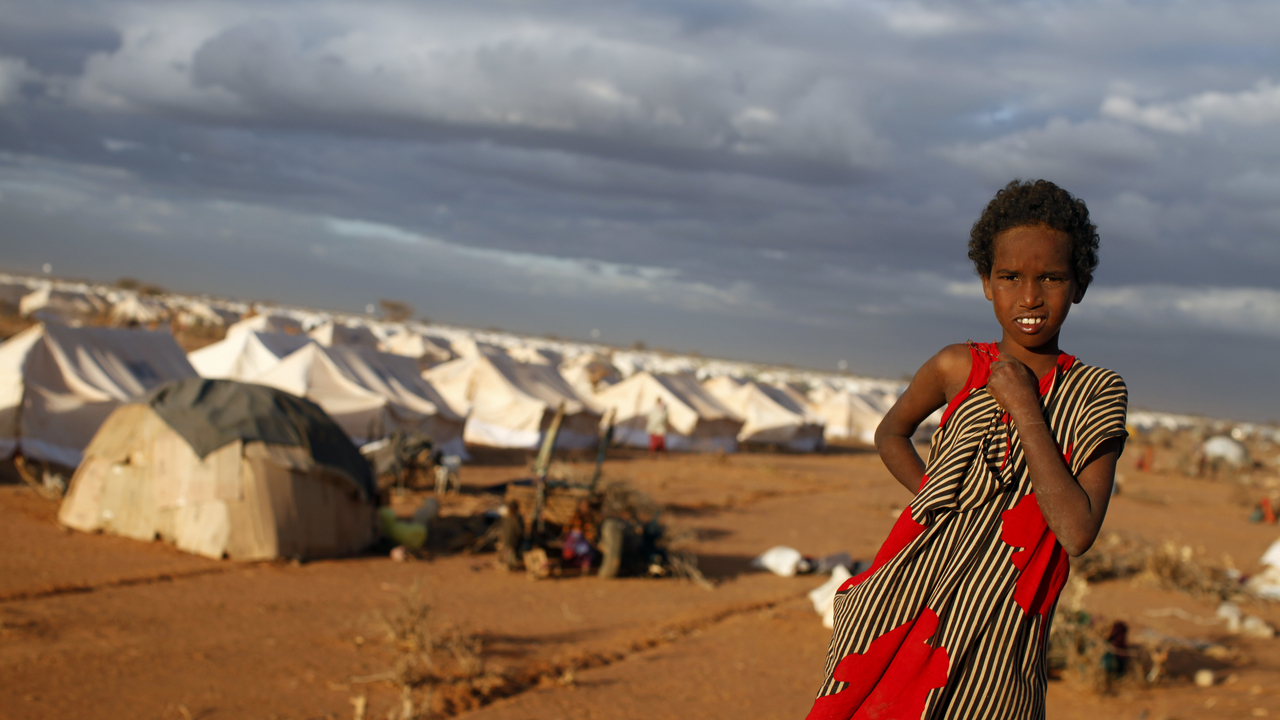
East Africa Food Crisis: The view from the ground 20/04/17
A severe food crisis is advancing across East Africa, Nigeria and Yemen. Xavier Duvauchelle, Handicap International’s desk officer for the East Africa region, explains the scale of the disaster and how our teams on the ground are responding.
- Somaliland
- Yemen
- South Sudan
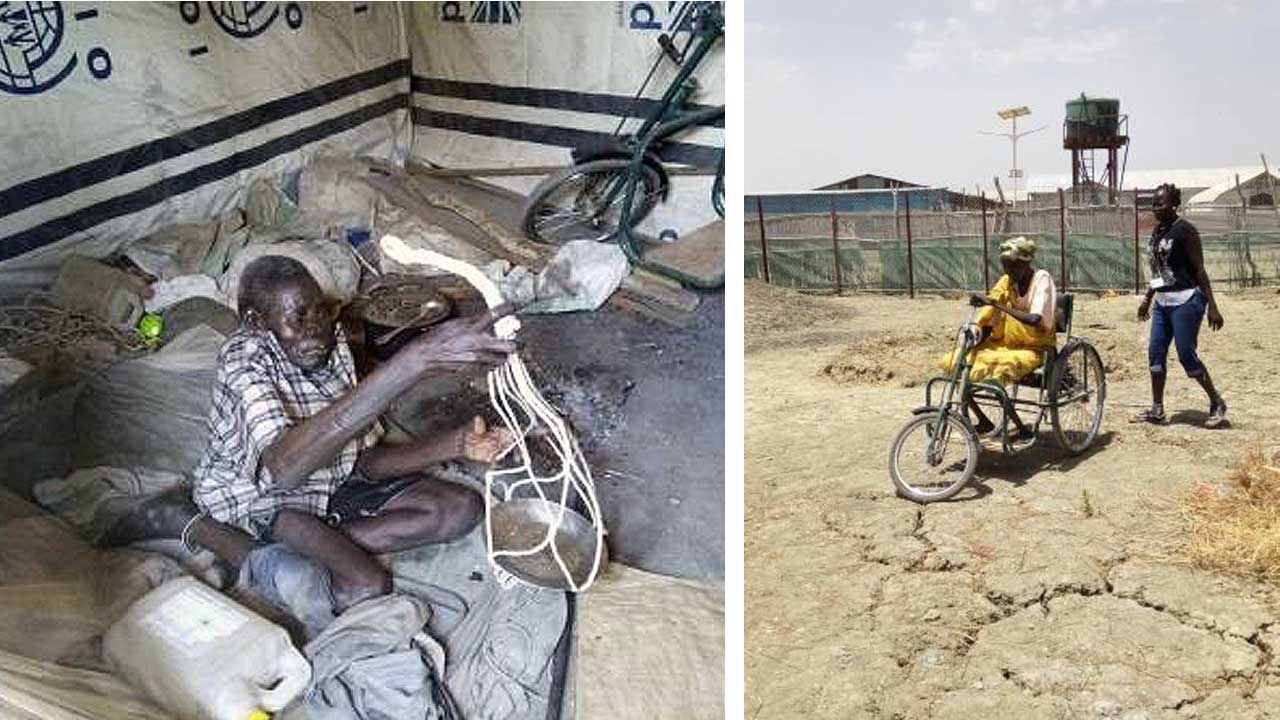
Food crisis in South Sudan: Ensuring no one is left behind 07/04/17
As the food crisis worsens across East Africa, individual stories from our programme in South Sudan remind us that caring for vulnerable people during emergencies is a moral obligation.
- South Sudan
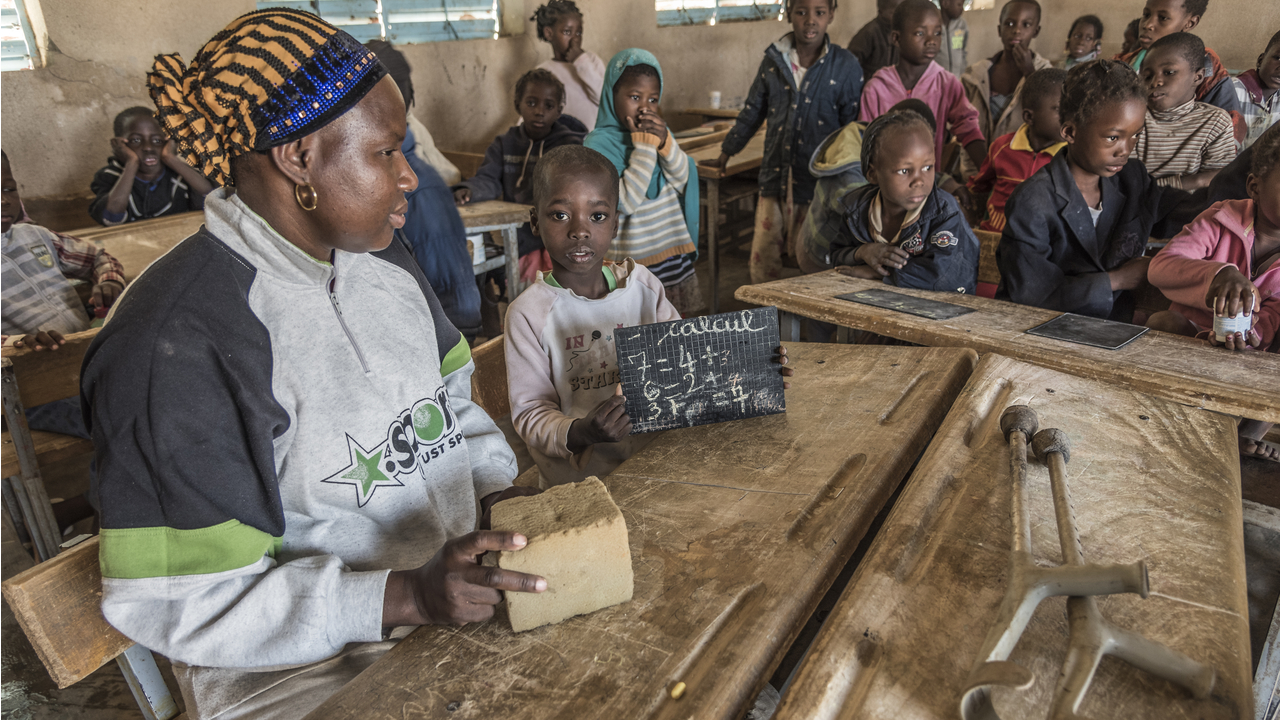
Hidden and underestimated: How children with disabilities are breaking down barriers to attend school 07/04/17
In West Africa, millions of children don’t complete their primary education and some have never been to school. Handicap International estimates that one third of these children have a disability. Our inclusive education programme runs in nine countries[i] in the region and will ensure that 170,000 children have the opportunity to learn, play, make friends and feel valued in society.
- Burkina Faso
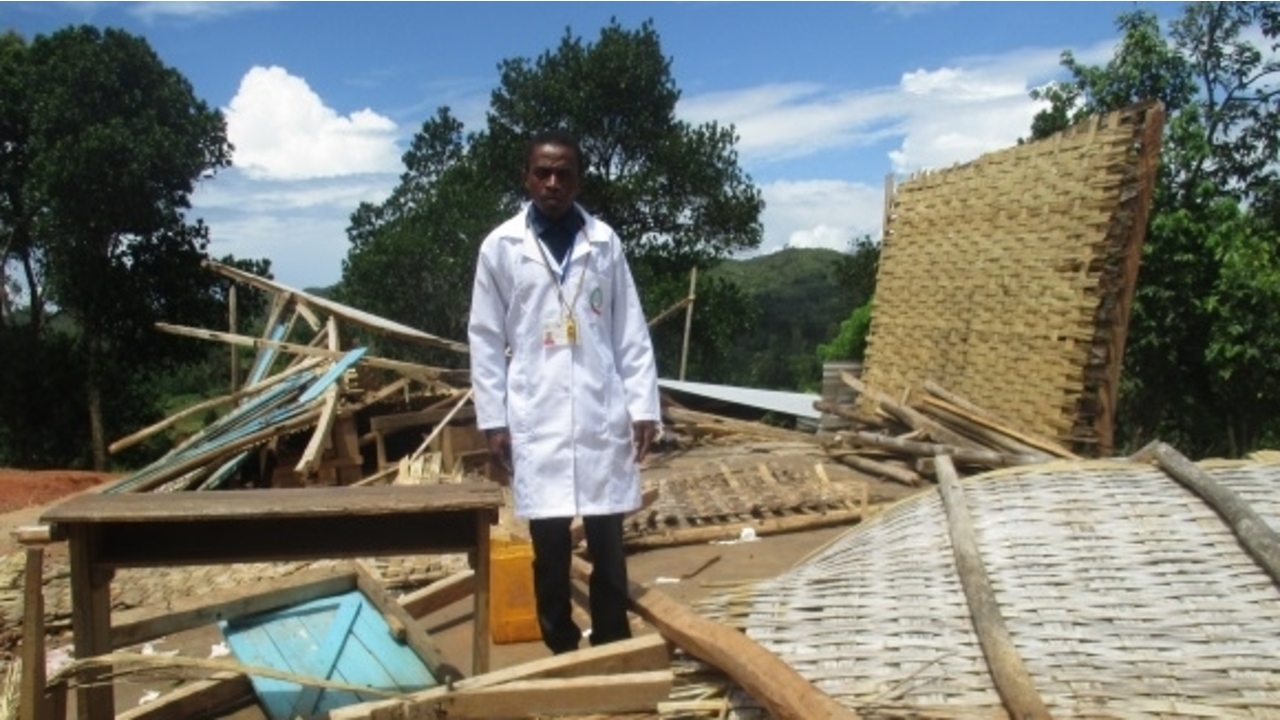
Madagascar: Handicap International to rebuild 22 schools 07/04/17
Cyclone Enawo hit Madagascar in March 2017, affecting more than 400,000 people. The storm severely damaged houses and infrastructure in the north-east of the country. Handicap International is now rebuilding 22 damaged schools in the regions of Analanjirofo and Diana to enable 8,500 students to return to their lessons.
- Madagascar
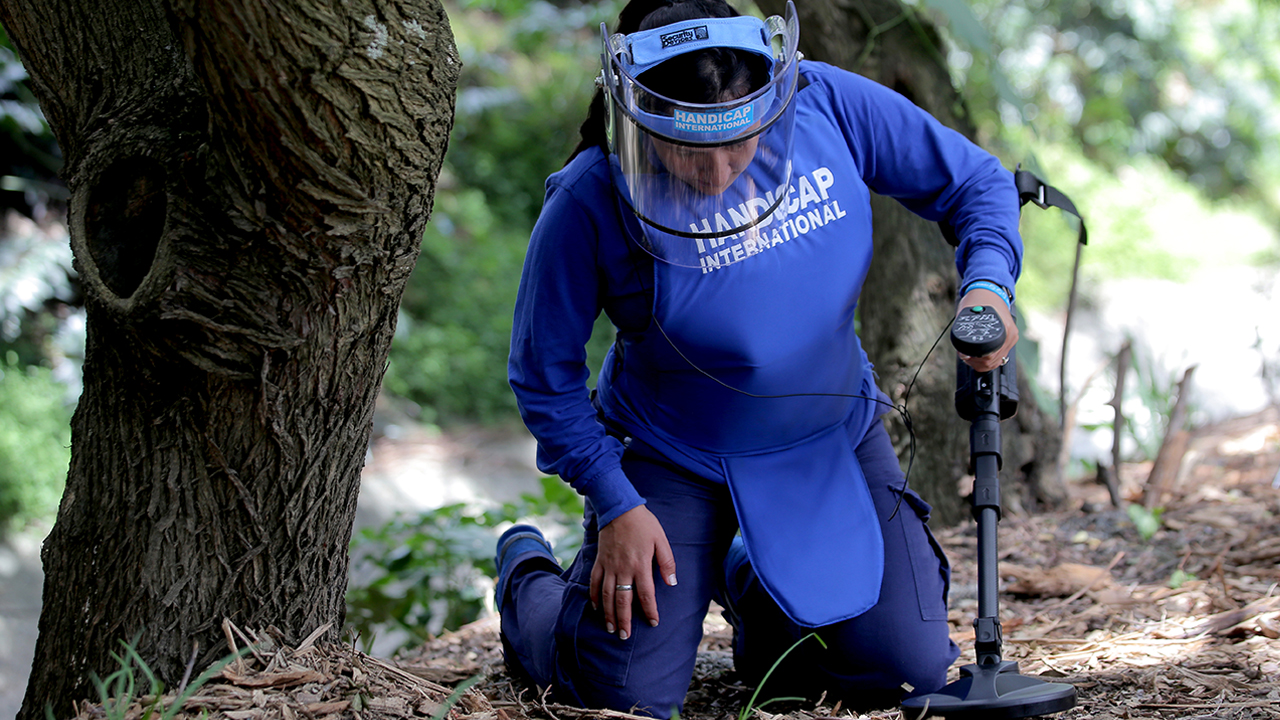
International Mine Action Day: portraits of deminers whose day job is to save lives 04/04/17
Besides killing and causing horrific injuries, explosive weapons spread terror, make people fear for their lives, devastate vital infrastructure and prolong the effect of war even after the end of a conflict. On the International Day of Mine Awareness and Assistance in Mine Action, Handicap International highlights the incredible work of deminers all over the world.
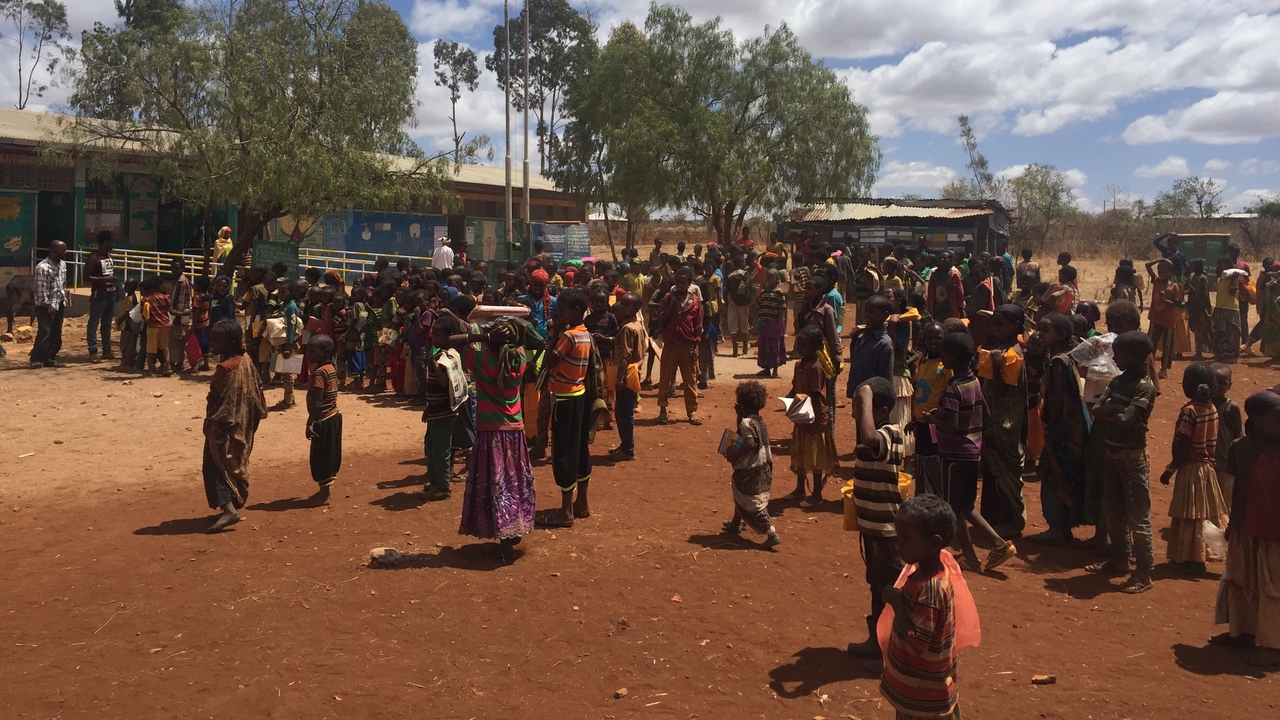
Water shortages destabilise Ethiopia and wider region 04/04/17
A major food crisis triggered by drought and conflict is affecting more than 20 million people in East Africa. Concerned by both factors, Handicap International is working in Ethiopia to ensure the most vulnerable people have access to humanitarian aid and provide malnourished children with physiotherapy.
- Ethiopia
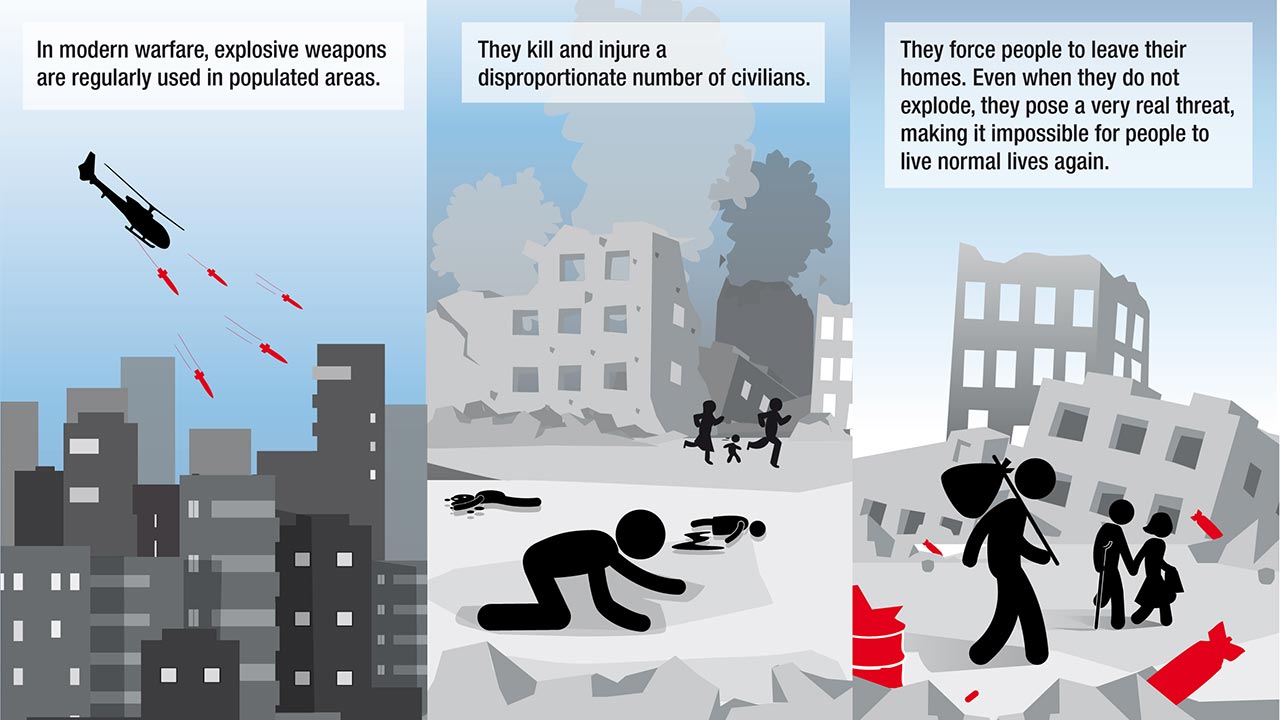
Mosul: 150 civilians killed in coalition attack 29/03/17
Handicap International condemns the heavy price paid by civilians in Mosul, Iraq. More than 150 civilians were killed in an international coalition airstrike on Mosul’s Al-Jadida district on 17th March 2017.
- Iraq
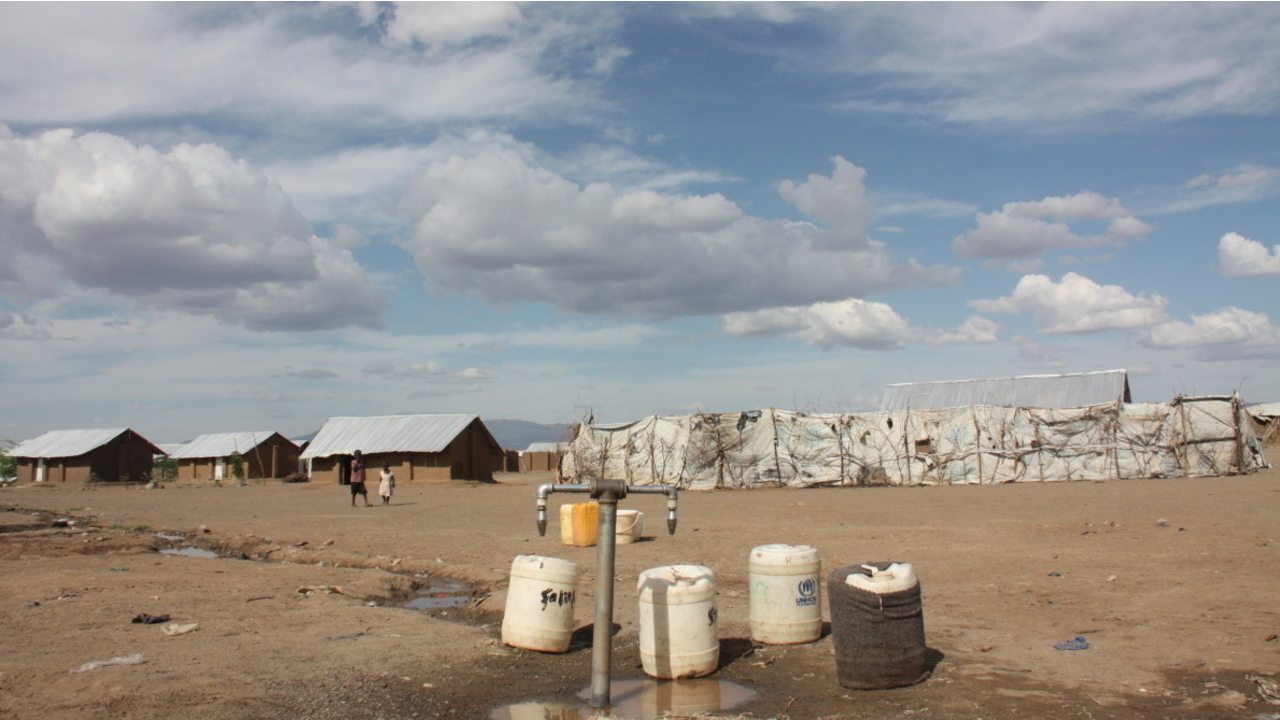
Food crisis: Preparing for the worst humanitarian crisis in 70 years 24/03/17
Twenty million people in Yemen, South Sudan, Somalia, and northeastern Nigeria have been grappling with a serious food crisis since 2016. Several East African countries have been hit by drought in recent months, including Somalia, Kenya, Ethiopia, Djibouti, Uganda, South Sudan and, to a lesser extent, Tanzania. In some countries, conflicts have caused severe food shortages. Handicap International is preparing to deal with one of the worst humanitarian crises since the Second World War.
- Yemen
- South Sudan
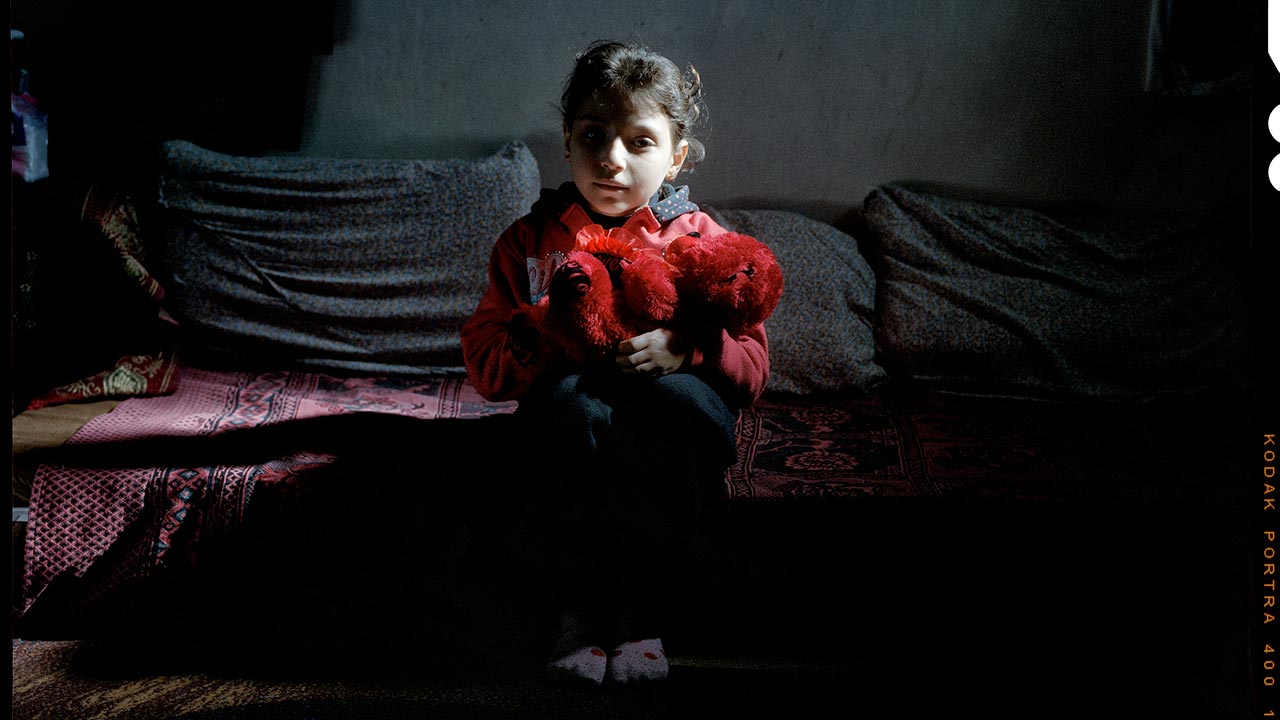
BOMBED: New exhibition gives voice to injured Syrians 23/03/17
A new exhibition, "BOMBED", gives a voice to Syrian refugees injured by explosive weapons. People like Sondos, 8, who was injured when her school in Syria was bombed.
- Jordan
- Lebanon
- Syria

Madagascar: More than 85,000 people displaced by Cyclone Enawo 13/03/17
Cyclone Enawo, which hit Madagascar on 6, 7 and 8 March 2017, has affected some 300,000 people, including 175,000 in Antalaha district, in the northeast of the country. More than 85,000 people are still displaced from their homes. According to the authorities, the cyclone and subsequent flooding have caused extensive damage. Handicap International’s teams are preparing to assist the population.
- Madagascar

Salam, 7: Victim of a war she didn't understand 13/03/17
Meet seven-year-old Salam, a Syrian girl who was tragically injured by an unexploded weapon. After Doctors in Jordan amputated her left leg and part of her right foot, Humanity & Inclusion's team fitted her with a prosthesis and now provides her with regular physiotherapy care.
- Jordan
- Syria