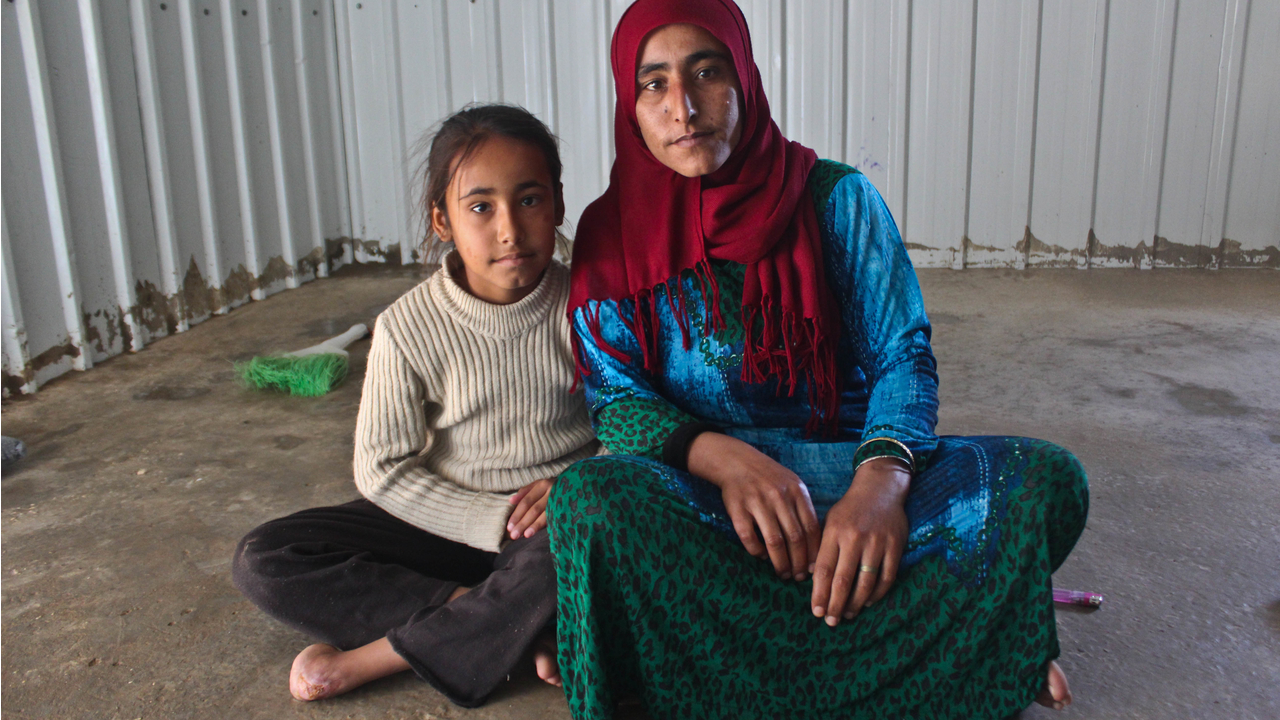
Shua'a, 9: “I will finally be able to go back to school” 07/11/16
Early in the summer of 2015, 9-year-old Shua’a and her family were caught in a bombing raid in Syria. It resulted in the amputation of her left foot. Her family now lives in Azraq camp, in Jordan. With Humanity & Inclusion's help she will very shortly be fitted with a prosthesis and will be able to walk over longer distances.
- Jordan
- Syria
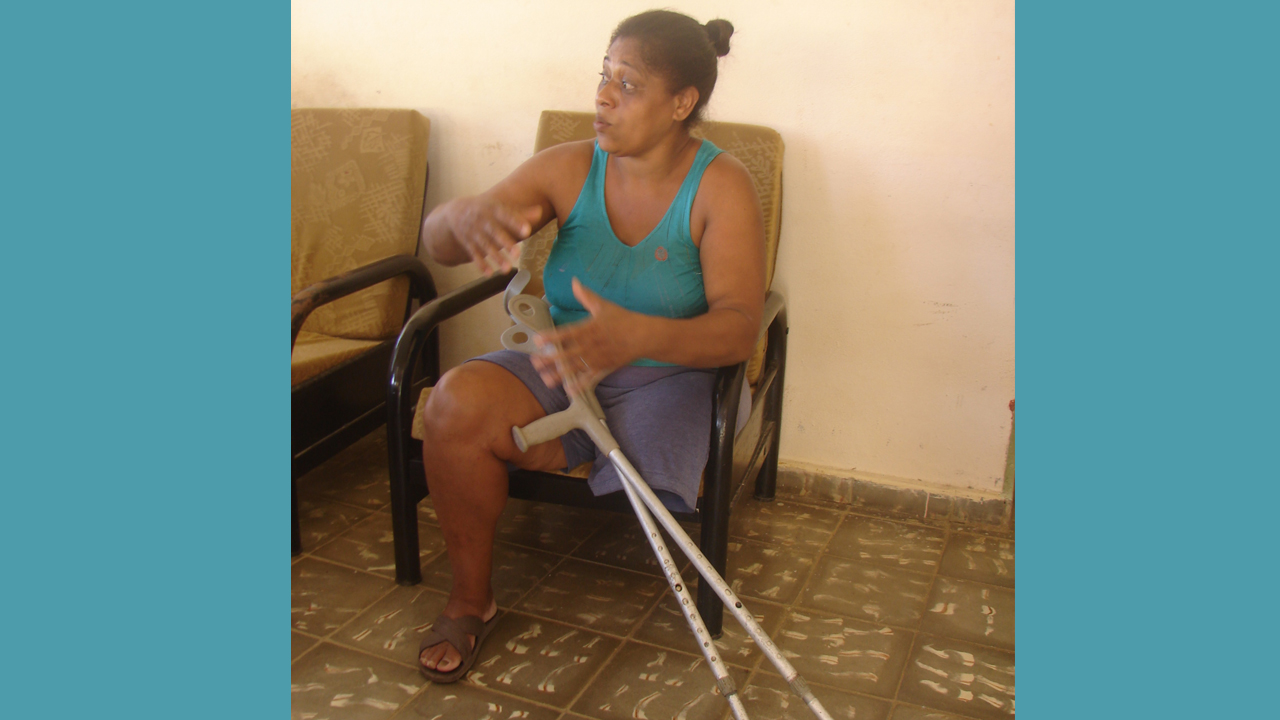
Hurricane Matthew in Cuba: people with disabilities especially vulnerable 31/10/16
Hurricane Matthew hit southeast Cuba on the night of 4th to 5th October, after making landfall in Haiti, the Dominican Republic and Jamaica. In Cuba, the hurricane had a significant impact on vulnerable people, particularly people with disabilities. Handicap International has been present in Cuba for more than 18 years and part of its work includes preparing the most vulnerable people for natural disasters.
- Cuba
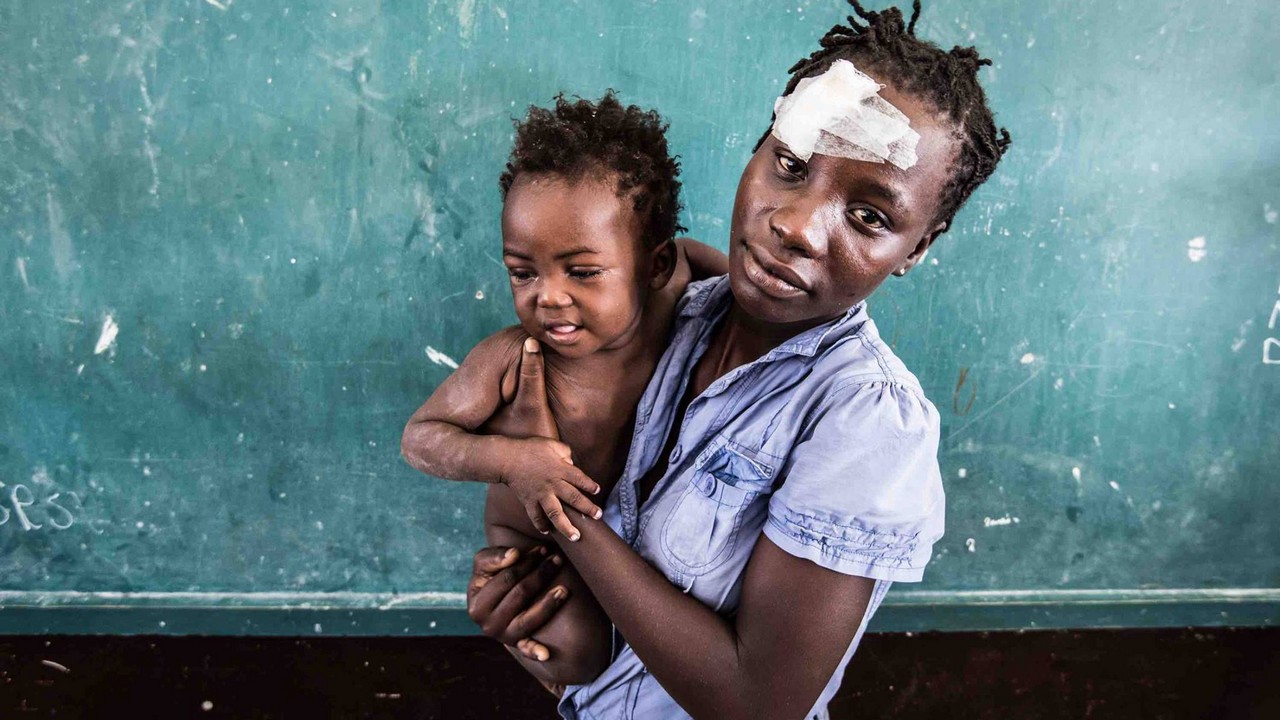
Massive needs in Haiti but lack of funds for hurricane victims 27/10/16
Three weeks after Hurricane Matthew hit the southwest and northwest of Haiti on 4th October, 1.4 million Haitians still need humanitarian aid. To help the most vulnerable people, Handicap International has deployed a team of nine emergency specialists to areas affected by the hurricane.
- Haiti
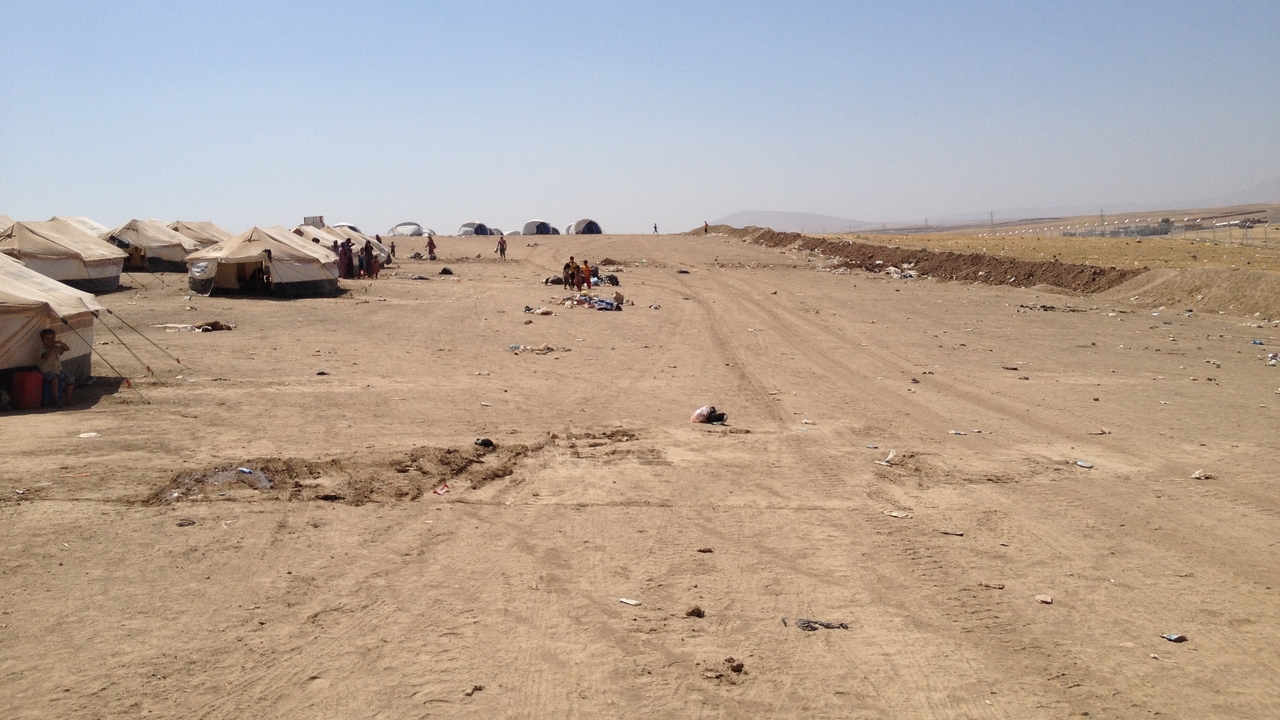
Mosul: More than 15,000 people already displaced 27/10/16
More than 15,000 people have been displaced since military operations to retake the city of Mosul in Iraq began on 17th October 2016. Handicap International is preparing to supply them with aid and fears mass displacements are likely to occur within weeks.
- Iraq
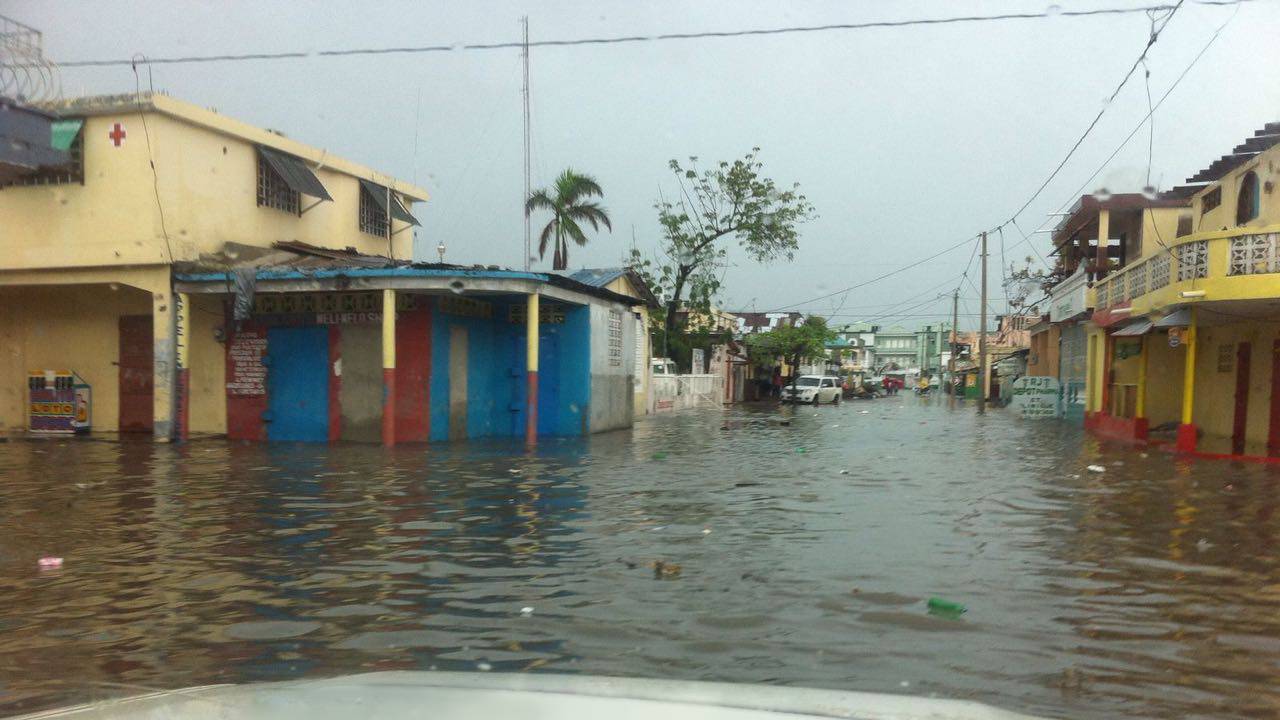
Haiti: New flooding hits hurricane-affected communities 24/10/16
Haiti is facing its most serious humanitarian emergency since the earthquake of 2010, after Hurricane Matthew made landfall on 4th October 2016. Another torrential rain storm swept through the department of Sud during the night of 20th to 21st October, causing disastrous flooding and heightening the vulnerability of affected communities. Handicap International is providing humanitarian response to victims of the disaster.
- Haiti
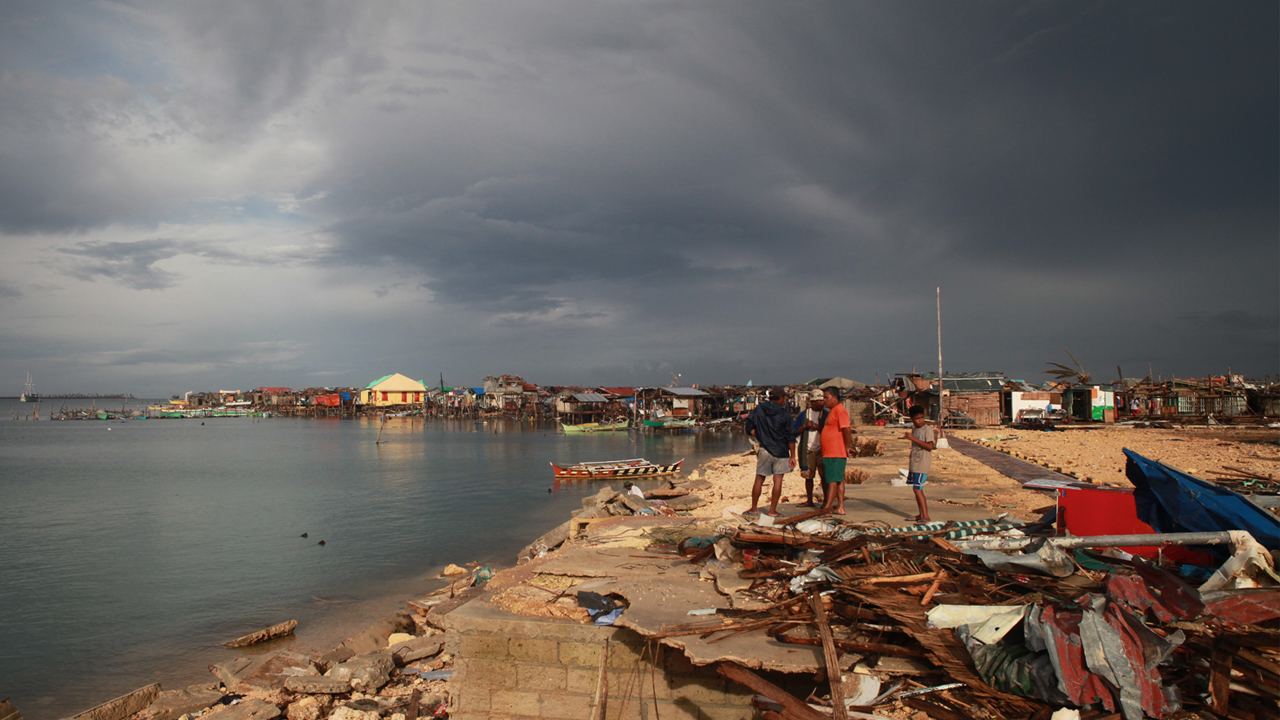
Typhoon Haima in the Philippines: Handicap International assessing the needs of those affected 21/10/16
Typhoon Haima, the most powerful storm to hit the Philippines in three years, made landfall in the north of the country on Wednesday 19 October, displacing more than 90,000 people from their homes. Handicap International is travelling to the affected areas to assess the needs of local communities.
- Philippines
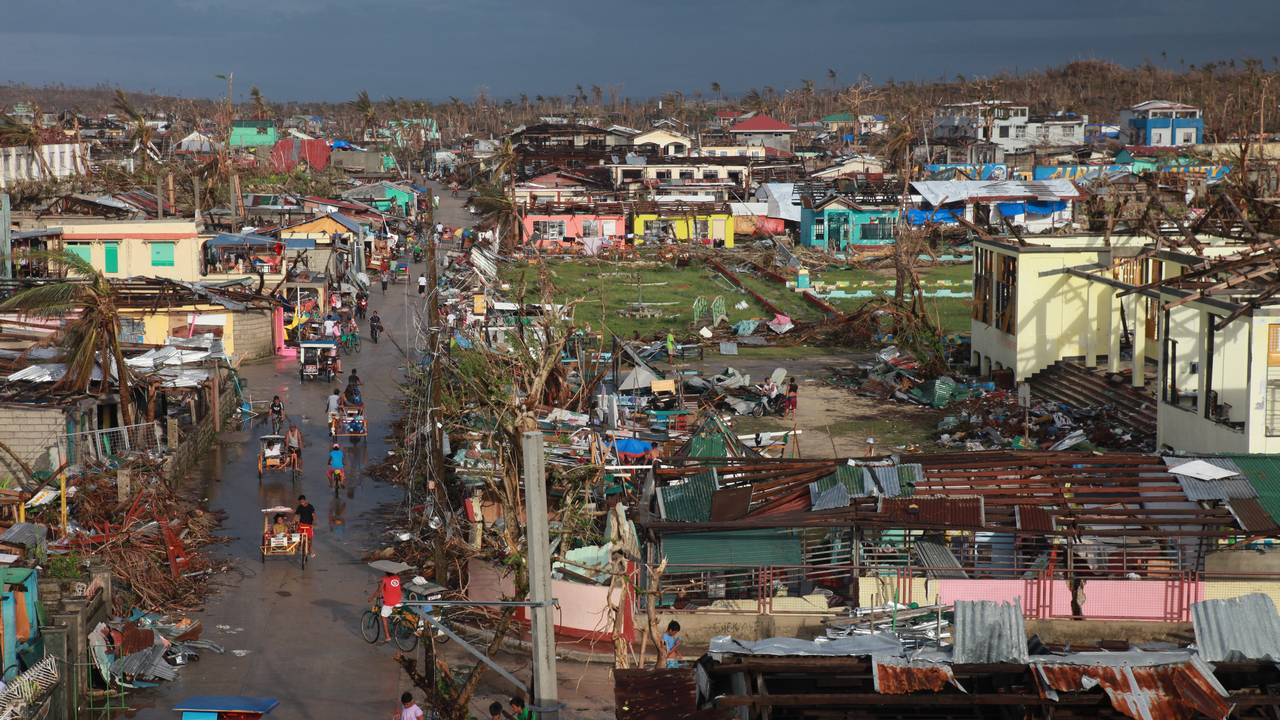
Typhoon Haima hits the Philippines: Handicap International on alert 19/10/16
When Typhoon Haima makes landfall on the island of Luzon in the northern Philippines on Wednesday 19th October, thousands of people could be affected. Handicap International staff, already in the country, are on alert and preparing to assess the impact of the damage caused by the disaster.
- Philippines
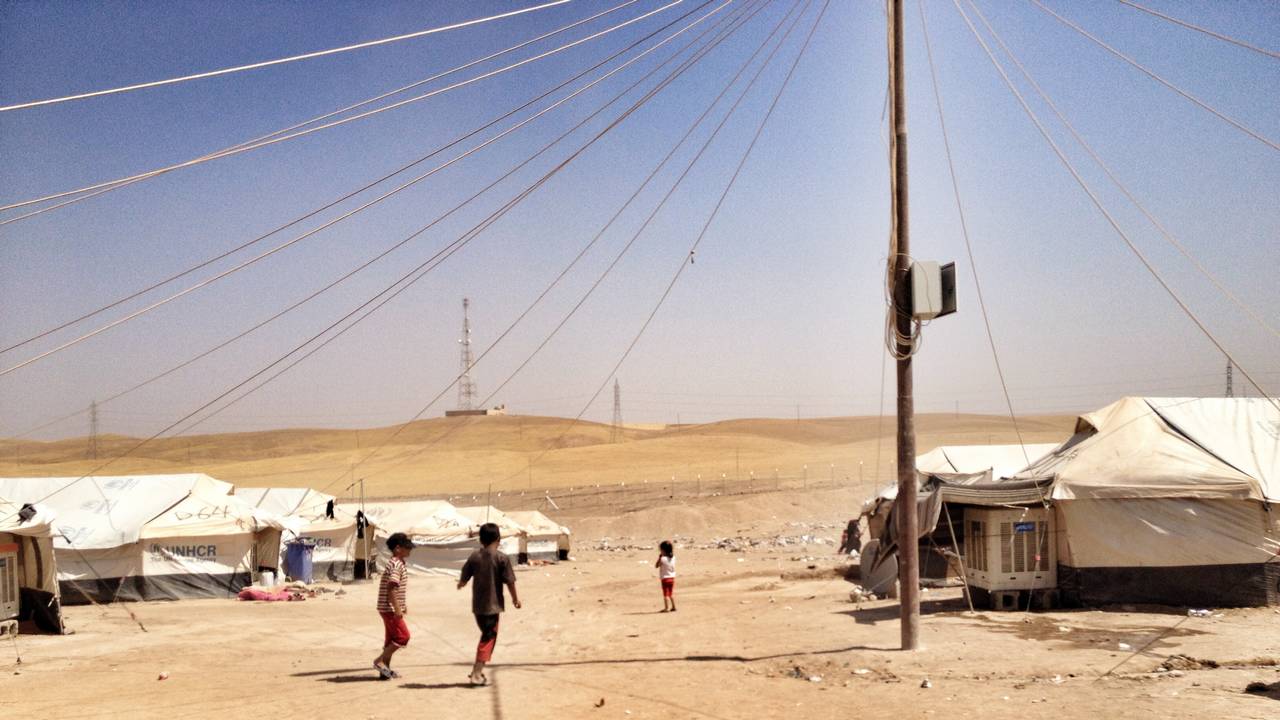
Mosul offensive raises fears of a major humanitarian crisis 18/10/16
There are fears that the military offensive on the Iraqi city of Mosul could result in a humanitarian crisis on an unprecedented scale. More than one million people may be forced to flee to escape the fighting, in a country where at least 3.3 million people have already been uprooted. Handicap International is concerned that the people fleeing Mosul will not all be able to access humanitarian aid. Thomas Hugonnier, head of emergency response operations in Iraq, explains the situation.
- Iraq
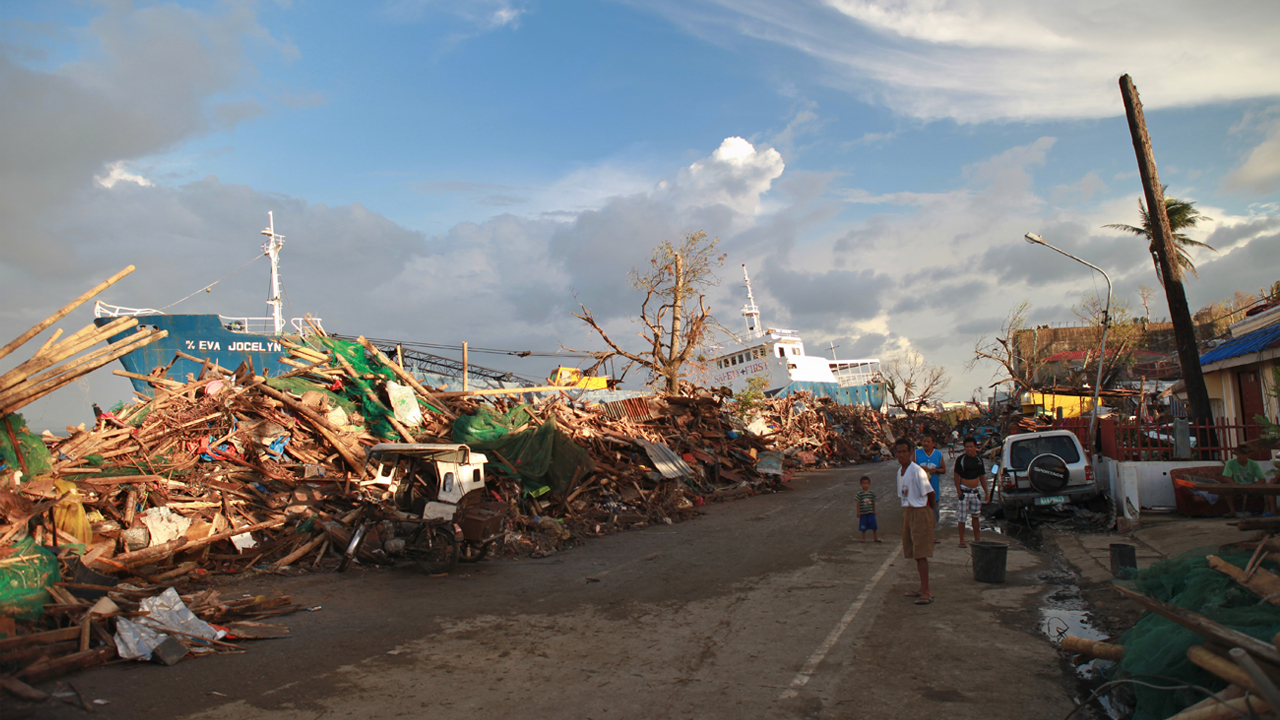
The Philippines threatened by typhoon Haima 18/10/16
Typhoon Haima is forecast to hit the Philippines on Wednesday 19th to Thursday 20th October, affecting thousands of people. Handicap International's teams are preparing to cope with the potential disaster.
- Philippines
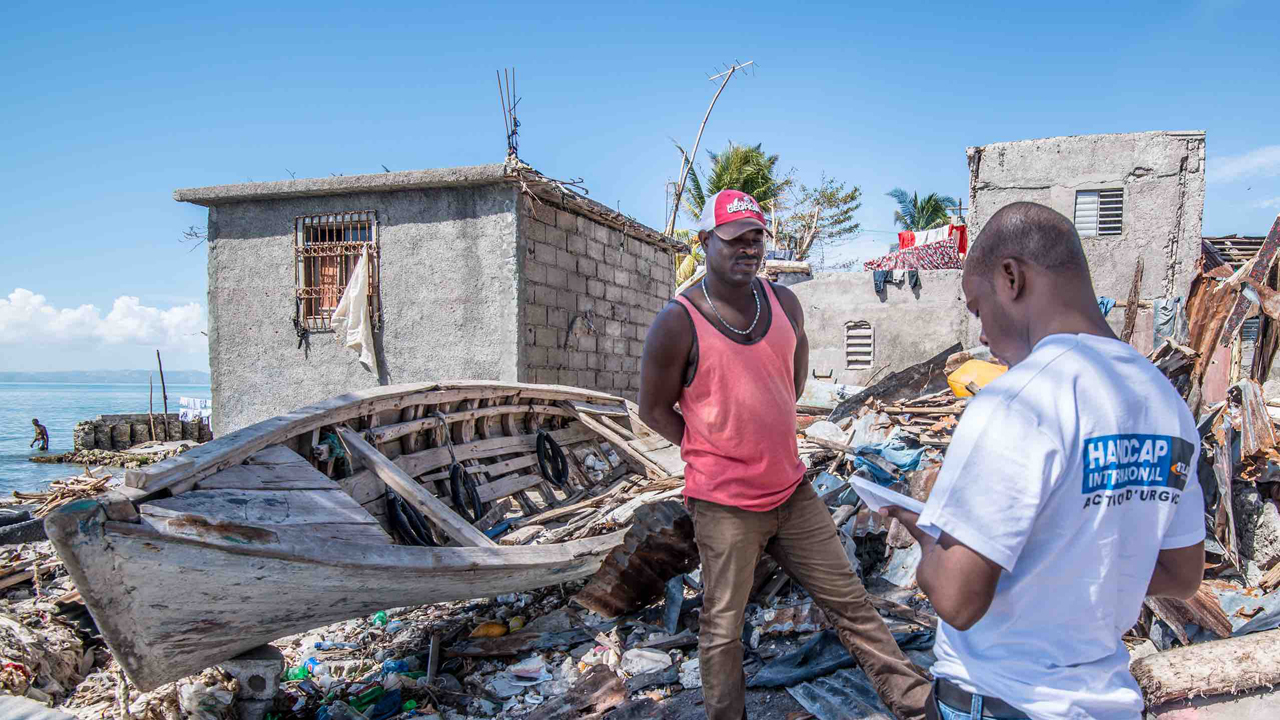
Haiti: Handicap International mobile teams are treating injured people 17/10/16
Hurricane Matthew, which struck Haiti on 4th October, has caused the biggest humanitarian crisis since the 2010 earthquake. In the Les Cayes region alone, more than 3,000 casualties have been recorded, while the hospitals are struggling with extremely limited resources. Handicap International is starting its operation to provide rehabilitation care to the injured. In addition, the distribution of more than 1,000 kits enabling emergency repairs to be made to people’s homes is about to get underway.
- Haiti
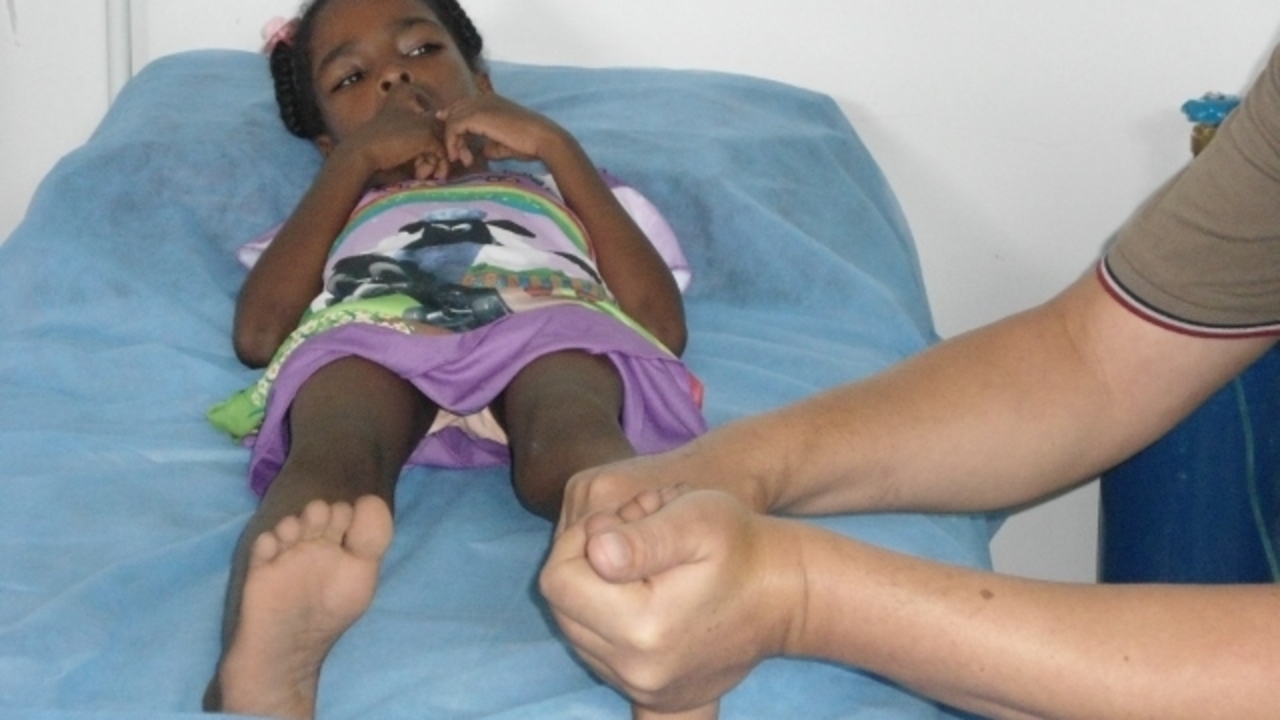
Libya: Supporting children marked by war 17/10/16
Handicap International has been running operations in Libya since 2011. The organisation is now focused on helping children in Tripoli. Every day our mobile team reaches out to children with rehabilitation needs. And an awareness-raising campaign about psychosocial risks and the inclusion of children with disabilities will benefit more than 3,000 people.
- Libya (no longer active)
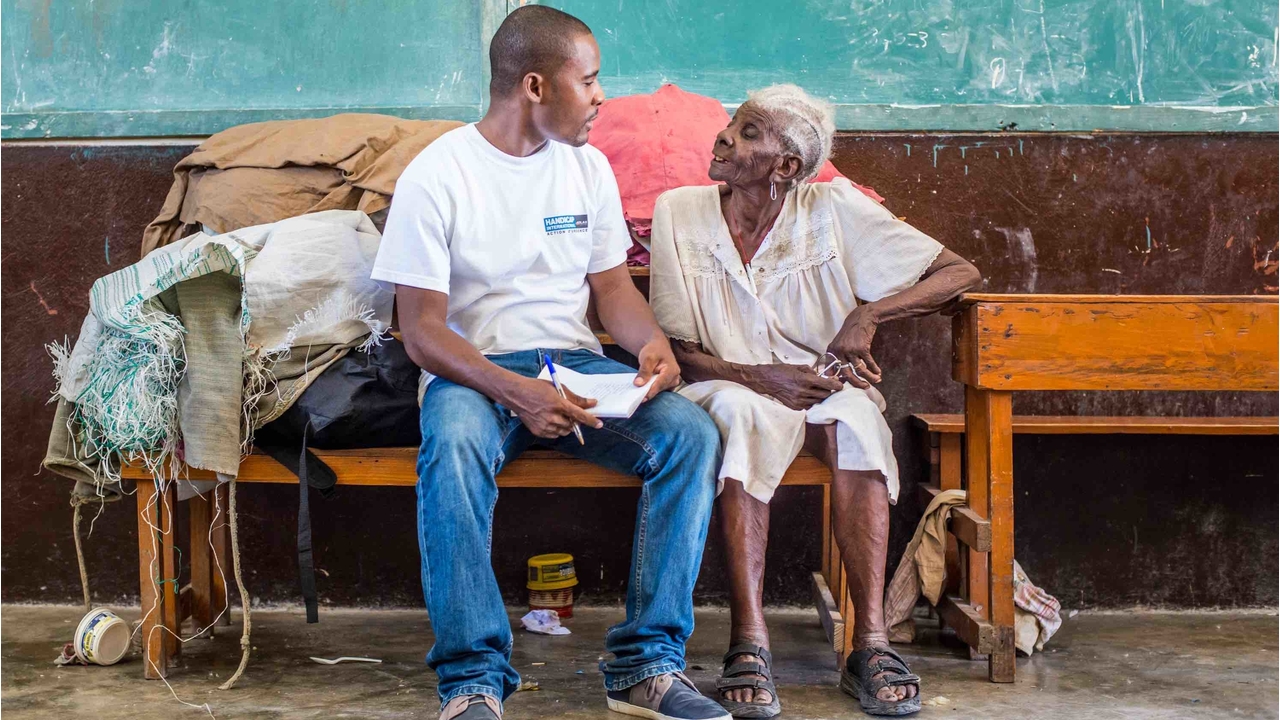
Les Cayes: stranded by Hurricane Matthew in Philippe Guerrier secondary school 14/10/16
Following the passage of Hurricane Matthew, 180,000 people in Haiti have been forced to seek refuge in temporary shelters. They are now starting the long wait to be rehoused. In the biggest city in southwest Haiti, Les Cayes, dozens of displaced families have transformed the classrooms of Philippe Guerrier secondary school into makeshift dormitories. We spoke to them about their experiences.
- Haiti
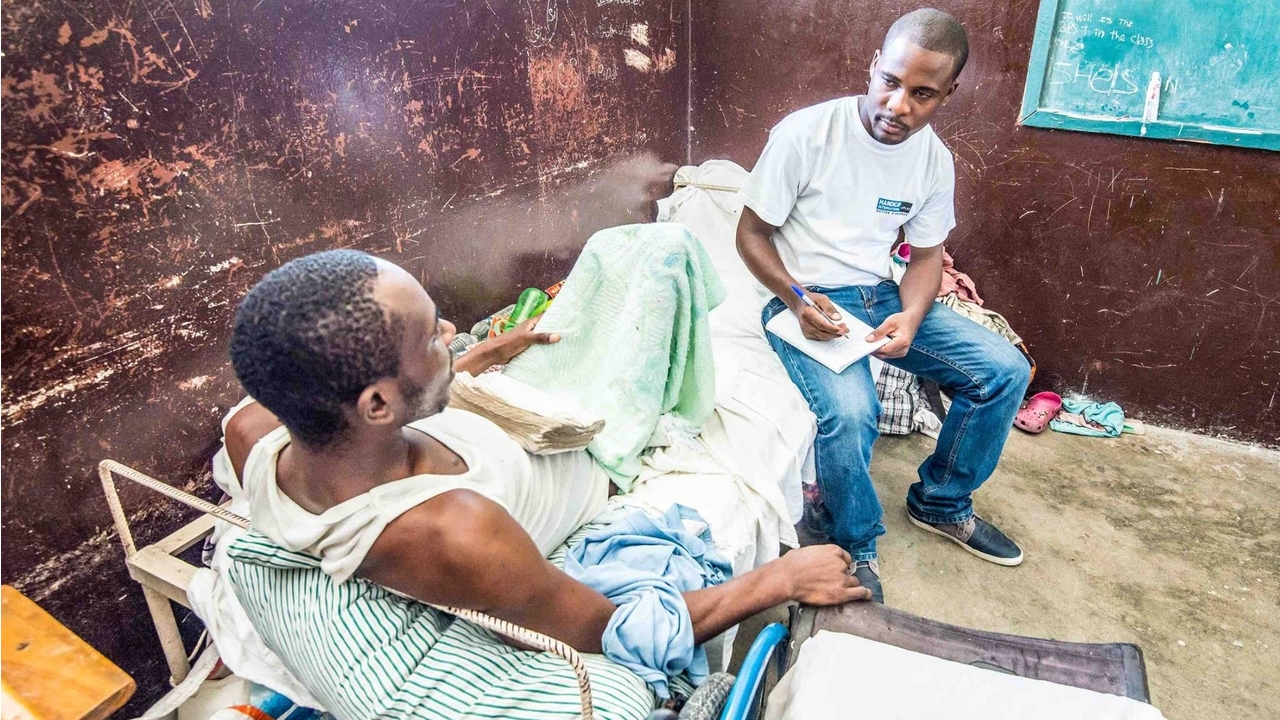
Hurricane Matthew: affected population faces growing hardship 14/10/16
More than a week after Haiti was hit by Hurricane Matthew, the misery of its victims continues to deepen. The worst hit areas remain difficult to access and food insecurity is growing by the day. Handicap International has expanded its emergency teams to aid the most isolated vulnerable people.
- Haiti
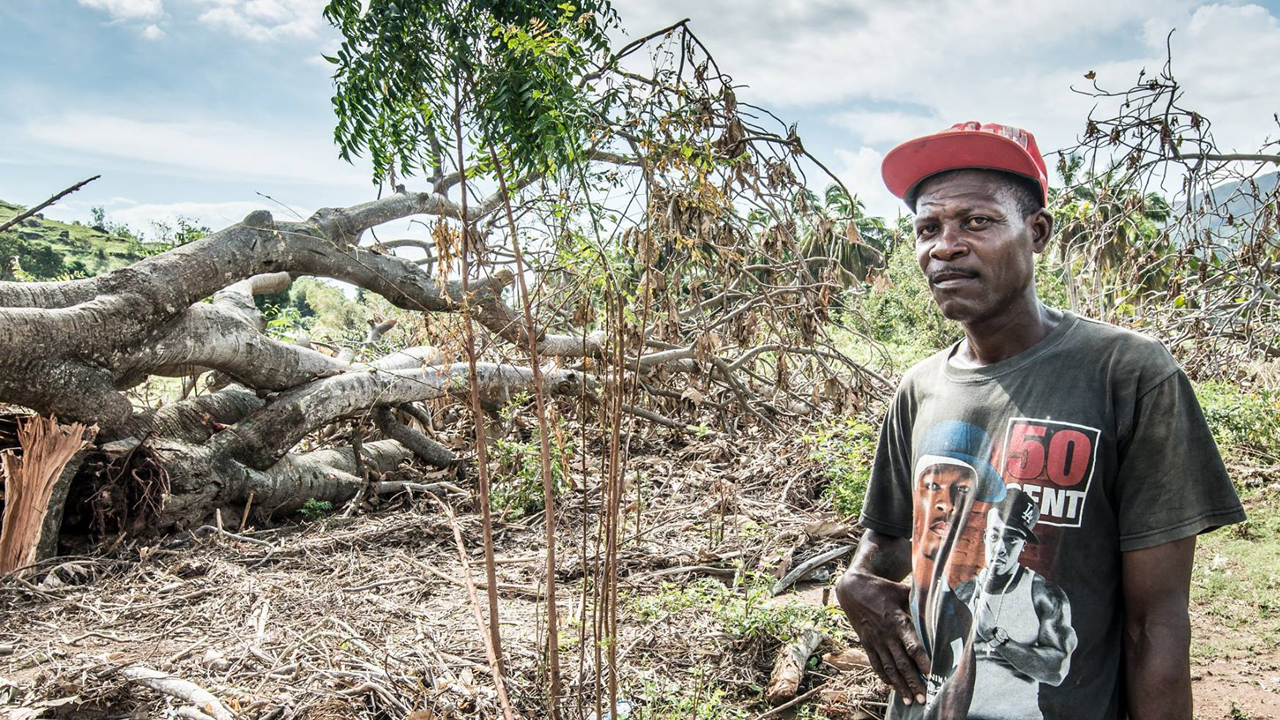
Haiti: Handicap International sets up sea route for aid distributions 12/10/16
As Handicap International’s emergency teams travel to the areas worst affected by Hurricane Matthew to supply aid to victims, an air cargo of humanitarian equipment is scheduled to land in Port-au-Prince on the evening of Wednesday 13th October. With access to the southwest of the country still unreliable a week after the disaster, Handicap International is organising the transport of aid by sea.
- Haiti