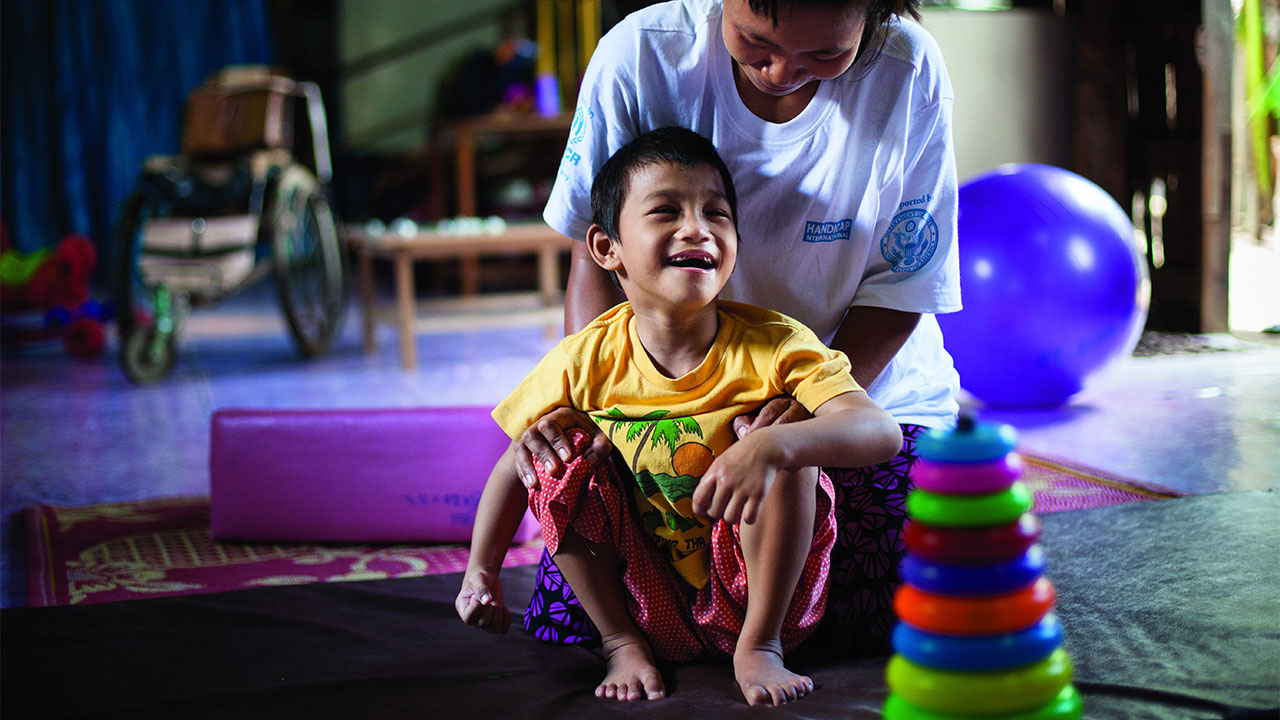
Every child has the right to play, wherever they live in the world 07/12/16
Aleema Shivji, Director of Handicap International UK, blogs about a new campaign with IKEA Fuundation to create inclusive playgrounds where vulnerable refugee children can feel safe to play and learn.
- Thailand
- Bangladesh
- Pakistan
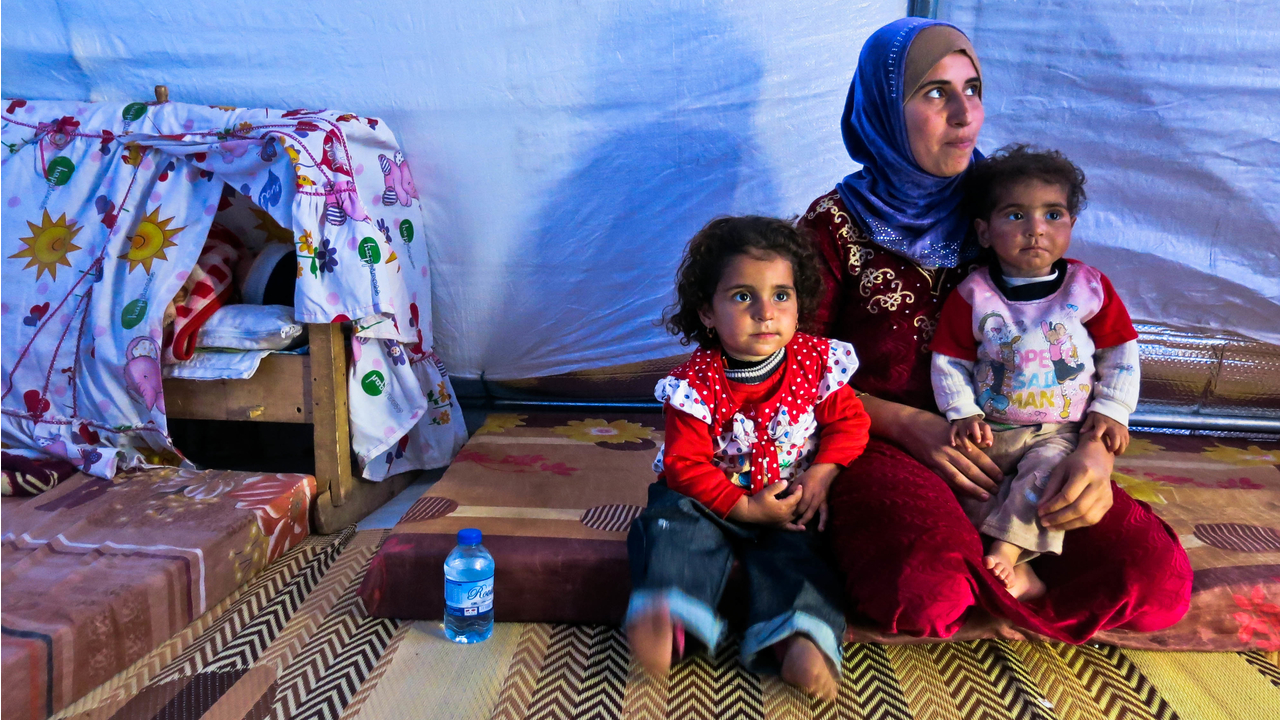
Hana, Iraq: “I’m scared for my daughter 06/12/16
Nearly one month ago, Sinat’s family arrived in Khazer camp, where some 30,000 people who have fled Mosul and its surroundings now live. Sinat has cerebral palsy and her parents are worried about her health. She was recently visited by one of Handicap International’s teams, who immediately began providing her with physiotherapy care.
- Iraq
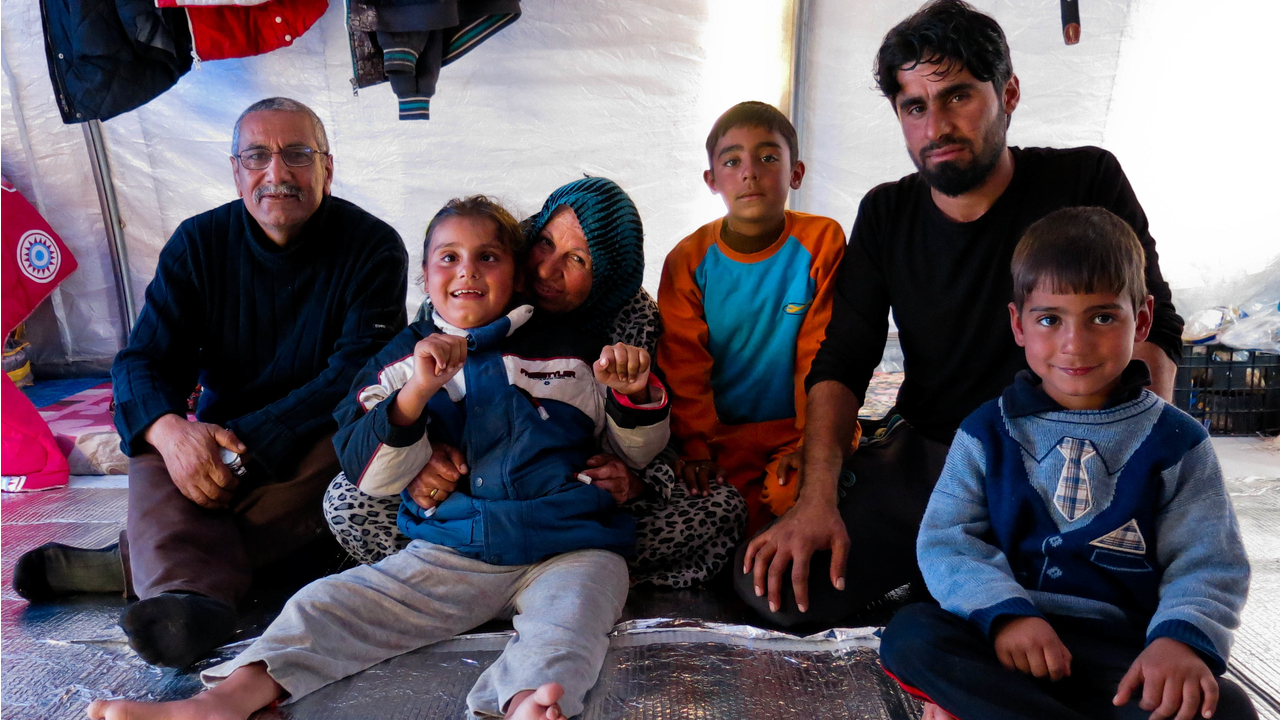
Tiba, Iraq: “I’d like to go to school” 06/12/16
Two weeks ago, Tiba fled the city of Mosul with her family and took refuge in Khazer camp for displaced people, not too far from the front lines. To make her life easier and to help her move around, Handicap International will shortly provide her with mobility aids.
- Iraq
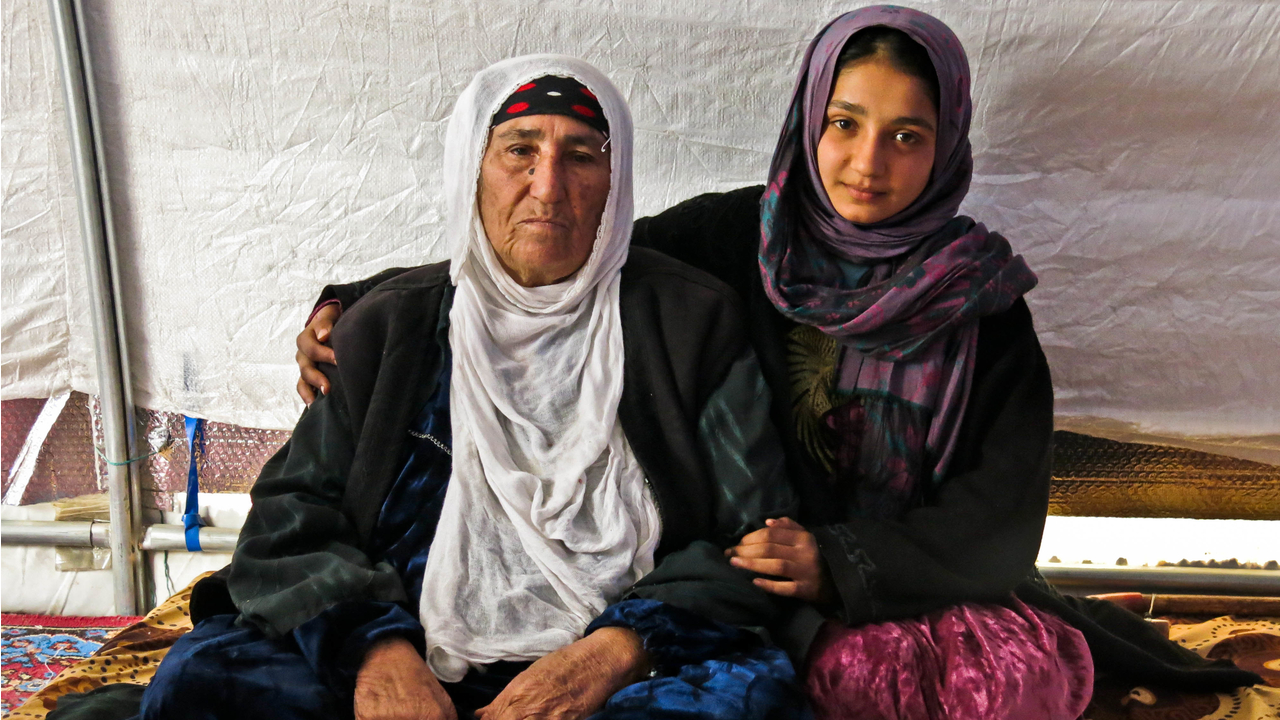
Reema, Iraq: “I dream of returning home” 05/12/16
Reema is 72. She is from Gogjali, a village located near the city of Mosul. Three weeks ago, she fled the fighting and arrived in Khazer camp for displaced people, with her family. Suffering from several illnesses, she only survives with their help. Handicap International’s emergency team paid her a visit.
- Iraq
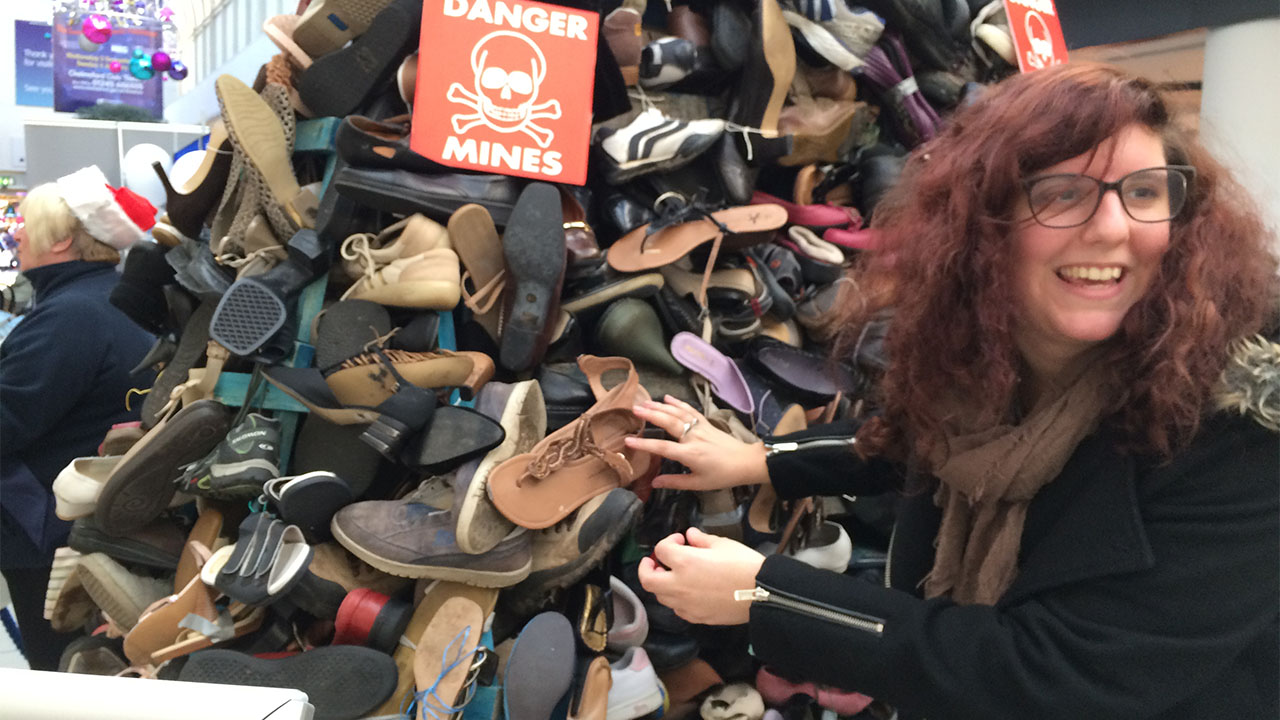
Campaigners and school students say Stop Bombing Civilians 02/12/16
The UK's biggest grassroots campaign in support of the forgotten victims of conflict has begun. Now in its eighth year, the Forgotten 10 Challenge will see campaigners and school students holding events between 1st and 10th December to raise awareness and funds for people and communities affected by conflict in countries like Syria and Afghanistan.
- United Kingdom
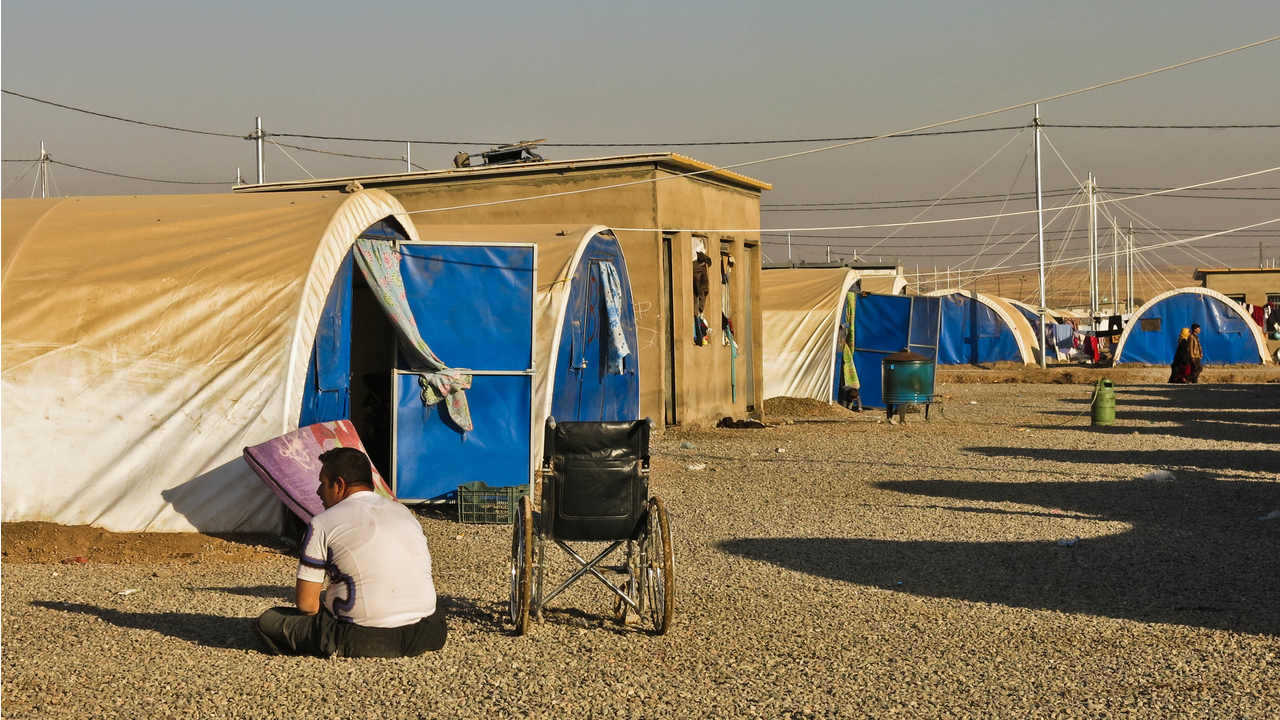
Mosul: Handicap International launches emergency response 30/11/16
Over the last six weeks, more than 75,000 people have fled the fighting in Mosul and its surrounding area. Handicap International has deployed a dozen field mobile teams to assist people displaced by the conflict. The organisation is providing rehabilitation care and psychosocial support in the main displacement areas.
- Iraq
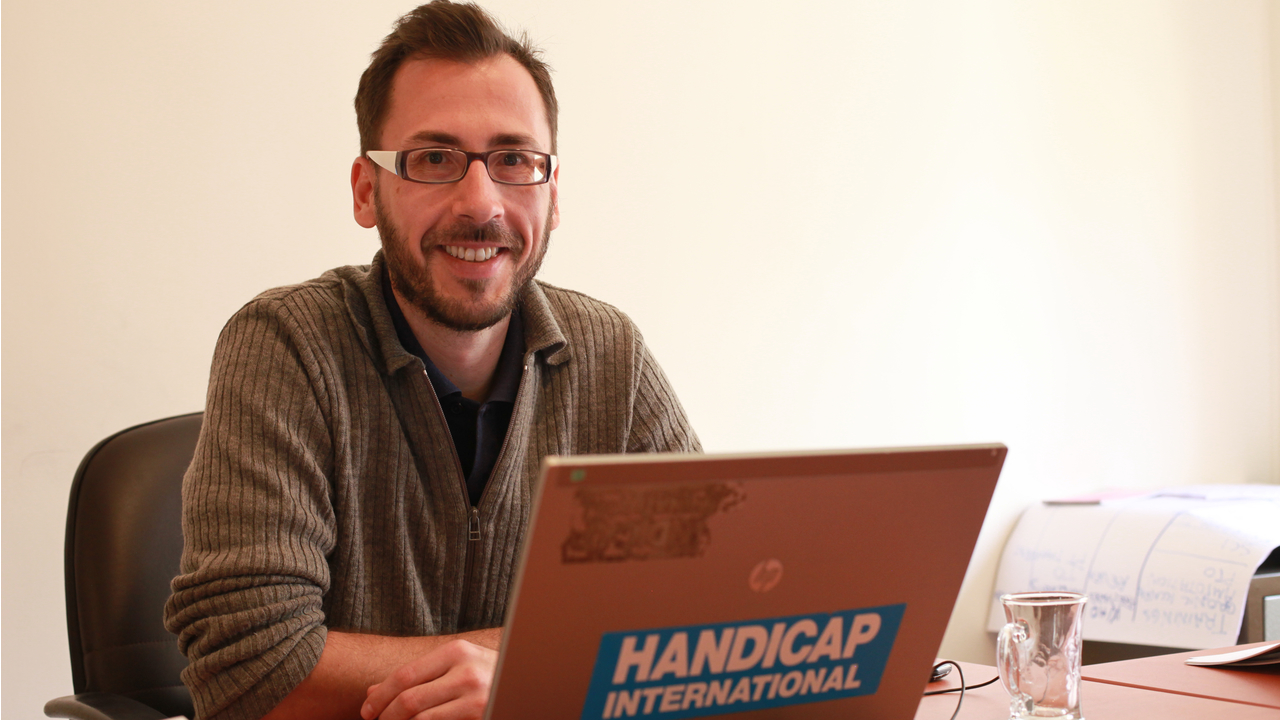
New guidance to better include people with disabilities in emergency aid 29/11/16
In two years' time, NGOs, Disabled People's Organisations and States will have a practical guide on how to improve the inclusion of people with disabilities in humanitarian aid. Handicap International, along with two partners, has been tasked by the Inter-Agency Standing Committee (IASC) with undertaking this project. Ricardo Pla Cordero, the Technical Advisor on Inclusion in Humanitarian Action at Handicap International, explains why this is so important.
Achieving equal rights for people with disabilities: The CRPD 10 years on 29/11/16
The Convention on the Rights of Persons with Disabilities is celebrating its ten-year anniversary. Priscille Geiser, Head of the Support for Civil Society unit at Handicap International, looks back at the history of the Convention, why it came into being, and the progress it has instigated for people with disabilities.
Haiti: 54 tonnes of humanitarian aid transported 25/11/16
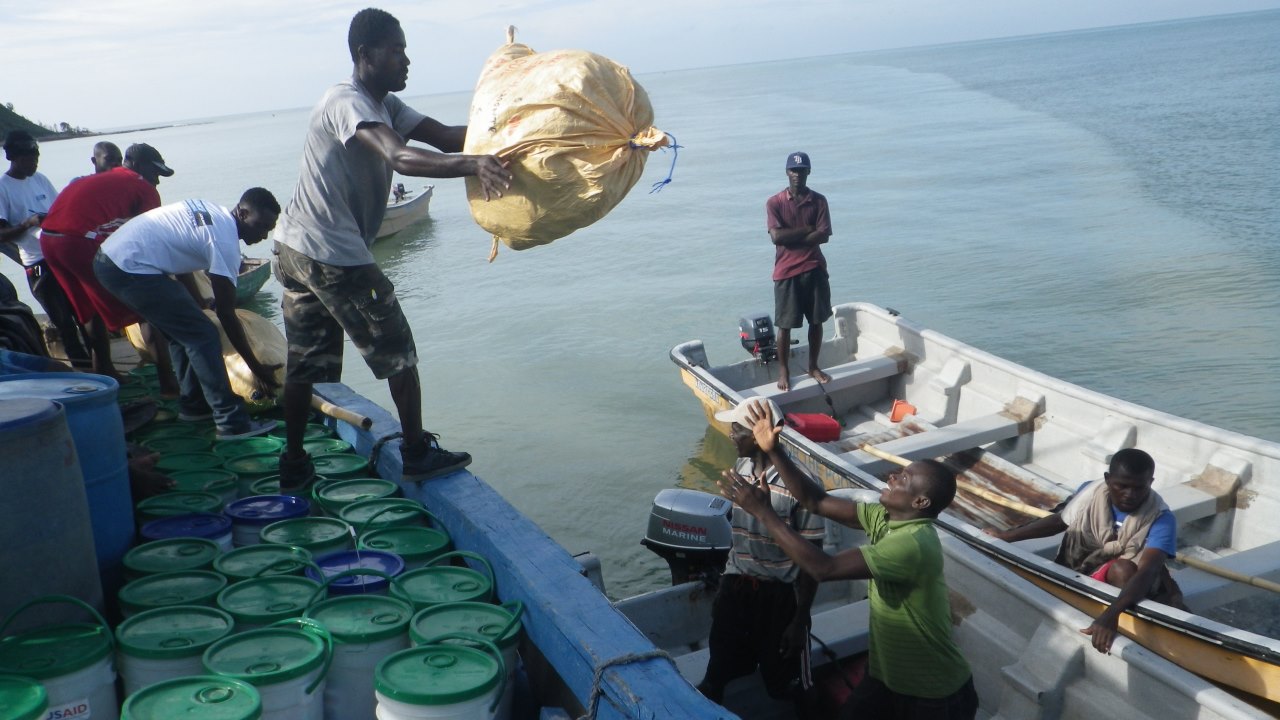
More than one month after Hurricane Matthew struck Haiti on 4th October 2016, 1.4 million people still need immediate humanitarian aid. Handicap International is continuing its emergency response and the organisation’s logistics platform is transporting humanitarian aid by road and sea.
- Haiti
A political declaration against the bombing of civilians 24/11/16
Handicap International is taking part in the conference of States Parties to the Ottawa Mine Ban Treaty, due to be held in Chile from 28th November to 1st December 2016. Anne Héry, Director of Advocacy at Handicap International, reflects on the importance of this meeting which should enable us once again to alert governments to the rising number of casualties.
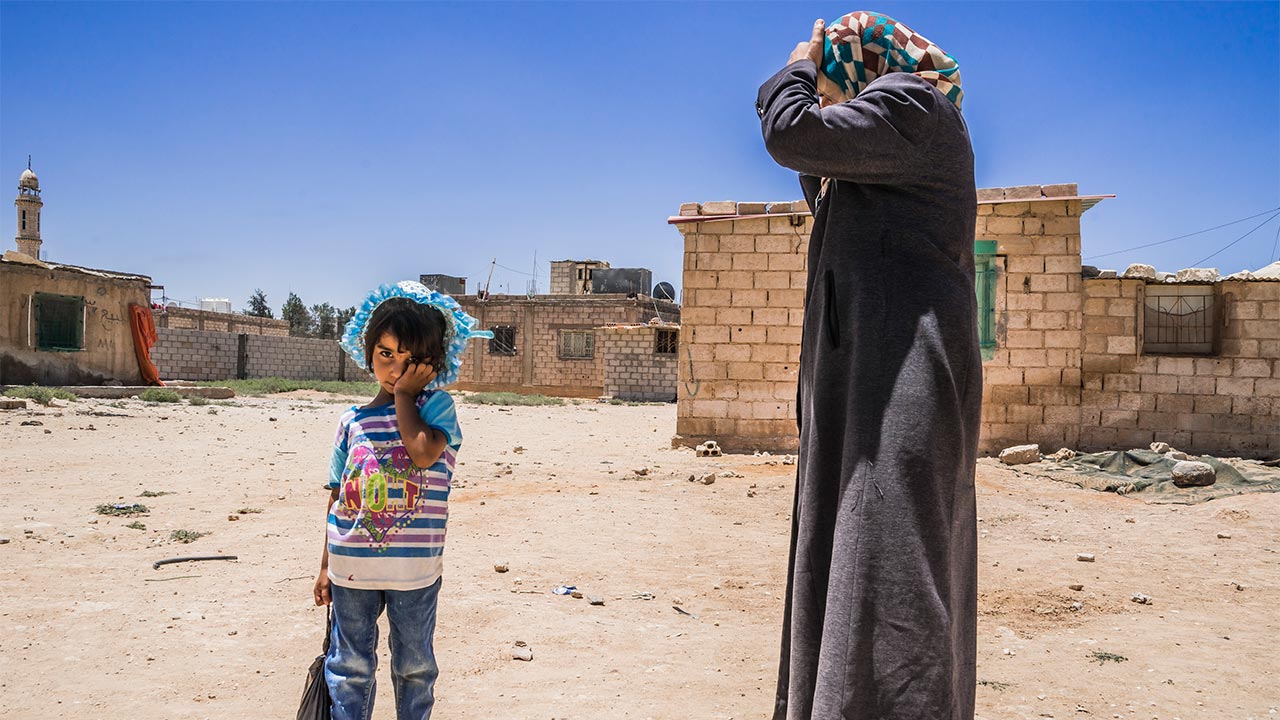
There Is No Safe Place In Syria 24/11/16
Aleema Shivji, Director of Handicap International UK, blogs on the horrific situation facing Syrian civilians.
- United Kingdom
- Syria
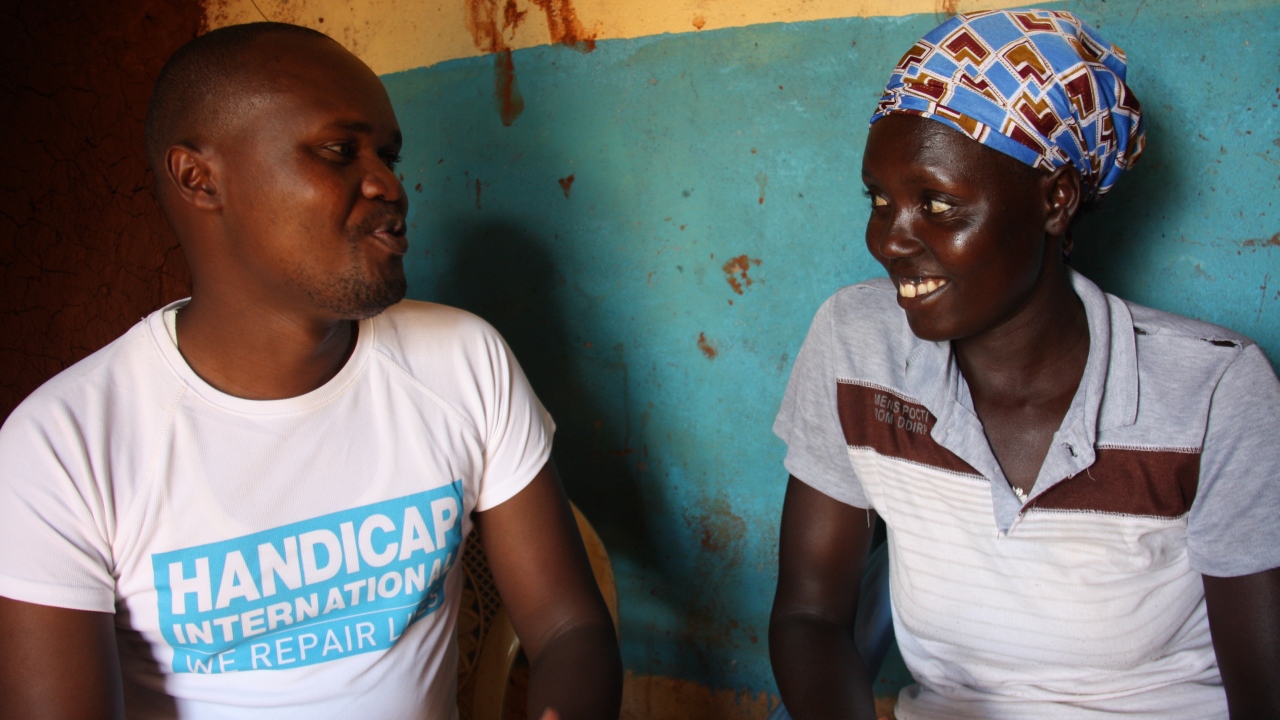
“I want women to know they have rights!” 24/11/16
Christine, 32, lives in West Pokot County, Kenya. A witness of the armed violence that has torn her region apart, she’s now one of Handicap International’s community peace representatives. Every day, she raises awareness in communities and helps women learn more about their rights.
- Kenya
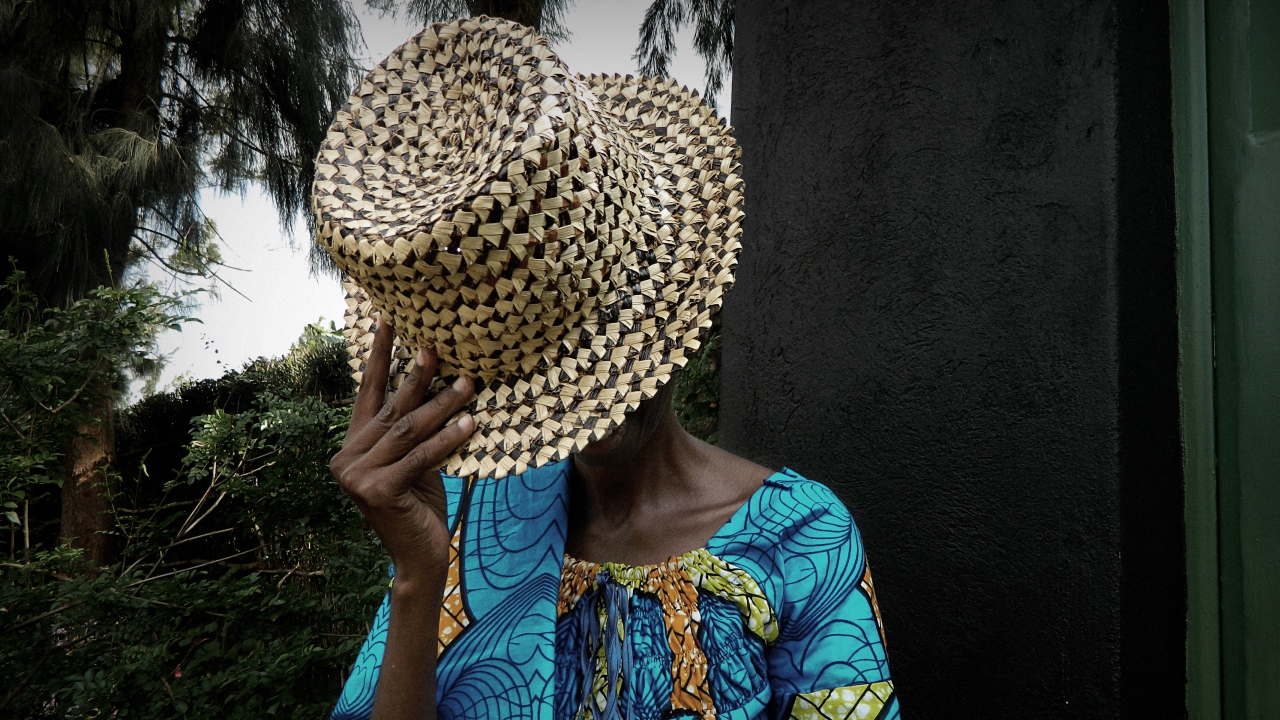
One in three women will experience violence in their lifetimes 24/11/16
On 25th November, International Day for the Elimination of Violence against Women, Handicap International is drawing attention to the fact that more than one in three women will experience violence in their lifetimes. Women with disabilities are at even greater risk. For 25 years, the organisation has worked in many countries to prevent such acts of violence and to provide medical and psychological assistance to victims.
- Burundi
- Rwanda
- Mali
- Kenya
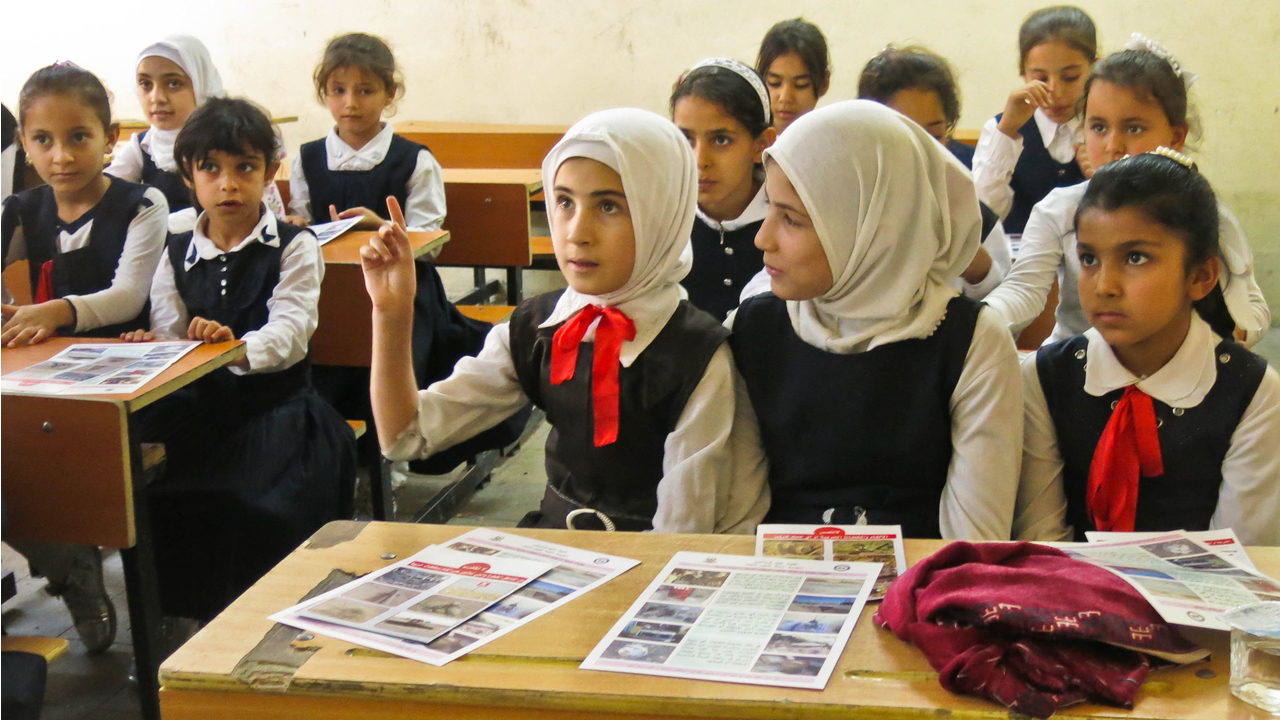
Iraq: Displaced children in Kirkuk learn about the risks from explosive weapons 22/11/16
For over a year, Handicap International’s teams have been providing displaced children in Iraqi schools with information on the risk of landmines and other explosive weapons. More than 100,000 people have taken part in these activities since the launch of the organisation’s emergency response in Iraq.
- Iraq