
Madagascar: Over 52,000 people affected by Cyclone Enawo 10/03/17
Cyclone Enawo has passed through Madagascar and will end its course in the Anosy region (south-east). The authorities have reported severe damage caused not only by the cyclone itself but by the subsequent flooding it has caused. The national office of risk and disaster management is reporting 10,000 displaced persons and 52,000 people affected. Handicap International's teams have started to assess the population's needs.
- Madagascar
Danger does not disappear when the fighting ends 08/03/17
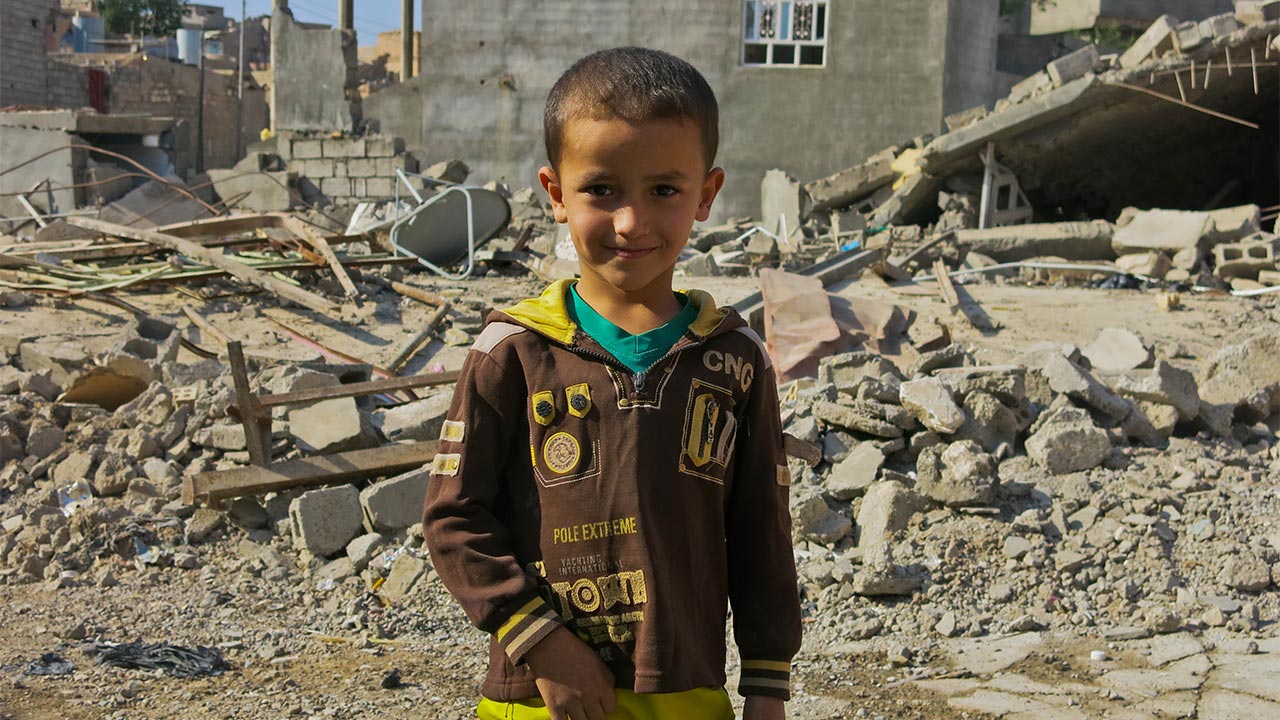
Aleema Shivji, Executive Director of Handicap International UK, describes the shocking legacy of explosive weapons contamination facing civilians in Iraq.
- United Kingdom
- Iraq
Madagascar: We are very concerned about people in the north-east of the country 08/03/17
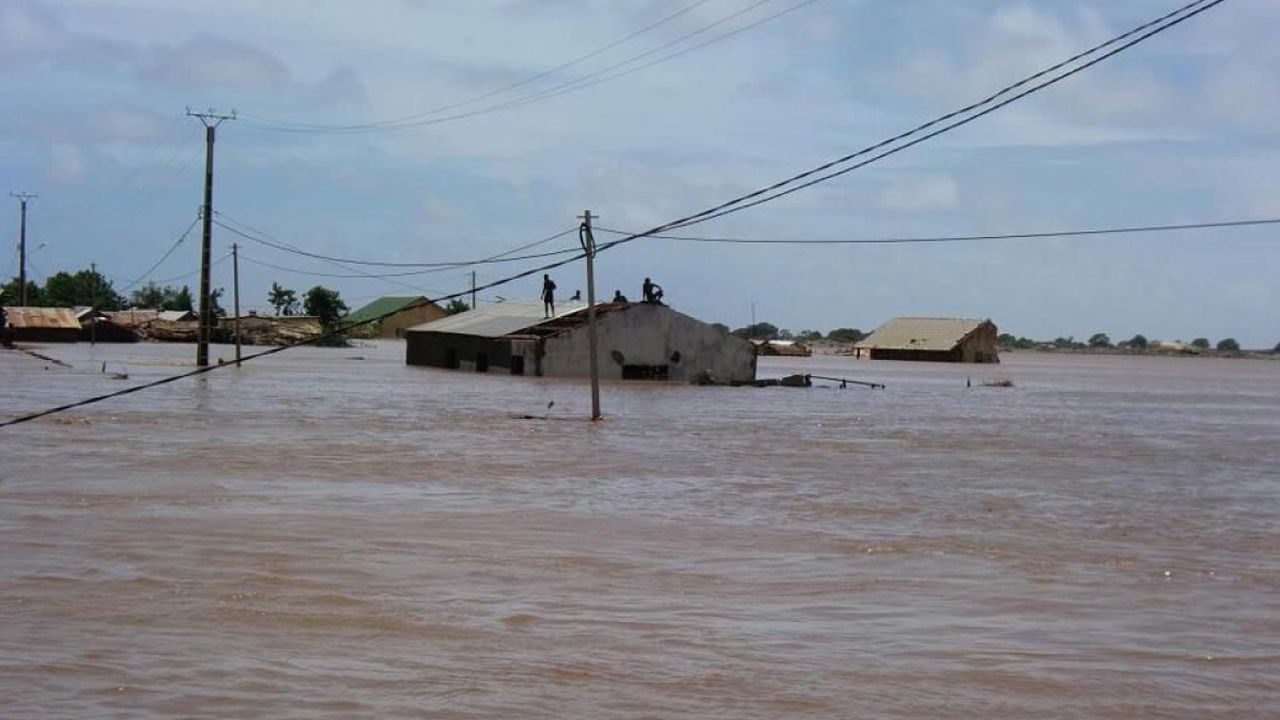
Cyclone Enawo reached Madagascar on the evening of Tuesday 7th March, sweeping through the country. The scale of the damage caused is still unknown. It is feared that in the north-east regions, hit overnight, there may be significant destruction. Nearly 600,000 people have faced violent winds (over 120 km/h), which have battered their homes and their crops. Handicap international’s teams, already present in certain areas, will head to the most severely affected parts of the country as soon as conditions allow.
- Madagascar

Cyclone Enawo makes landfall in Madagascar 07/03/17
Cyclone Enawo, which made landfall on the north-eastern coast of Madagascar on Tuesday 7th March 2017, could affect 2 million people, according to the Global Disaster Alert and Coordination System. Handicap International’s teams already present in the country have been mobilised and are preparing to launch an emergency response based on the needs.
- Madagascar
Tens of thousands on brink of famine in South Sudan 06/03/17
Famine was declared in several regions of South Sudan in February 2017: 4.5 million people, half of the country’s population, are surviving on what they can find or facing starvation. Xavier Duvauchelle, head of the Eastern and Southern Africa Desk at Handicap International, explains more.
- South Sudan
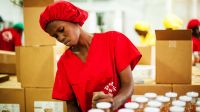
Celebrating women with disabilities 02/03/17
On 8th March each year, Handicap International celebrates International Women’s Day. The day is an opportunity for us to recognise the exceptional achievements of ordinary women around the world.
- Senegal
Haiti: The impact of our emergency response, four months on from Hurricane Matthew 01/03/17
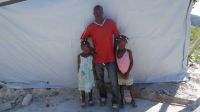
Four months after Hurricane Matthew hit Haiti, many people still need humanitarian aid. Handicap International has distributed emergency kits and household items to one thousand homes, benefiting more than 4,700 people affected by the disaster. The organisation has also transported more than 270 tonnes of humanitarian equipment to people living in remote areas.
- Haiti
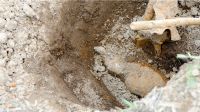
What are cluster bombs? 01/03/17
Although cluster bombs have been banned under the Convention on Cluster Munitions since 2010, they have been used on multiple occasions over the last two years in conflicts in Syria, Yemen, Ukraine, Libya and Sudan. Cluster bombs have killed and maimed thousands of civilians, who are overwhelmingly the main victims. But what exactly are these weapons?
Urgent need for rehabilitation services in Yemen 21/02/17
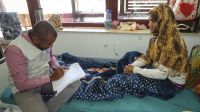
After two years of war, violence is part of daily life in Yemen. Handicap International is therefore providing support to rehabilitation departments in three health centres in Sana’a, where it has already assisted more than 4,500 people since August 2015.
- Yemen
The UK must leave no disabled child behind 15/02/17
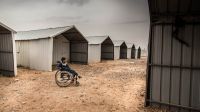
Aleema Shivji, Executive Director of Handicap International UK, blogs on the recent UK Home Office decision to suspend the entry of disabled child refugees through the Vulnerable Children’s Resettlement Scheme.
- United Kingdom
Supporting families to engage in early child development 15/02/17
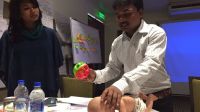
In February 2017, Handicap International staff members from Bangladesh, Thailand and Pakistan gathered for a training on early child development, and how to foster the well-being of children in the early years. The training is an important part of the Growing Together project that supports vulnerable children in displacements settings through play.
- Bangladesh
Launch of weapons clearance operations in Iraq 14/02/17
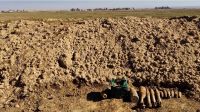
In January 2017, Handicap International launched weapons clearance operations in the governorates of Kirkuk and Diyala in Iraq. In one month, the organisation has already destroyed more than 1,000 explosive remnants of war in sectors seriously affected by fighting.
- Iraq
Mine action: an essential component of humanitarian action 14/02/17
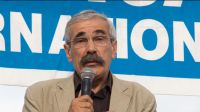
Jean-Baptiste Richardier, co-founder of Handicap International, was present at the 20th International Meeting of Mine Action National Programme Directors and United Nations Advisors, which ended on 10th February 2017. Here, he explains why Handicap International is committed to humanitarian mine action.
Ukraine must not be forgotten 13/02/17
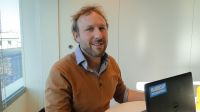
At the end of January, Arnaud Pont, who oversees Handicap International's projects in Ukraine, attended The Human Face of the Eastern Conflict conference in Brussels , which aims to address the humanitarian needs resulting from the conflict. Arnaud gives an update on this forgotten crisis.
- Ukraine